Lighting a Path to Affordability
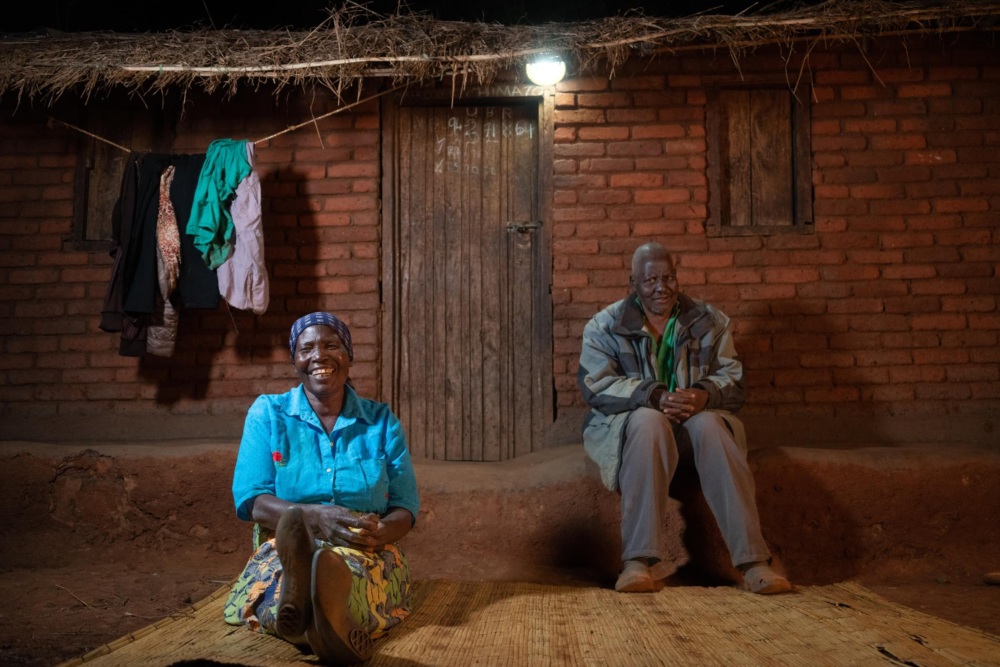
Across sub‑Saharan Africa, 565 million people still live without electricity, and progress towards universal access has stalled. Affordability remains one of the biggest barriers: most unelectrified households cannot pay the upfront cost of a solar home system, even with existing financing models.
To better understand potential solutions better, Energy Saving Trust, co-Secretariat of Efficiency for Access commissioned two complementary pieces of research exploring the viability of Energy as a Service (EaaS), a model designed to reduce upfront costs, match payments to household ability to pay, and guarantee long-term service. Greencroft Economics delivered the project.
The first report presents a mid-term review of SolarAid’s Light a Village (LaV) pilot in Malawi, which implemented EaaS for first-time energy access at community scale. The second investigates the broader international potential of EaaS as a route to affordable household electrification across the region, where progress to date has been slowest.
Together, these reports offer an evidence base on how EaaS can support inclusive, sustainable electrification in low-income and hard‑to‑reach communities.
Lighting a Path to Affordability: Assessing the International Potential of Energy as a Service
This research was commissioned under the Low Energy Inclusive Appliances (LEIA) programme to assess where and how EaaS could provide a viable pathway to affordable, first‑time electricity access across Sub‑Saharan Africa.
Drawing on expert interviews, case studies and financial modelling, it outlines where EaaS is most viable, what it costs, and the enabling conditions required for scale. The report demonstrates how EaaS can address affordability barriers, strengthen system durability and create new financing pathways, offering a strategic roadmap for governments, donors and private sector actors working toward universal energy access.
Lighting a Path to Affordability: Mid‑Term Review of SolarAid’s EaaS Pilot in Malawi
This research was commissioned under the Low Energy Inclusive Appliances (LEIA) programme to independently evaluate SolarAid’s Light a Village (LaV) pilot, which implemented an Energy as a Service (EaaS) approach to deliver first‑time electricity access in rural Malawi.
The research assesses how the model was deployed across Kasakula, Malawi, where SolarAid connected 8,813 households to basic electricity access. It examines affordability, usage patterns, system performance and operational costs, offering practical insights for governments, donors and programme implementers seeking alternatives to traditional ownership-based models.
You can download the report here.