Announcing the Second Efficiency for Access Design Challenge Accelerator Programme Cohort
Our Challenge-adjacent Accelerator Programme, delivered in collaboration with Energy Catalyst, has welcomed its second round of cohorts and finalised their support programmes.
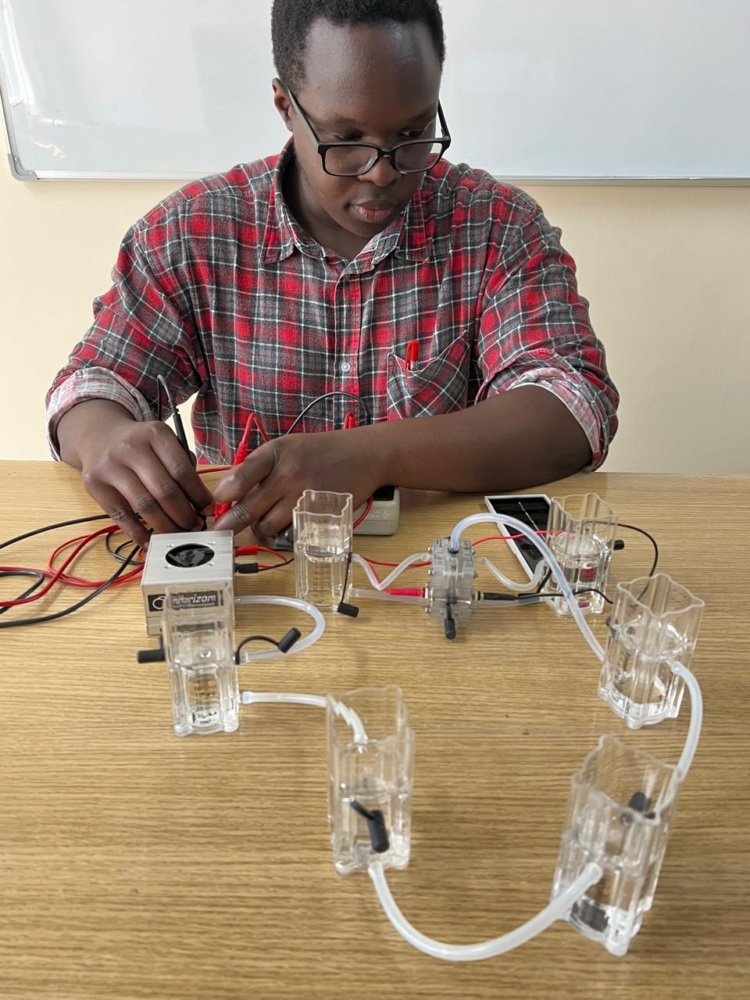
Whilst the Efficiency for Access Design Challenge has been paused, our Challenge-adjacent Accelerator Programme, delivered in collaboration with Energy Catalyst, has welcomed its second round of cohorts and finalised their support programmes.
The Efficiency for Access Design Challenge Accelerator Programme gives students who have taken part in the Challenge the opportunity to progress their designs into transformative innovations. The Programme celebrates the development of high-performing, affordable off and weak-grid appliances which aim to accelerate clean energy access in low to middle income countries. The Accelerator Programme is funded with aid from the UK government via the Transforming Energy Access platform and the IKEA Foundation.
Throughout 2025 so far, the grantees have been pitching their designs and business plans to a panel of expert judges. The sessions led to teams successfully being granted funding to turn their concepts into early-stage ventures.
Introducing the 2025 Accelerator Grantees
Strathmore University, Kenya
SOLGENH2 – Developed by Trevor Atela and Andy Onyango, this solar-powered hydrogen system delivers reliable off-grid electricity to rural hospitals by combining renewable energy generation with hydrogen storage.
Jua Coolight – Designed by Noah Midikira, Anthony Mwangi, and Stefan Mari, this solar-powered hub offers cold storage and lantern charging to help off-grid farmers and fishers preserve produce and access energy in remote areas.
ITEDA Solutions – Job Ian Onyango, Isaiah Ochieng, Ruman Hassan, Ronit Mepani, and Emmanuel Sintila Lekatoo created a modular solar dryer that shortens maize drying time and reduces post-harvest losses. It uses sensors and microcontrollers to optimise drying conditions for smallholder farmers.
University of Zimbabwe/Midlands State University
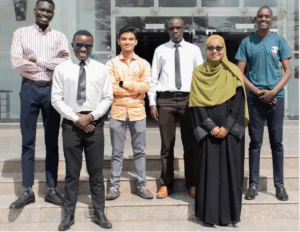
SunBlade Trimmer – Created by Aeroclock Technicals Pvt Ltd (Morelife Zibaiwa, Precious Chiwera, Tatenda Mugwazi, Oslie Munyangamire, and Talent Chigwagwa), this solar-powered lawn mower offers an eco-friendly, affordable alternative to traditional equipment, with a semi-automated model designed for users with disabilities.
IlluMedica – Tafadzwa Chipuriro, Glynnly Masanga, Tukudzwa Munorweyi, and Calvin Kuhuni from the University of Zimbabwe designed this solar-powered solution combining lighting with a smart pill dispenser to support health and education in remote areas.
Murindi Agritech Solutions – Simon A Musikavanhu, Leroy L Taderera, and Terrance S Kanhanga developed a solar-powered bird deterrent system using sensors and drones to protect crops and reduce yield losses, enhancing food security for farmers.
University of Rwanda
AGRILYTHOS – Augustin Nkundimana, Innocent Nsengimana, Rachel Uwagiriwubuntu, and Jean Bonhuer Tuyubahe developed a solar-powered automated sprayer for liquid fertilisers and pesticides, designed to boost efficiency, safety, and sustainability in Rwandan horticulture.
Solar Storage Appliance – Developed by Patrick Ndayisaba, Dushime Diedonne, Pamella Uwicyeza, Dushime Dieudonne, and Divine Ishimwe Hatangimbabazi at the University of Zimbabwe, this solar-powered system uses temperature control to preserve fresh produce and reduce post-harvest losses in off-grid farming communities.
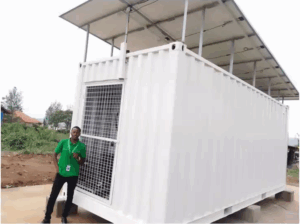
INESAM Cold Chain Solution – Samuel Turahimana, Victorien Ukurikiyimfura, Dative Tushabomwe, Aline Gihozo, and Francois Bizimana created a solar-powered cold room with mobile delivery, helping smallholder farmers reduce spoilage and access markets in off-grid areas.
“Humble and honoured to have been awarded funding”
Each team will benefit from personalised mentorship, performance-based funding, and strategic guidance to strengthen their ventures. With grants of up to £10,000, these innovations will advance sustainable development and expand energy access throughout the region.
Olivier Dushimimana, University of Rwanda
“I would like to express our sincere appreciation for awarding us the grant to help us continue developing our Solar-Powered Fresh Produce Cooling Appliance… We truly appreciate your support we received from the Accelerator Programme and will commit to utilizing this funding with the intention of achieving a positive impact in off-grid farming communities in Rwanda.”
Job Ian Onyango, ITEDA SOLUTIONS
“We are honoured to have been part of the accelerator, where we got to learn and grow as a team… The grant offers us a good opportunity… and we will therefore be applying for it to continue with our journey to market.”
The third round of the Efficiency for Access Design Challenge Accelerator Programme will be announced in late-2025, following the success of the first two cohorts. Each team in the next cohort will once more gain access to expert mentoring, as well as targeted funding tied to key milestones, and ongoing support to help shape their innovations with the aim to expand access to clean energy globally.