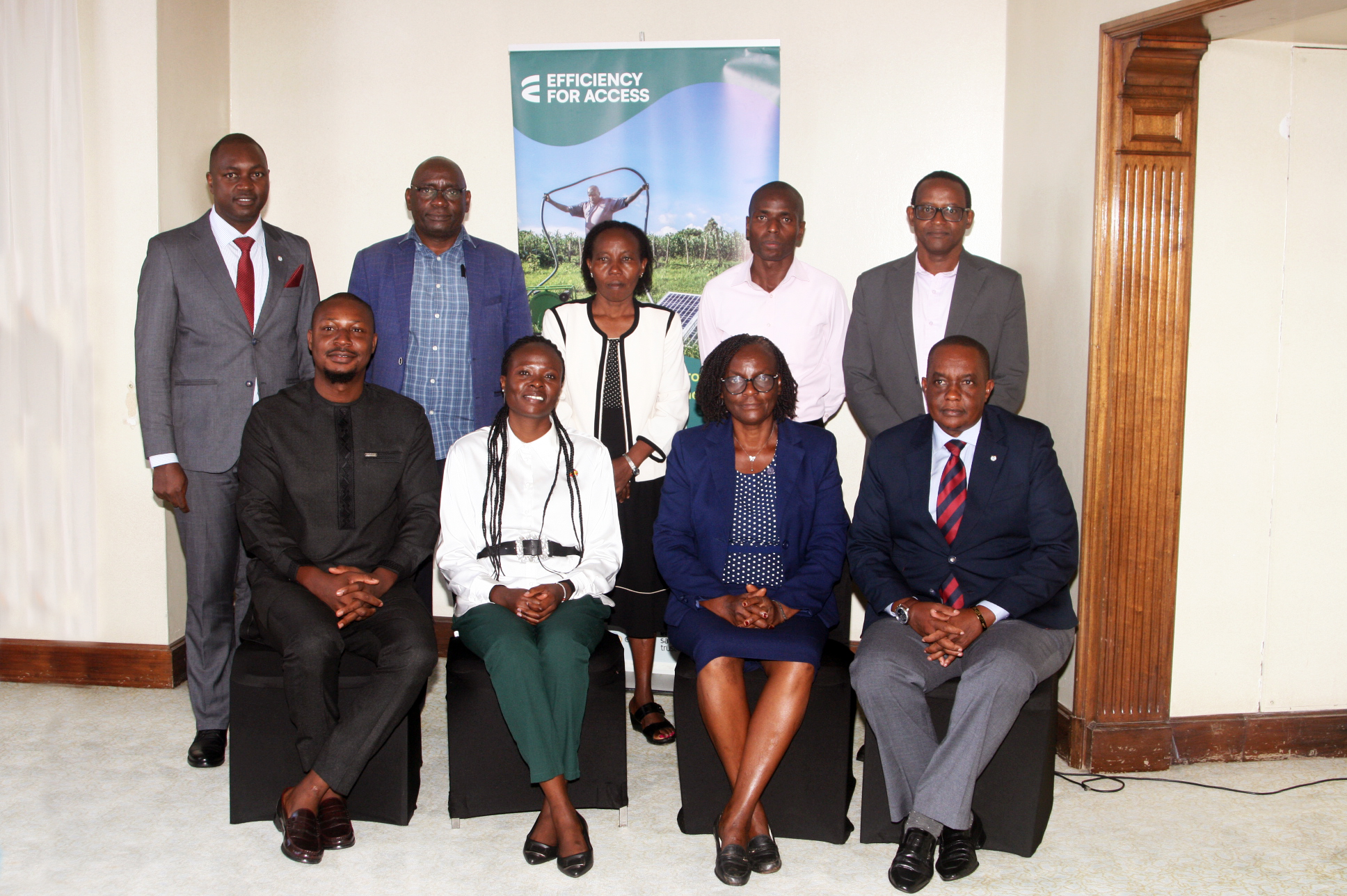
Efficiency for Access to Lead Research on How Energy-Efficient Appliances Impact Everyday Life
Efficiency for Access is leading a new consumer research study to better understand how energy-efficient appliances are changing everyday life for homes and communities.
Energy-efficient appliances can do more than reduce electricity use . They can save time, improve incomes and quality of life, and help people access more reliable and affordable energy. A new research initiative led by Efficiency for Access aims to better understand these real-world impacts across Africa and Asia.
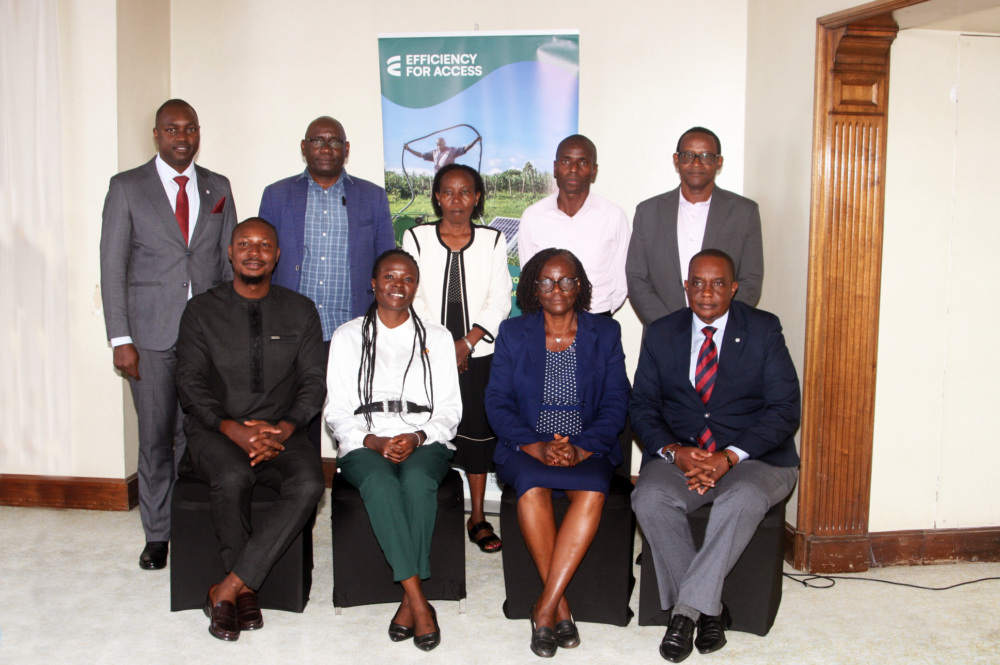
Conducted through the University of Nairobi’s Environment for Development Center (EfD-Kenya), this research will utilize multi-country data and analyses from Kenya, Ethiopia, Uganda, Nigeria, and India. Stakeholders and policy makers drawn from energy, environment and related sectors met for an Inception Workshop for the research project in Nairobi. The inception workshop marked a critical milestone in the project’s implementation as it presented the study design, methodology, and implementation plan as well as incorporating stakeholder insights for contextual relevance and policy alignment.
Speaking during the workshop, CLASP Senior Director for Clean Energy Access Emmanuel Aziebor emphasized the importance of efficient appliances in mitigating climate change and advancing Africa’s sustainability objectives.
“Efficient appliances can improve lives, strengthen livelihoods, and reduce emissions, but we need stronger evidence to understand their full impact. This research will help us better understand how these technologies are affecting people, businesses, and communities, and guide future action,” said Emanuel Aziebor, Senior Director for Clean Energy Access at CLASP.
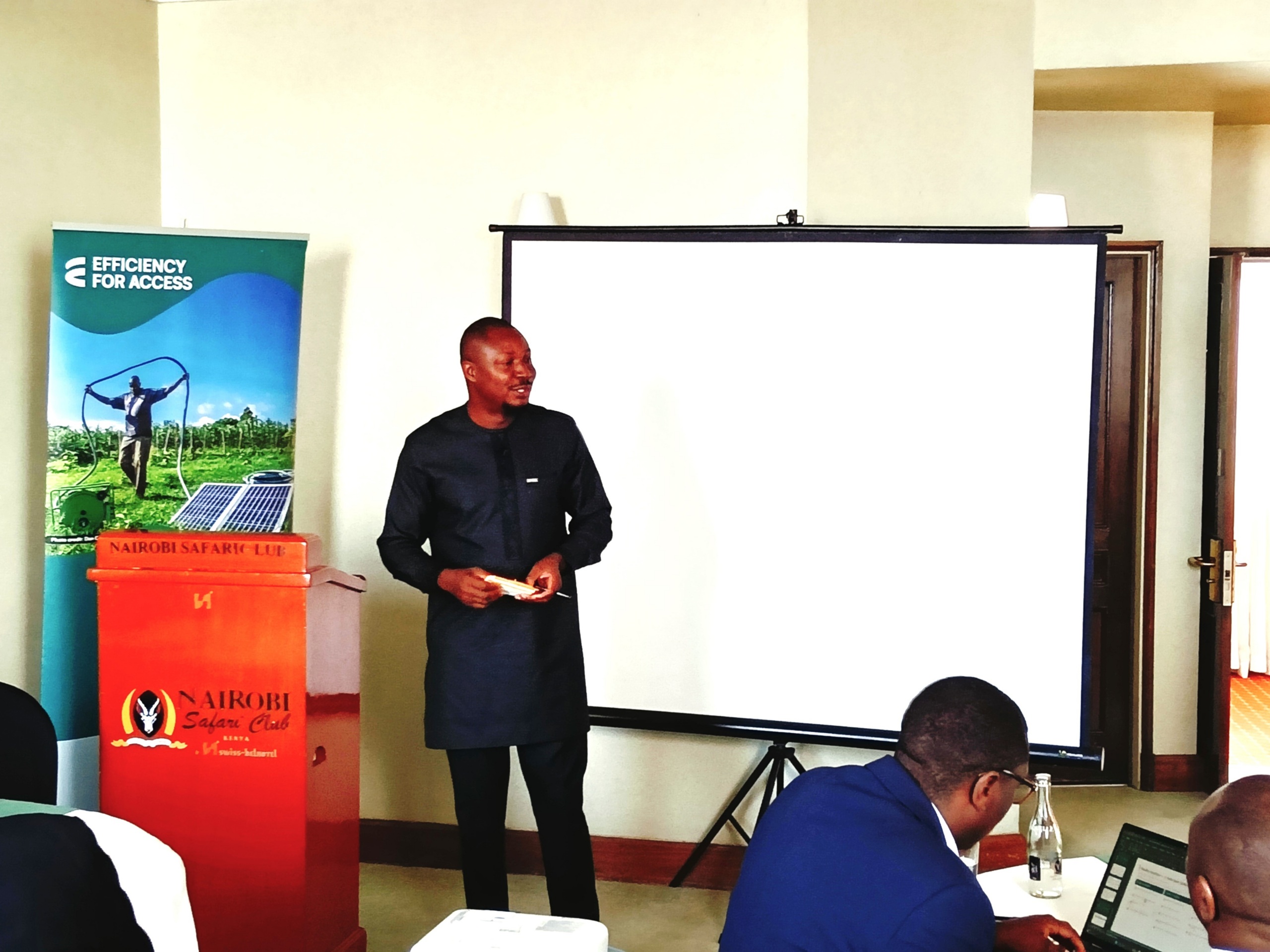
The research will provide evidence-based policy recommendations to inform energy planning, promote sustainable energy transitions, and enhance the uptake of clean and efficient appliances in Kenya. Research findings will also go towards advancing national and global development goals, including improved energy access, reduced environmental impacts, and enhanced household well-being. CLASP Research Manager, Clean Energy Access, Dr Dianah Ngui, further highlighted the need for multi-stakeholder collaboration in successfully driving the research project to its completion.
“This research is important because its findings will inform policy. Stakeholder collaboration in technical input input and validation of the findings will be crucial to aligning the findings with crucial actionable policy recommendations. Our main concern is the impact of appliances on end users and businesses. Through this research, we will be able to establish the full extent of the effects and suggest improvements and the way forward. I have no doubt that the findings will be beneficial to consumers, government authorities, policy implementors, and development partners,” said Dr Dianah.
According to the UN Sustainable Development Group, about 645 million people will still lack electricity by 2030 with more than 80% of them concentrated in Sub-Saharan Africa. Covering a range of productive appliances, including solar water pumps, refrigerators, freezers, and e-cookers, this study will gather insights from a sample of over 5,000 appliance users, making it one of the largest studies of its kind on how efficient appliances impact people’s daily lives. It will also make sure the voices of consumers and businesses are heard.
Efficiency for Access is working at the intersection of technology, policy, markets, and finance to ensure that efficient appliances reach the people who need them most, and that the systems around those appliances actually work.