Efficiency for Access at GOGSFE 2026: Key Takeaways
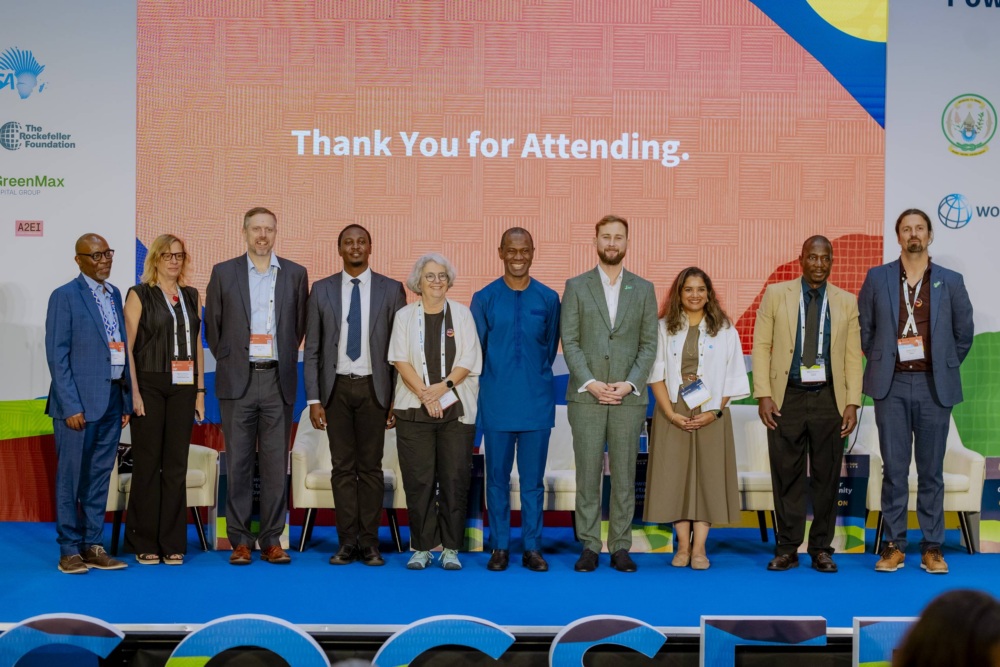
From 27 – 29 October, the eighth Global Off-Grid Solar Forum and Expo (GOGSFE 2026) took place in Kigali, Rwanda, bringing together over 1,000 companies, NGOs, investors, policymakers and funders who are working on off-grid solar. Energy Saving Trust (co-secretariat of Efficiency for Access) played an active role at GOGSFE, convening a joint CROWD space with EEP Africa and running multiple events on topics including the energy, water, agriculture and nutrition (EWAN) nexus, humanitarian energy, repair, interoperability, and supporting locally led clean energy access companies. Here are our key takeaways from the conference.
1. Greater consensus around the need for openness in the sector
Both the Open Energy Access Symposium (OSEAS), which took place on Monday 26 October, and GOGSFE itself, showed that energy access stakeholders are increasingly valuing the need for transparency and collaboration. OSEAS highlighted the vital role of open-source tools in delivering solutions more efficiently by enabling knowledge sharing and resilience building. Energy Saving Trust is contributing to this agenda through an interoperability project being delivered in partnership with EnAccess.
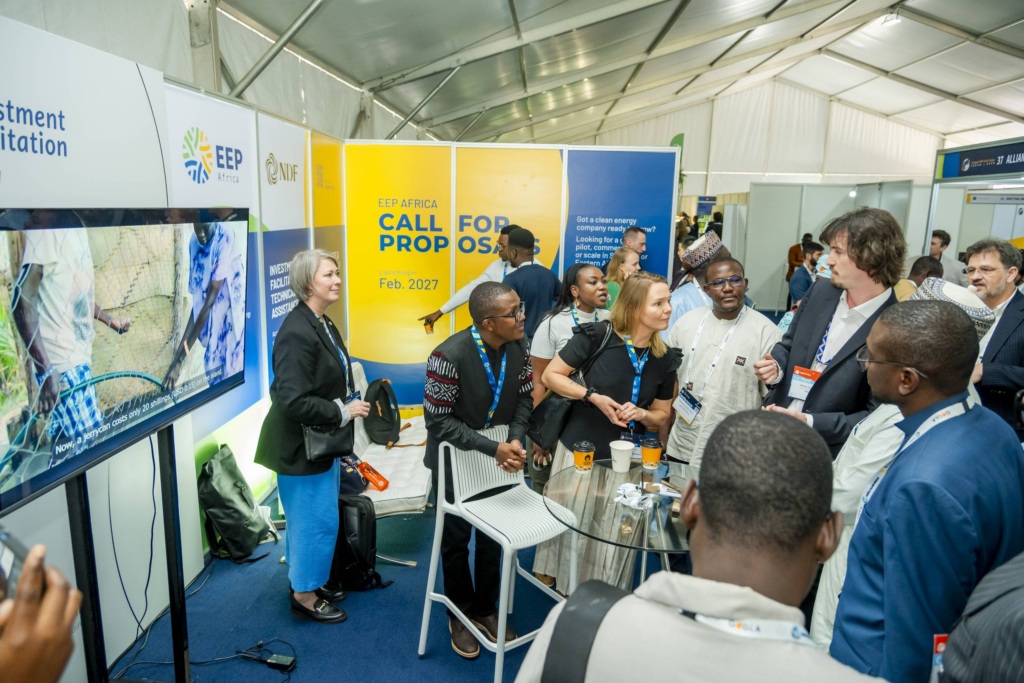
The imperative to collaborate came through strongly in the presence of the CROWD platform, which we are delighted to co-chair with EEP Africa. The CROWD brings together organisations who manage grants and technical assistance to support clean energy access companies by improving harmonisation and coordination between providers and strengthening the pipeline for investment.
Across CROWD’s workshops focusing on harmonising due diligence, data sharing and company support, participants demonstrated a strong openness to sharing learning, building partnerships and working more collaboratively. Organisations were candid about the challenges they face, but equally enthusiastic about identifying opportunities for collective action and support.
Encouragingly, the workshops demonstrated that the sector is ready to collaborate. The willingness to share knowledge, align tools and processes, and work towards common goals is already there. The challenge now is to build on this momentum and translate conversations into practical action and lasting impact.
2. The Off-Grid Solar Repair Lab puts circularity and repair firmly on the agenda
Repair and circularity have been important areas of Energy Saving Trust’s work for some time, so we’re excited to formally join and bring that experience to the Off-Grid Solar Repair Lab.
As such, we were particularly impressed with the fact that circularity and repair were recurring themes at the Forum. As markets for solar appliances and productive use technologies continue to grow, we shouldn’t wait for repair to become a problem. There is a real opportunity to embed repair strategies in companies’ business models from the outset, helping to ensure energy access is sustained while often delivering affordability benefits.
We’re looking forward to working with SolarAid, the University of New South Wales, GOGLA, CLASP, and the many other Lab partners to tackle the repair challenge together.
3. Agriculture, nutrition and water becoming more integral to the energy access discourse
The Agri-Energy Coalition was highly visible across the conference, demonstrating that water, agriculture, and nutrition considerations are increasingly being taken seriously in efforts to enhance clean energy access. As a co-founder and Steering Committee member of the Coalition, Energy Saving Trust was pleased to see these themes featured so prominently throughout the event.
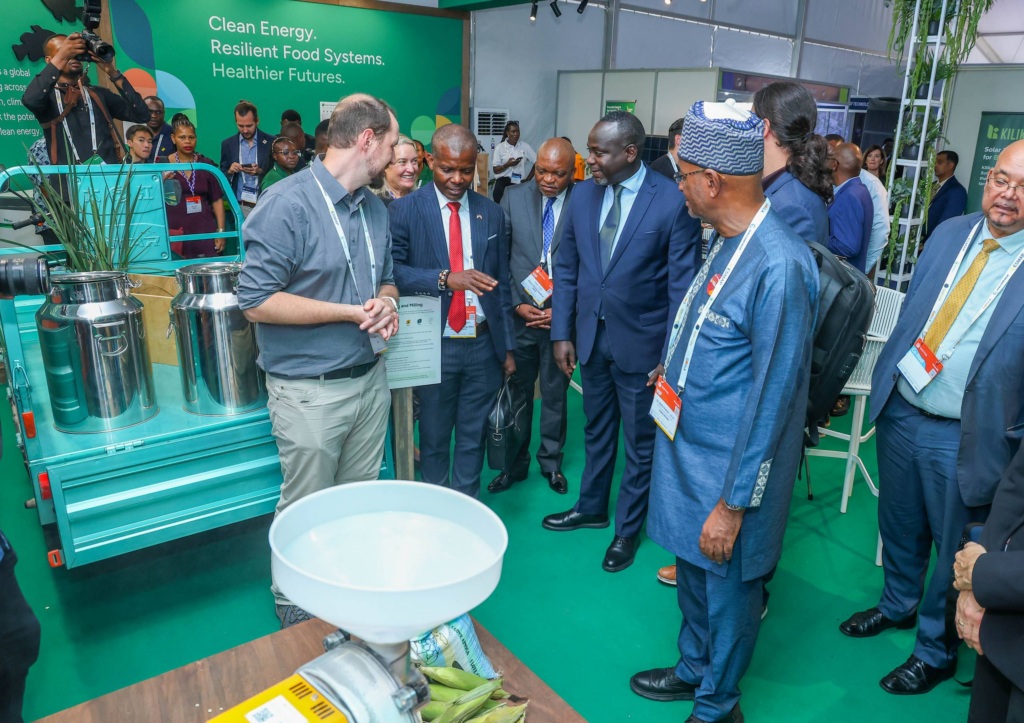
This was powerfully illustrated in the Coalition’s immersive booth, where visitors could walk through agri-food value chains in action, tracing maize, dairy, cabbage, fish, passionfruit and coffee from field to plate to see where productive use of renewable energy (PURE) can power food systems, with technologies on site. What’s more, the Agri-Energy Coalition was a driving force behind the Putting Solar to Work track at GOGSFE, hosting a series of high-profile events.
In its capacity as co-Secretariat of Efficiency for Access, Energy Saving Trust remains committed to ensuring that end-user needs remain at the centre of efforts to scale PURE solutions.
4. Humanitarian settings can become investable markets
Humanitarian settings were also an important part of the conference agenda, with a dedicated humanitarian workshop convened by the Global Platform for Action (GPA) exploring both opportunities and barriers to investment.
In an event on the last day of the conference, speakers reflected candidly on the challenges in operating in humanitarian settings, yet the overarching message was that these markets are not ‘uninvestable’. Instead, the sector must continue building the evidence, partnerships and financing mechanisms needed to unlock greater private sector engagement. There’s a need for greater emphasis on blended finance and catalytic subsidies as tools to unlock commercial capital rather than replace it.
A site visit to Nyabiheke Refugee Camp on Friday 30 October allowed a select group of stakeholders to see firsthand the impacts of the H-PURE project, led by Energy Saving Trust in partnership with Practical Action. Local refugee entrepreneurs spoke about how the subsidised off-grid appliances have helped increase revenues for their existing businesses. In some cases, access to these appliances have helped them start a new business and support their families.
The momentum at GOGSFE reinforced that many of the challenges facing the off-grid solar sector cannot be tackled by organisations working alone. Looking ahead, the priority is to turn this willingness to collaborate into practical action, working more closely with partners through platforms such as the Agri-Energy Coalition, CROWD, the Global Platform for Action (GPA), and the Off-Grid Solar Repair Lab. By bringing together different expertise, sharing learning and aligning efforts across energy access, agriculture, humanitarian settings and circularity, we can tackle common challenges more effectively and help build stronger, more sustainable and inclusive markets.