How Energy-Efficient Milling Strengthens Off-Grid Sustainability
On 20 August 2026, Efficiency for Access hosted a webinar on the role of energy-efficient milling operations in strengthening off-grid system sustainability in Northern Uganda.
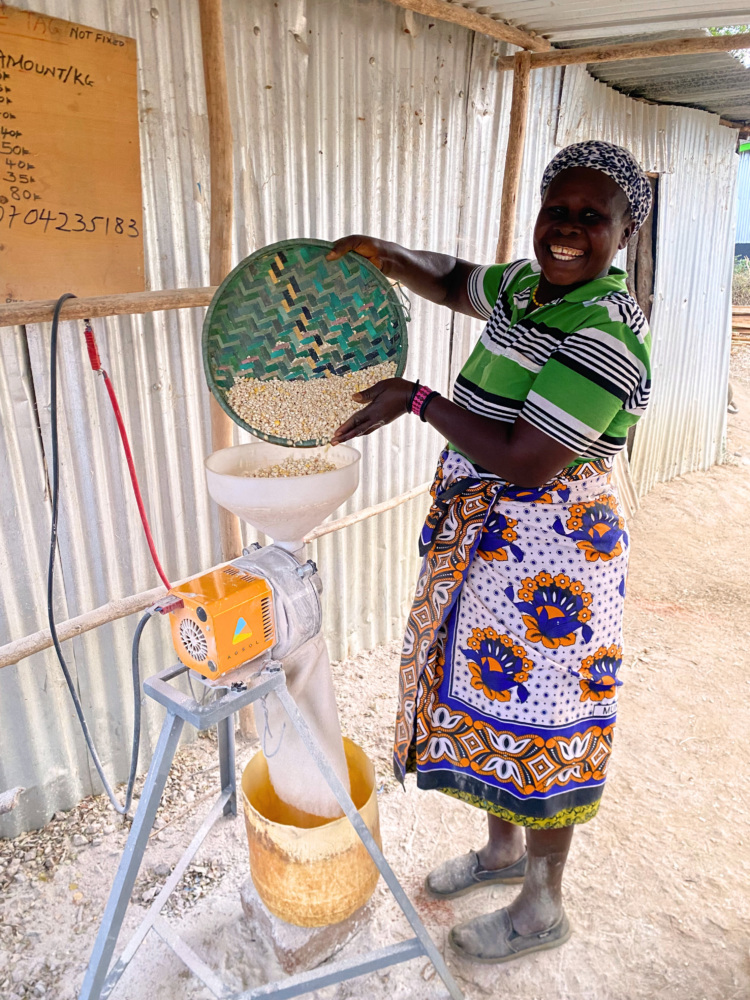
On 20 August 2026, Efficiency for Access, in collaboration with the Energy Efficiency Association of Uganda (EEAU) and the East African Centre for Excellence for Renewable Energy and Energy Efficiency (EACREEE), hosted a webinar on “The Role of Energy-Efficient Milling Operations in Strengthening Off-Grid System Sustainability in Northern Uganda”.
Energy is a key cost driver for households, businesses, industries, and social institutions. Alongside the high cost, energy generation and utilization contributes to carbon emissions. Investing in energy efficiency helps reduce avoidable energy costs and carbon emissions, enhances comfort and health in the built environment, and reduces overall energy demand by end users. Energy efficiency is a first crucial step in conjunction with available renewable energy sources of hydropower, sustainable biomass, solar, geothermal, and wind.
However, scaled adoption and investment in energy efficiency are limited; this project aims to assess the role of energy-efficient milling anchor load operations in supporting mini-grid deployments and accelerating energy efficiency to expand access to clean energy.
Efficiency for Access, in partnership with EEAU and EACREEE, is conducting a case study of NOA’s grain milling machines, deployed across 25 operational mini-grids in Northern Uganda. The insights gained from this project will inform the design of more energy-efficient grain milling systems, enabling broader adoption across mini-grids and strengthening their long-term sustainability.
The webinar on 20 August shared and validated findings from the case study based on the assessment conducted by the EEAU-EACREEE Consortium. Three of the 25 milling sites were assessed. The insights gained from the case study are meant to improve how the other 22 sites are deployed and maintained. The insights were shared with workshop participants, and the comments received will be used to enhance the workshop report and other knowledge products, ensuring that insights inform the design of more efficient maize milling systems, enabling broader adoption across mini-grids and strengthening their long-term sustainability.
Watch the webinar recording below: