Key Takeaways from the Regional Convening on Productive Use of Renewable Energy in East Africa
Key takeaways, commitments, and priority actions on how to advance Productive Use of Renewable Energy (PURE) in East Africa from a regional convening in Nairobi, Kenya on 31 March 2026.
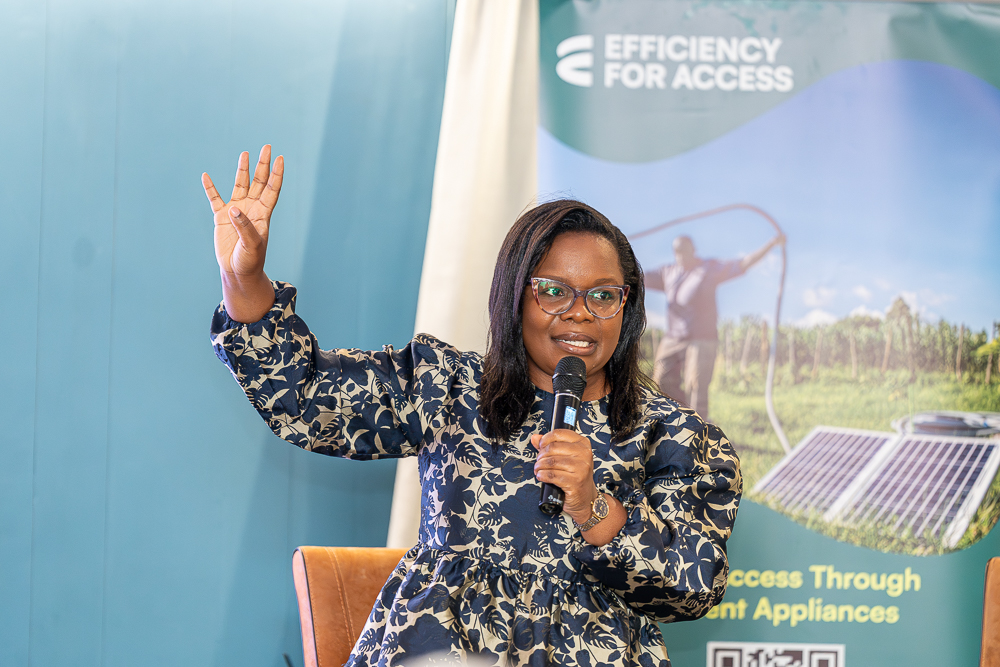
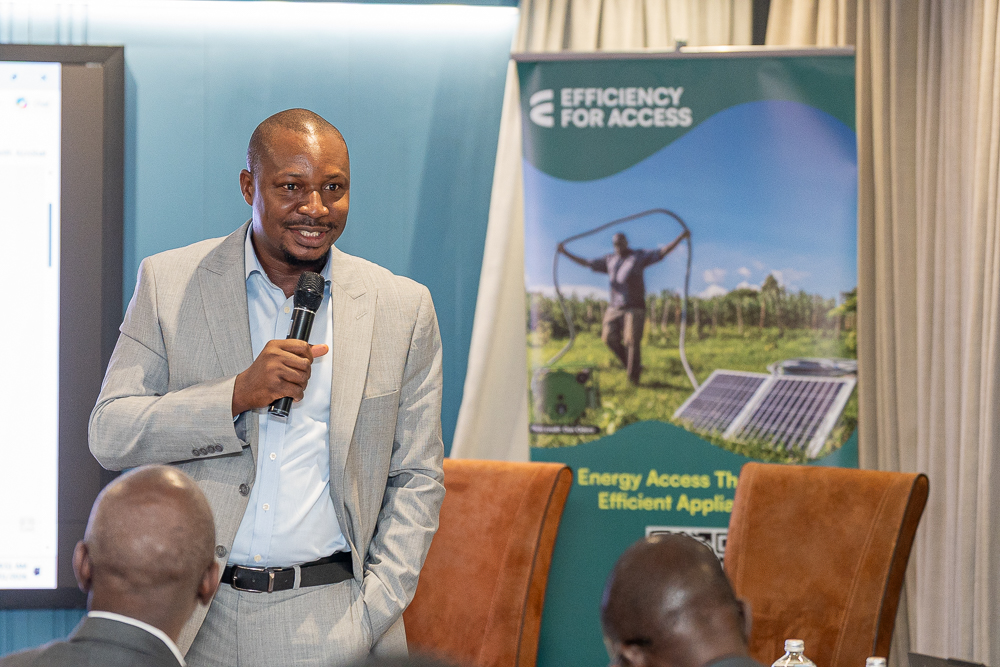
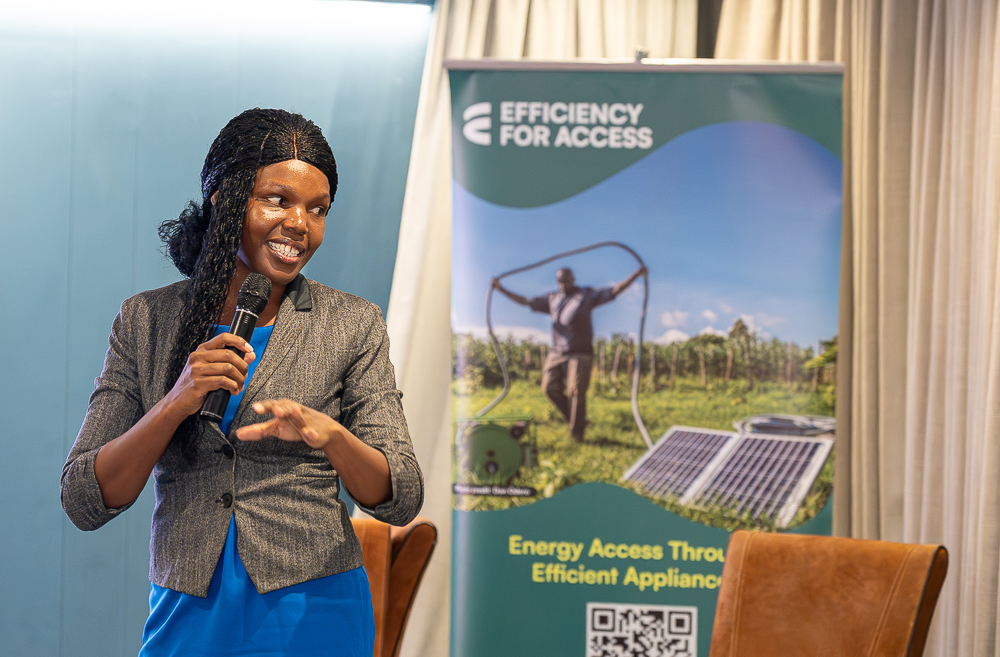
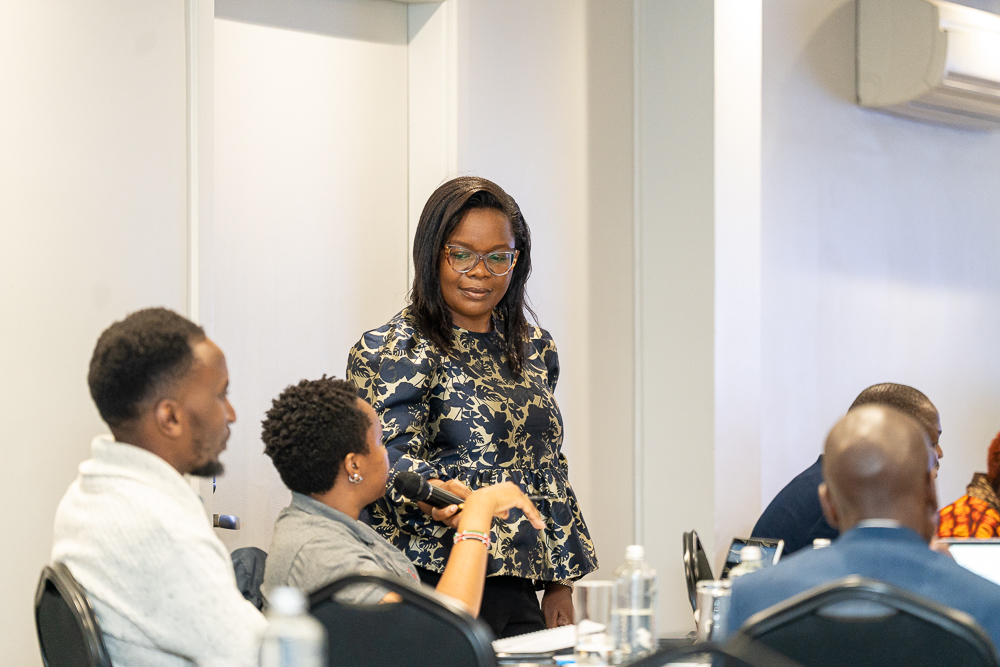
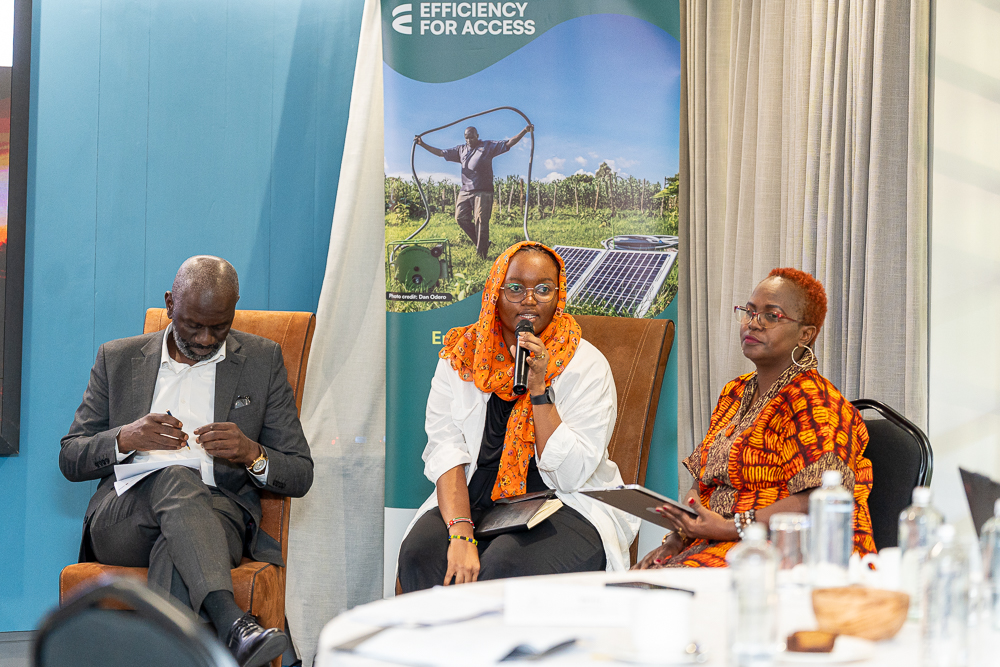
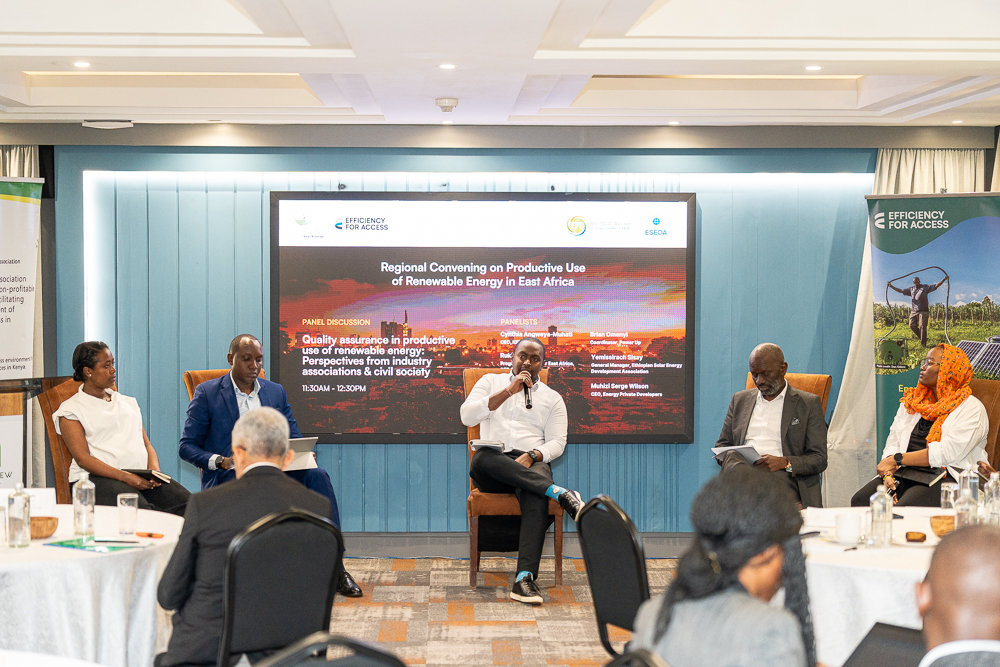
Senior representatives of national and sub‑national governments, renewable energy associations, private sector actors, civil society organisations, development partners, and research institutions from East Africa convened in Nairobi on 31 March 2026 to examine policy and quality assurance (QA) frameworks for Productive Use of Renewable Energy (PURE). The workshop was convened by the Kenya Renewable Energy Association (KEREA), in collaboration with CLASP as co-host of the Efficiency for Access Coalition.
The convening recognised that PURE is a strategic enabler of inclusive economic growth, food security, job creation, and sustainable energy access, particularly in off‑grid and under‑served communities. Participants further acknowledged that credible quality assurance, supportive policy frameworks, and coordinated investment are essential to scaling PURE and sustaining markets.
Here are five key takeaways from the convening, as well as conveners’ commitments and priority actions following the event:
Key Takeaways
1. The Trust Deficit and Quality Imperative – “When trust is high, cost is low”
- Substandard products as a market barrier: Substandard equipment is the leading cause of market erosion, damaging consumer trust and increasing perceived risk for financiers.
- From voluntary to structured standards: While voluntary standards have served as a starting point, there is a regional urgency to transition toward structured, mandatory QA frameworks to protect consumers and de-risk investments.
- Consumer-centricity: Policy and standards must be designed around the end-user. As per UN Resolution 80/119, businesses must ensure safety throughout the product lifecycle, and associations must amplify the “voice of the consumer.”
2. Fiscal and Policy Asymmetry
- The “grey areas” of incentives: While solar panels often enjoy VAT/duty exemptions, the PURE appliances (mills, pumps, coolers) that drive income are frequently taxed, making them uncompetitive against diesel alternatives.
- Evidence-based advocacy: There is need for a “Fiscal Incentive Study” to provide Revenue Authorities (e.g., KRA) with an evidence-based case for how tax exemptions on PURE appliances drive long-term economic transformation.
3. The Data and Knowledge Gap
- Fragmented data: A significant lack of localized market assessment data hinders effective planning. We cannot scale what we cannot measure.
- The power of storytelling: Beyond data, “success stories” and peer-to-peer learning are essential tools to overcome the “knowledge issue” regarding how PURE systems operate and scale.
4. Devolved and Localized Leadership
- Counties as engines of growth: In Kenya, energy is a shared function. With energy functions increasingly decentralized, sub-national governments are critical to implementation. However, capacity gaps – technical, financial, and institutional – are limiting their effectiveness.
5. PURE Appliance Repairability
- Farmer support through demonstrations: Farmers benefit significantly from hands-on demonstrations where they learn how PURE technologies work. This aligns with the principles of good repair models, particularly around customer engagement and user education.
- Limited clarity on appliances and documentation: A lack of clear product information and documentation often leads to mismatched installations, resulting in equipment failure. This highlights a major repairability challenge related to insufficient or unclear technical documentation.
- Perception and adoption challenges: When equipment fails, negative experiences spread more rapidly than success stories. Failed appliances are often disposed of, creating fear among potential users and reducing adoption, rather than encouraging repair or corrective action.
- Designing for repairability: SunKing is currently designing solar refrigerators and planning deployment in Kenya, following successful pilots in Nigeria with over 3,000 adoptions. Manufacturer involvement at the design stage to embed repairability presents a significant opportunity.
- End-user awareness and after-sales service: There was a strong call for advocacy to ensure end users understand what they are purchasing, including product quality, repair options, and availability of after-sales support.
- Cross-sector collaboration: Collaboration across manufacturers, distributors, service providers, and policymakers was emphasized as essential to strengthening repair ecosystems.
Commitments and Priority Actions
1. Strategic Policy Alignment & Harmonization
- Regional standards roadmap: Facilitate cross-border knowledge exchange to harmonize standards across Kenya, Uganda, Ethiopia, and Rwanda, reducing the cost of compliance for regional distributors.
- Integration of PURE in national acts: Support the finalization of the Kenya Energy Act revisions to ensure PURE is recognized as a central pillar of demand stimulation.
- Mission 300 integration: Leverage the Mission 300 framework to bridge the gap between large-scale infrastructure and decentralized PURE solutions.
2. Institutional Synergy & Capacity Building
- Establishment of a central repository: Develop an open-source, centralised database for PURE market data to inform both private sector investment and government planning.
- Strengthening testing infrastructure: Support the scaling of in-country testing labs (such as the University of Nairobi’s Off-Grid Lab) to provide affordable, local certification services for PURE appliances.
- Technical training: Prioritize the certification of local technicians to ensure reliable after-sales support, particularly in rural value chains like fisheries and solar-milling.
3. Market Readiness & Financial Innovation
- Fiscal clarity engagement: Convene a dedicated dialogue with National Revenue Authorities (KRA, URA, etc.) to harmonize duty exemptions for integrated RA-PURE technologies.
- Green finance mobilization: Work with Microfinance Institutions (MFIs) to simplify “green funding” requirements and help them understand PURE technologies as viable collateral.
4. Sustainability & Responsibility
- E-waste management: Scale the Electronic and Electrical Producer Responsibility Organization of Kenya (EPROK) model regionally to ensure the safe disposal of solar components and batteries at the end of their lifecycle.
- Consumer protection: Empower industry associations to act as the “first line of defense” for consumer rights, utilizing the UN Principles for Consumer Product Safety to drive industry compliance.
The way forward
Participants committed to continued collaboration through existing platforms, with support from KEREA, Efficiency for Access, and partners, to advance coherent PURE quality assurance policies, mobilise investment, and strengthen implementation across the region.
This article is an adaptation of a piece originally written by Anne Songole, CLASP.