Making Climate Solutions Work: Lessons from Nairobi’s City Market
What does it take to make climate solutions work in real life? At Nairobi’s City Park Market, a walk-in cold room is helping reduce food waste and support local vendors. Delivered by C40 Cities in partnership with Nairobi City and Efficiency for Access, this pilot offers a candid look at the realities of implementing innovative climate technologies into practice.
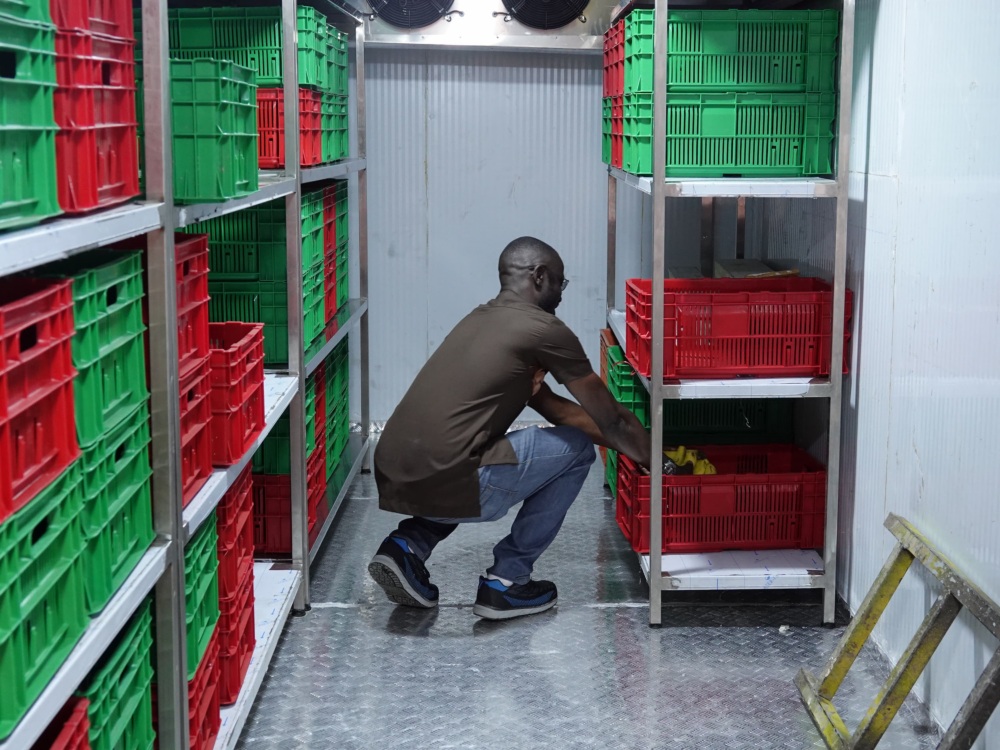
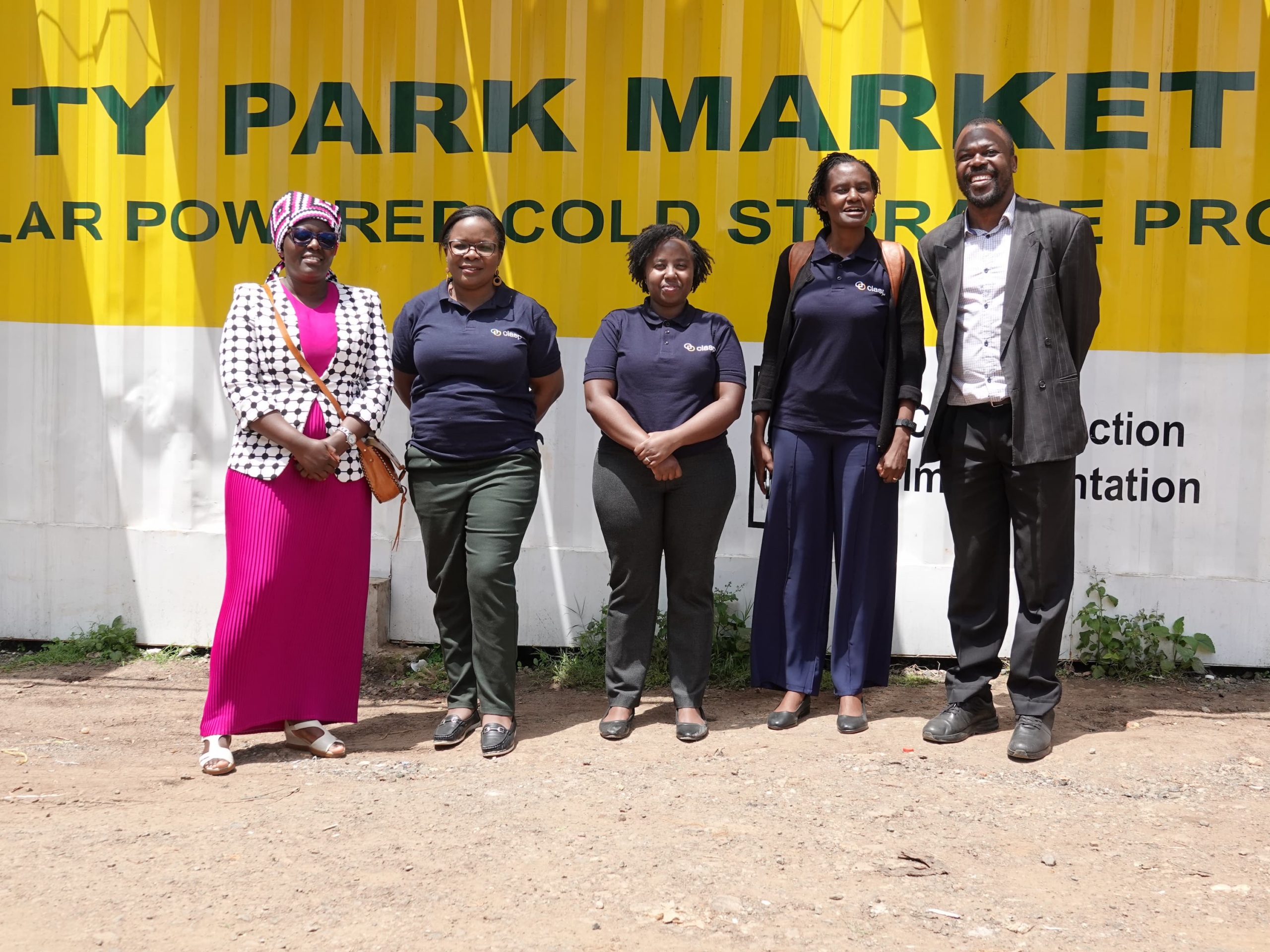
In August 2025, CLASP, through Efficiency for Access, partnered with Nairobi City and C40 Cities under the Climate Action Implementation Project to pilot a solar powered walk-in cold room at City Park Market in Nairobi, Kenya. This first-of-its-kind project aimed to address a common challenge in markets, food spoilage, by providing reliable, off-grid cold storage to help vendors keep produce fresh for longer.
Beyond the immediate impact, the project set out to show how clean, energy-efficient technologies can work in practice, particularly in settings with limited access to electricity. It also hoped to serve as a blueprint for other African cities looking for practical ways to reduce food waste and their climate goals.
As the project progressed, technical support from Efficiency for Access evolved to meet emerging needs, revealing both the opportunities and complexities of delivering innovative solutions through partnerships.
Following the conclusion of the project, here are a few key takeaways from the partnership:
Key Takeaways:
1. Working with partners early is key to delivering climate projects successfully.
CLASP, through Efficiency for Access, served as the technical expert on this project. We helped create guidance documents, trained Nairobi City County officials, and designed a way to test the walk-in cold room. However, when the testing approach was reviewed, the process was considered too risky for a project nearing completion. Instead, a simpler and less disruptive method of monitoring the cold room was adopted and completed before the project concluded.
The key takeaway: Testing equipment like walk-in cold rooms should happen when it is first installed, not at the end of the project. Early testing helps to build confidence and trust among users, such as market traders and city officials, and shows that climate-friendly solutions are reliable and effective.

2. Structured collaboration makes complex projects run smoothly.
The project brought together organizations with complementary skillsets and provided a clear breakdown of work responsibilities. The project involved market research, stakeholder gatherings, installation of the cold room, and technical expertise. Efficiency for Access, alongside C40 Cities and participation from market traders and Nairobi City officials, offered its expertise in providing best-practice technical guidance to ensure that the cold room functioned properly.
The key takeaway: Collaboration with multiple partners and stakeholders requires clear Terms of Reference, agreed ways of working, and regular progress reviews. As an organization that has worked with a network of mayors across the globe, C40 Cities was an effective collaborator, ensuring that all parties understood what was expected of them.
3. Anchoring climate action to subnational policy is critical to successful implementation.
C40 Cities had previously supported the development of Nairobi’s climate and energy policies, which provided the policy foundation for this project. This policy formed the foundation for the pilot project, allowing Nairobi City to implement coordinated climate action across all relevant departments, including finance. However, one gap remained: finances generated from previous projects didn’t flow into this pilot project. The deployment and use of proceeds generated from traders’ use of the cold room was not piloted during the project period.
The key takeaway: Embedding payment systems and financial flows within policy actions and practices is a necessary next step for future projects.
4. Quality assurance remains an important but missing piece in improving climate technologies.
Efficiency for Access conducted short-term monitoring of the cold room, which provided useful insights into temperature dynamics, such as fluctuations throughout the day, variations inside the crates, etc.
The key takeaway: For off-grid solutions to succeed at scale, quality assurance and routine testing at the time of installation, as well as structured maintenance practices, must be embedded in county government operations. Prioritizing quality assurance and testing helps strengthen technical performance, builds consumer confidence, and stimulates demand for high-quality off-grid appliances.
Broader Relevance
Projects like this demonstrate the potential for wider adoption of renewable energy technologies that help people earn a living. These include appliances powered by clean energy such as solar powered refrigerators, that support small businesses to reduce costs and improve productivity.
By piloting these solutions, subnational governments can see what works in practice, creating proof points that encourage other local governments to invest in and adopt climate-smart technologies that cut emissions while supporting economic growth. The Green City Market Guidelines capture key lessons and success factors from these efforts and provide a roadmap for cities looking to replicate and scale similar projects.