Powering Food Systems: Efficiency for Access at the Africa Food Systems Forum
Insights and key takeaways from Dakar, Senegal, building resilient food systems through energy, agriculture and community-led innovation.
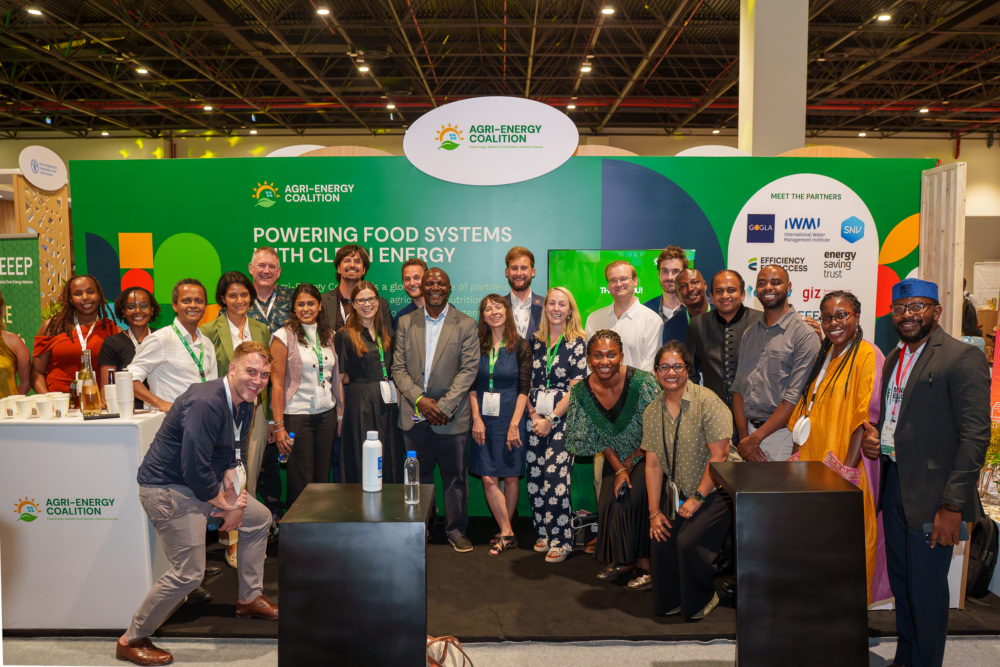
Efficiency for Access joined global leaders in Dakar, Senegal, for the Africa Food Systems Forum from 31 August to 5 September 2025. With a record 6,000 attendees, the conference brought together leaders from across the public and private sectors, philanthropy, and finance around the theme “Africa’s Youth Leading Collaboration, Innovation, and Implementation of Agri-Food Systems Transformation.”
We attended as members of the new Agri-Energy Coalition, a growing alliance working to power food systems with clean, affordable energy, and improve livelihoods across low- and middle-income countries. In no particular order, here are our key takeaways from the conference.
1. The energy-agriculture-nutrition-water nexus featured prominently in conversations
The energy–agriculture–nutrition–water nexus was a major theme throughout the week. Dedicated sessions, side events and informal conversations all pointed to one thing: momentum is building. Many organisations came to the Forum to explore joining the Coalition, highlighting growing recognition of the need for cross-sector collaboration.
2. IKEA Foundation comes to the fore
The IKEA Foundation, who co-funds the LEIA programme, was one of the most visible players in the agri-energy nexus. The Foundation was active across the Forum, meeting with partners, promoting collaboration, and positioned themselves as key supporters of the agri-energy nexus. A great example was the launch of the €45 million Power for Food Partnership, led by SNV and supported by the IKEA Foundation. This initiative combines regenerative agriculture with clean energy. Programmes are already underway in Uganda, Ethiopia, Rwanda and Kenya, with a strong focus on local leadership and community-led design. The Partnership was widely welcomed as a model for how energy and agriculture can work together, within planetary boundaries. Marilia Bezarra, Chief Programmes Officer of the IKEA Foundation, also recognised Energy Saving Trust, co-Secretariat of Efficiency for Access, for our leadership on the agri-energy nexus, “But that’s the face of enthusiasm for supporting incredible partners (hey SNV GOGLA Energy Saving Trust and so many others!)”
3. Energy needs agriculture more than the other way around
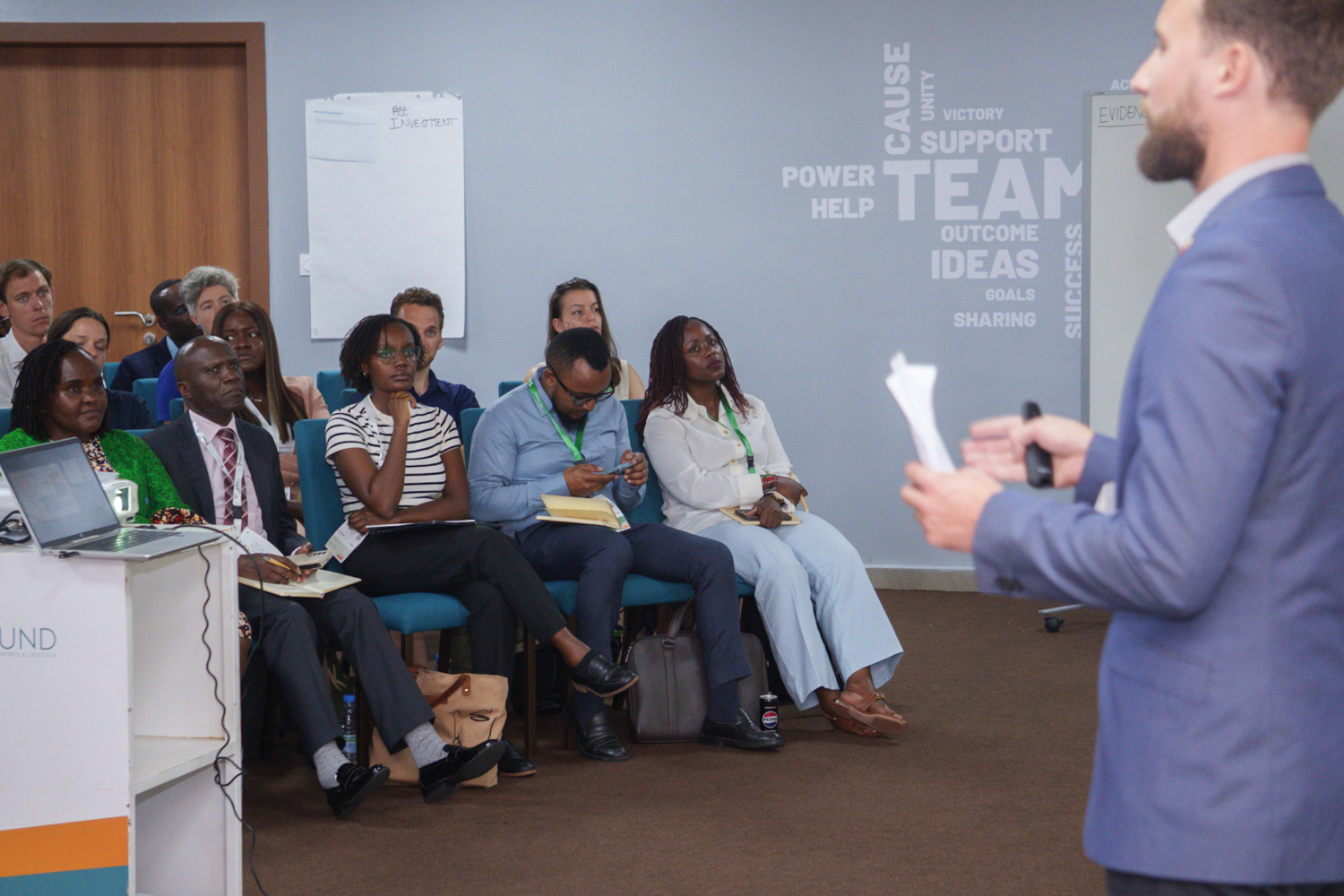
The Forum also brought realism. From the agriculture sector’s point of view, energy isn’t the biggest challenge. Land use and methane emissions are far more pressing. That means the energy sector must stay humble and focus on where Productive Use of Renewable Energy (PURE) solutions can truly support agricultural priorities.
Energy is indispensable to every agricultural process, from irrigation and processing to cold storage and transport, but it must be deployed in ways that align with the needs of farmers and producers, value chains, and local ecosystems.
4. Integration is crucial, but challenging
‘Integration’ was a word that echoed across the Forum. Ministers, funders, programme developers and partners all agreed, integrated thinking is essential. Yet misaligned priorities, fragmented donor efforts, and poor coordination still hold us back. At an event focused on PURE in agricultural systems, Patrick Tonui, Head of Head of Policy and Regional Strategy, GOGLA, highlighted the lack of national and regional PURE sales data as a key barrier. Each agricultural value chain needs to be examined to identify where energy processes can add value to communities. Despite this, there was optimism that initiatives like the Agri-Energy Coalition can help shift the dial.
5. Local context is everything
There’s no one-size-fits-all solution. Each country has its own climate, crops and food practices. At an event hosted by GOGLA’s Community of Champions, a platform designed to foster collaboration between governments, the private sector and development partners, we heard from ministers across five African countries. The progress gap between nations is significant, so local ecosystems and value chains must drive agri-energy solutions.
From pre- to post-harvest, from appliance access to SME support, every link in the chain matters. Judith Jacobs, Head of the Power for Food Partnership, SNV, reminded us that working with local communities and decentralised energy providers is key to building solutions that last.
6. Cooling is complex — and critical
Sustainable cooling is not a silver bullet. Each stage of specific agricultural value chains — from harvest to market — requires tailored solutions. Our recent case study, Enhancing Kenyan Fisheries, explores the fish cold chain of Adili Solar Hubs, Efficiency for Access Research and Development Fund grantee. who took a full systems approach for the integration of their cooling innovation.
In the remote region of Lake Turkana, Northern Kenya, Adili has built an off-grid cold chain system that’s transforming local fisheries and communities. A solar-powered ice-maker provides climate-smart cooling with treated water, which keeps fish cool, fresh and hygienic, ensuring fisherfolk can sell their catch at increased prices. The fish is kept cool during transit for onward sale, reducing waste and increasing the market size. Fresh fish is sold at the Kakuma local refugee camp, and once the ice melts the treated water is sold to the local community, and donated to the local primary school, reducing water borne diseases in the community.
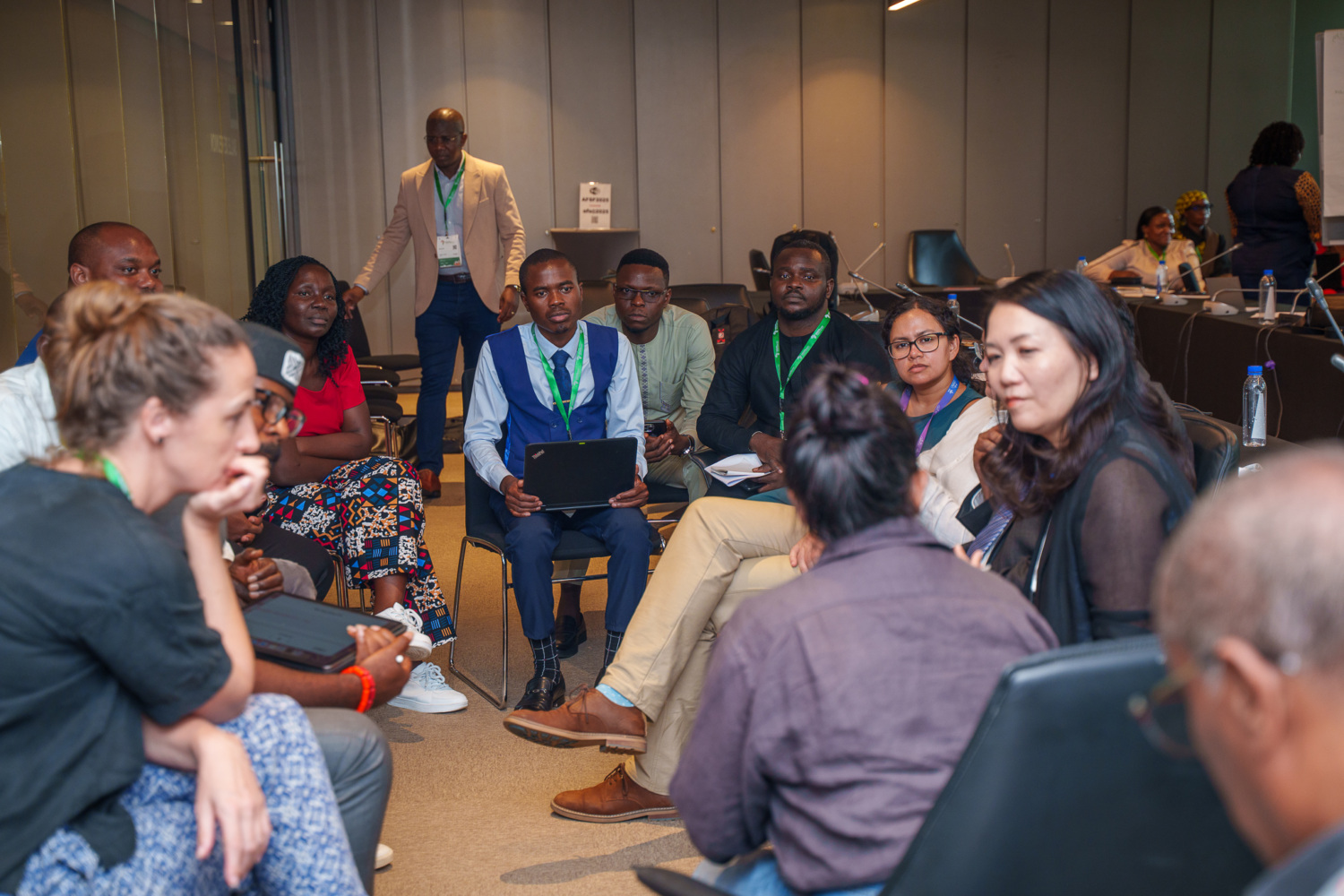
Despite the challenges, the energy at the Forum was hopeful. The Agri-Energy Coalition is young, yet it’s already helping to shift the conversation. With the right partnerships, cross-sector collaboration, and programming that is grounded in local realities, we can help power food systems that are clean, sustainable, resilient, just and inclusive.