Where you live shouldn’t decide what you can learn: lessons from WorldSkills 2026
At WorldSkills 2026, CLASP’s Abigail Kuria found five lessons for training the workforce behind Africa’s clean energy growth.
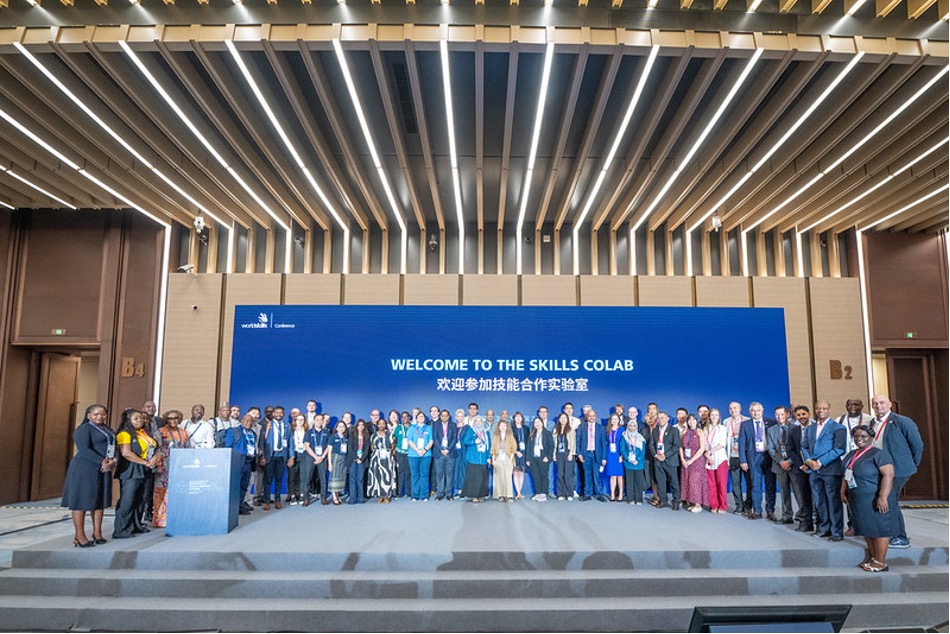
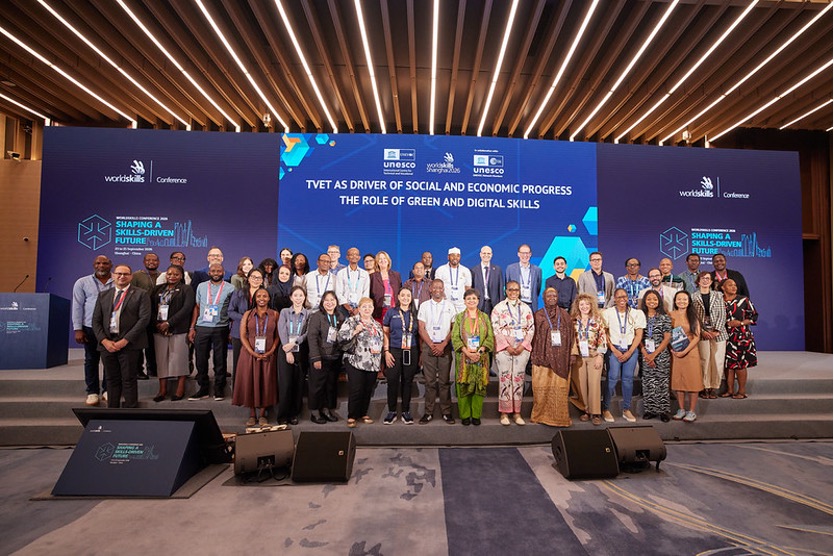
CLASP’s Abigail Kuria joined the first Skills CoLab at the WorldSkills Conference in Shanghai. She came back with lessons for how we train the technicians Africa’s clean energy markets need.
Where a young person lives shouldn’t limit what they can learn. Abigail Kuria heard that message again and again at the WorldSkills Conference in Shanghai, held 23 to 25 September.
The conference brought together policymakers, employers, educators and young people to set skills priorities, including input into the United Nations’ post-2030 agenda. Abigail, Senior Associate at CLASP, represented Efficiency for Access.
Inside the Skills CoLab
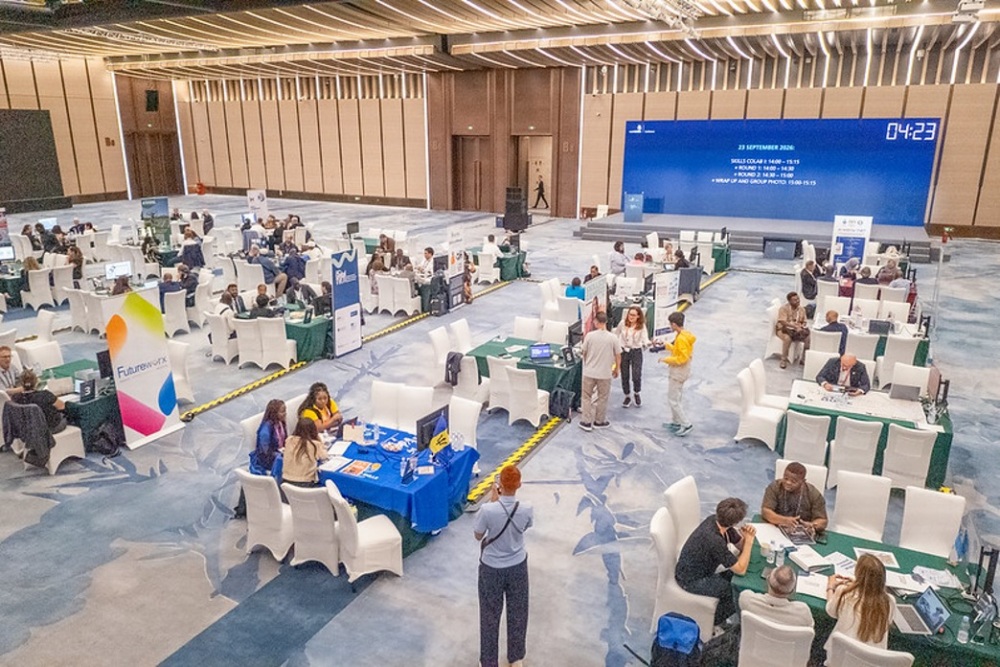
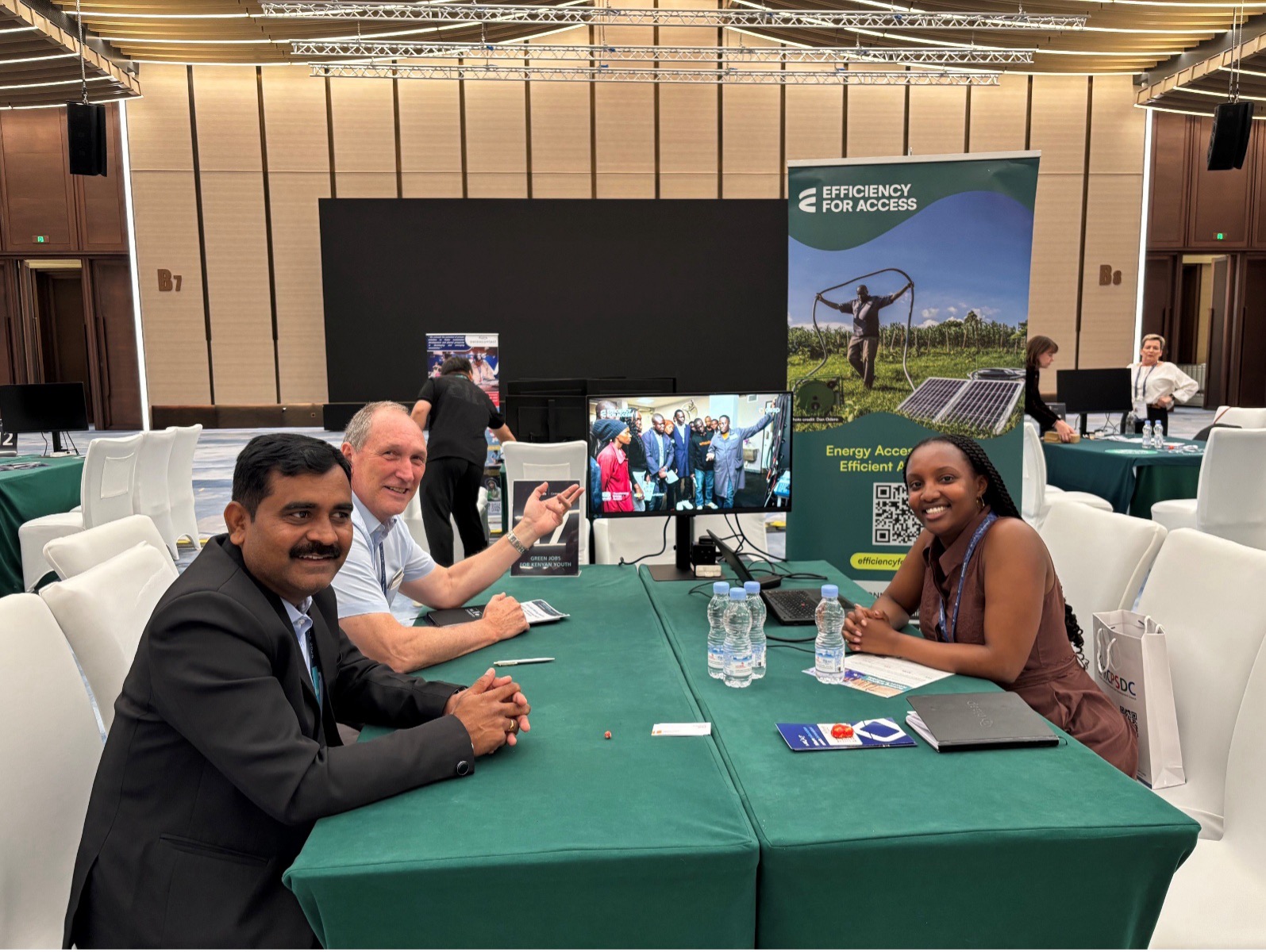
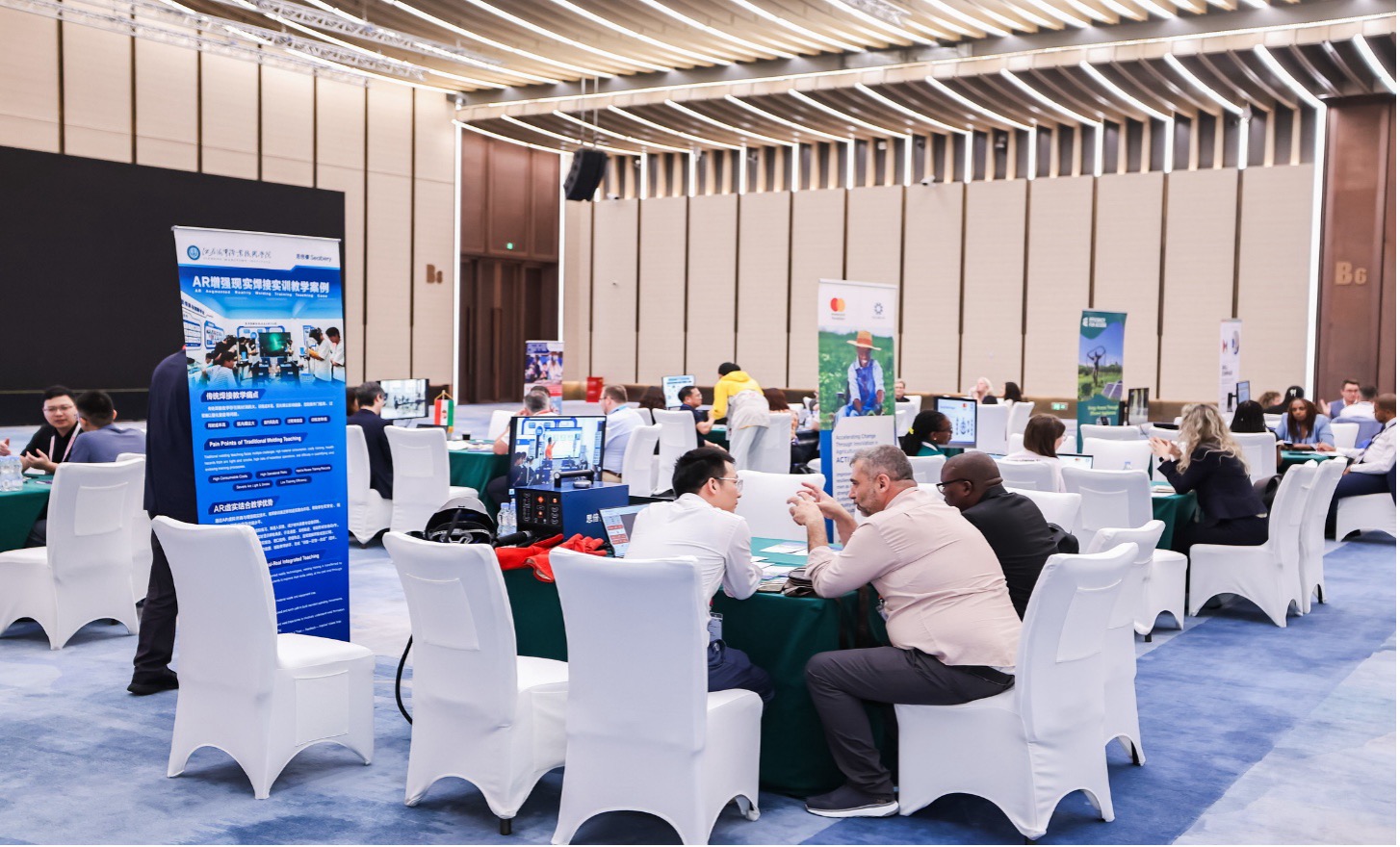
Abigail took part in the first Skills CoLab, launched at this year’s conference to build international cooperation in technical and vocational education and training (TVET). It worked like a marketplace. Selected initiatives shared their work in 30-minute consultations with potential partners, funders and peers who wanted to learn from them.
One theme came up again and again: training has to keep pace with what employers need, especially in industries being reshaped by new technology and the shift to clean energy. Five lessons stood out for our work.
Five lessons for clean energy skills
- Employers need to be involved from the start. Training stays useful when companies help decide what’s taught, offer hands-on placements and hire graduates.
- Pilots aren’t enough. A training project often ends when its funding does. Lasting change needs government backing, steady financing and institutions that keep running the course after the project closes.
- Green skills are core skills. As solar water pumps, cold rooms and other productive-use appliances spread, someone has to install, run and repair them. Training systems have to grow at the same pace as these markets.
- Access means more than a place in class. Women, people with disabilities and rural youth face practical barriers such as travel costs, childcare and entry requirements. If programmes don’t remove those barriers, places go unfilled and students drop out. Young people are often best placed to say what’s in the way, so they should help design the programmes.
- Quality decides whether training pays off. Good practical training needs skilled instructors, the right equipment and time with new technology, including the AI and automation tools that are changing how people learn and what workers need to know. Shared standards and recognised qualifications then let that training count with a new employer, a new college or in a new country.
What this means for our work
Clean energy markets can only grow as fast as the workforce behind them. That means moving beyond one-off training cohorts toward lasting change in the institutions that train technicians.
Efficiency for Access is well placed to help. We can bring employers, TVET institutions, governments and development partners together to find the skills gaps in the clean energy sector, test training models designed with industry, and build the evidence that gets successful approaches adopted more widely.
Abigail left Shanghai convinced the work matters.
“Where a young person lives should not limit what skills they can learn or their chance to excel. That message from the WorldSkills Conference will stay with me,” Kuria said. “It matters for our clean energy workforce work in sub-Saharan Africa, where many young people, especially in rural areas, still struggle to get good technical training, time with employers and a route into work. I’m leaving the conference inspired and more committed than ever to our work through Efficiency for Access. We want young people, wherever they live, to share in the opportunities clean energy creates.”