Steps Towards a Circular Energy Transition
Efficiency for Access attends the CEPREC International Summit 2026 to explore how circular economy principles contribute to expanding access to clean energy in Africa.
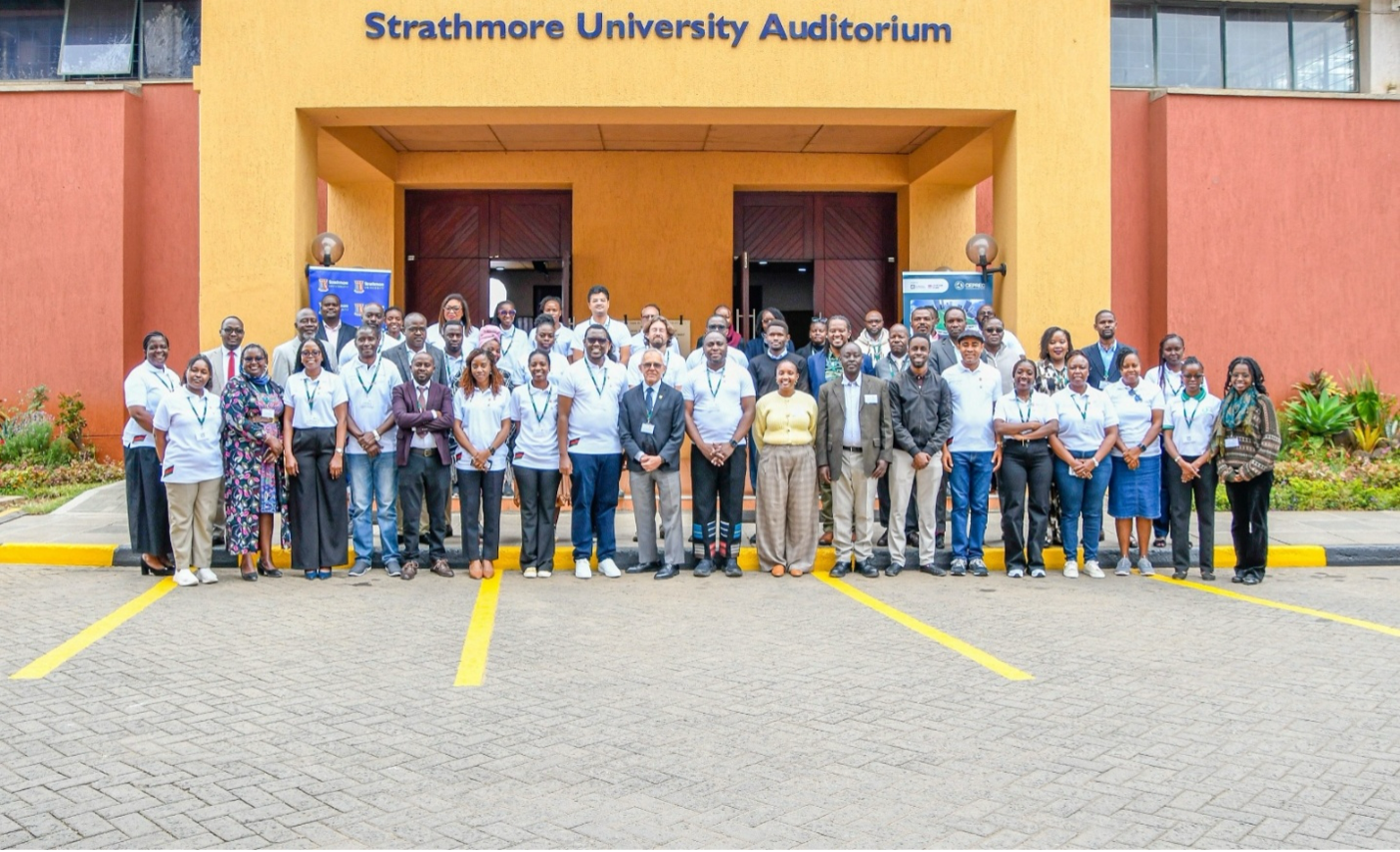
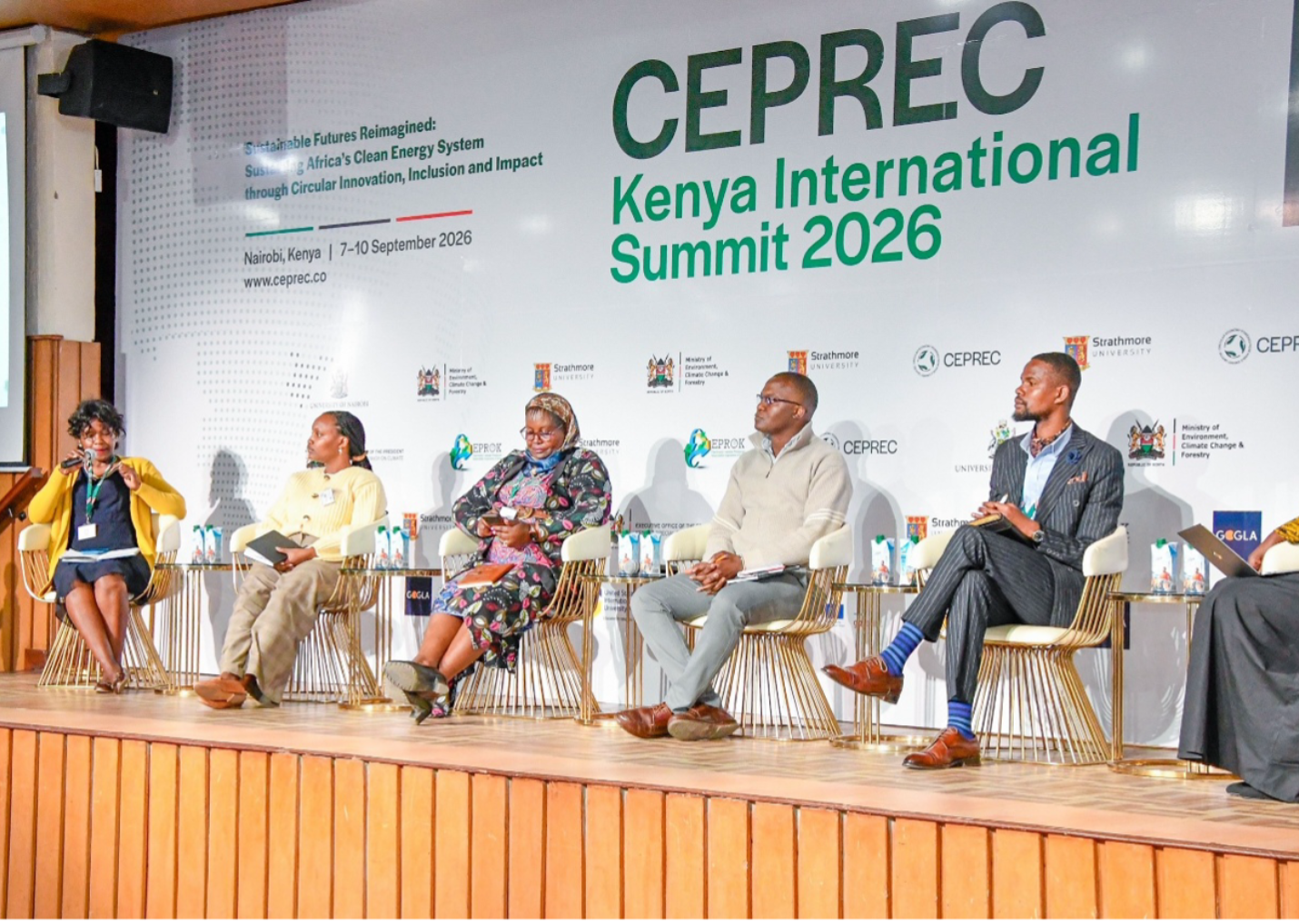
CLASP, through Efficiency for Access, participated in the CEPREC International Summit 2026, held from 7 to 10 September at Strathmore University in Nairobi, Kenya, with the theme “Sustainable Futures Reimagined: Sustaining Africa’s Clean Energy System through Circular Innovation, Inclusion and Impact.”
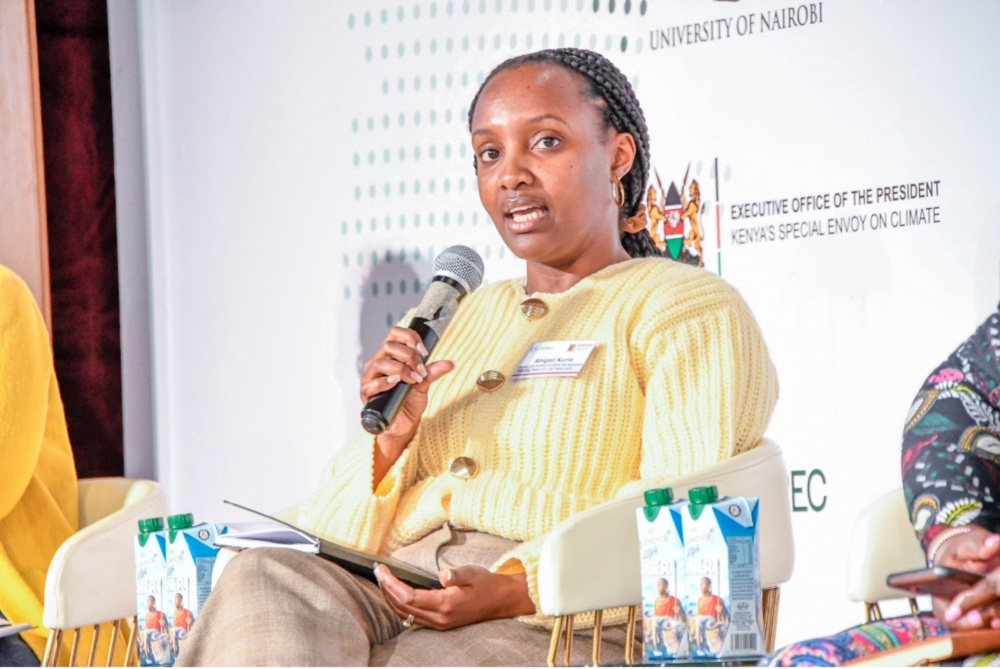
Represented by CLASP Senior Associate, Abigail Kuria, and CLASP Manager, Ruth Kimani, CLASP contributed to discussions on how circular economy principles, including reuse, remanufacturing, recycling and regeneration, can help build clean energy systems that are affordable, locally appropriate, and socially inclusive across Africa.
Here are some key takeaways:
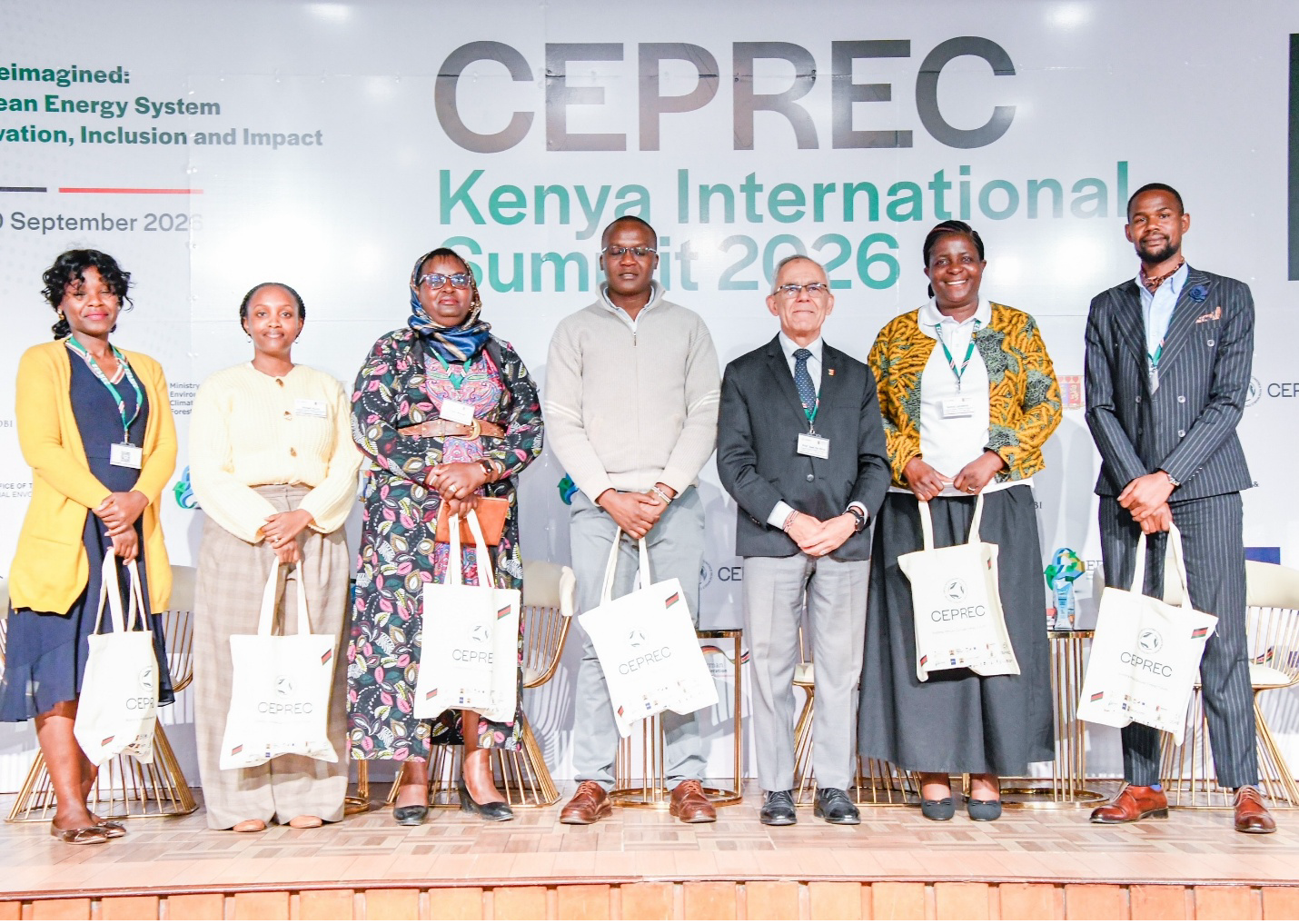
A key focus of the Summit was the role of people and partnerships in accelerating the clean energy transition. CLASP contributed to a panel on “Cultivating Africa’s Clean Energy Talent: Capacity Building, Knowledge Exchange and Inclusive Partnerships,” which explored the skills, knowledge and institutional partnerships needed to support Africa’s rapidly evolving clean energy sector. Discussions emphasised that investment in technology must be matched by investment in people, with training linked to practical opportunities such as internships, apprenticeships, employment and career progression.
The Summit highlighted the importance of recognising and integrating the informal workforce. Many informal workers already possess valuable technical skills, market knowledge, and established networks. Creating pathways to recognise and build on these capabilities could support both livelihoods and the development of stronger clean energy value chains.
Innovative financing mechanisms are crucial to help scale circular solutions. Different actors across the e-waste value chain, including collectors, aggregators, transporters and recyclers, have distinct capital requirements. Developing financing mechanisms suited to these needs, alongside viable and bankable business models, will be important for scaling circular solutions.
Gender inclusion remains an overlooked but critical aspect of educational programs and initiatives. While women’s participation in the clean energy sector is growing, women remain concentrated in many lower-value and informal roles. Participants stressed the need to create clearer pathways into technical positions, formal employment, higher-value roles, and leadership opportunities.
Technological innovation alone cannot deliver a circular clean energy transition; progress will require an enabling ecosystem encompassing credible standards, appropriate regulation, skilled workers, investable business models, institutional capacity and collaboration across research, policy, industry, finance, and communities.
Overall, the CEPREC International Summit reinforced a central message: Africa’s clean energy transition must be circular, inclusive, and people-centred. Sustaining this transition will depend on deploying innovative technologies, as well as building the skills, markets, institutions, financing mechanisms, and partnerships needed to turn innovation into lasting impact.
Efficiency for Access is dedicated to sustaining this transition. We are committed to working with partners to promote high-performing, energy-efficient appliances that work for both the people who use them, as well as the planet.