The Women Who Stopped Waiting for Rain
A women's collective, Naanyu Dupoto, in Kenya adopt solar-powered, climate-friendly technologies to grow produce sustainably.
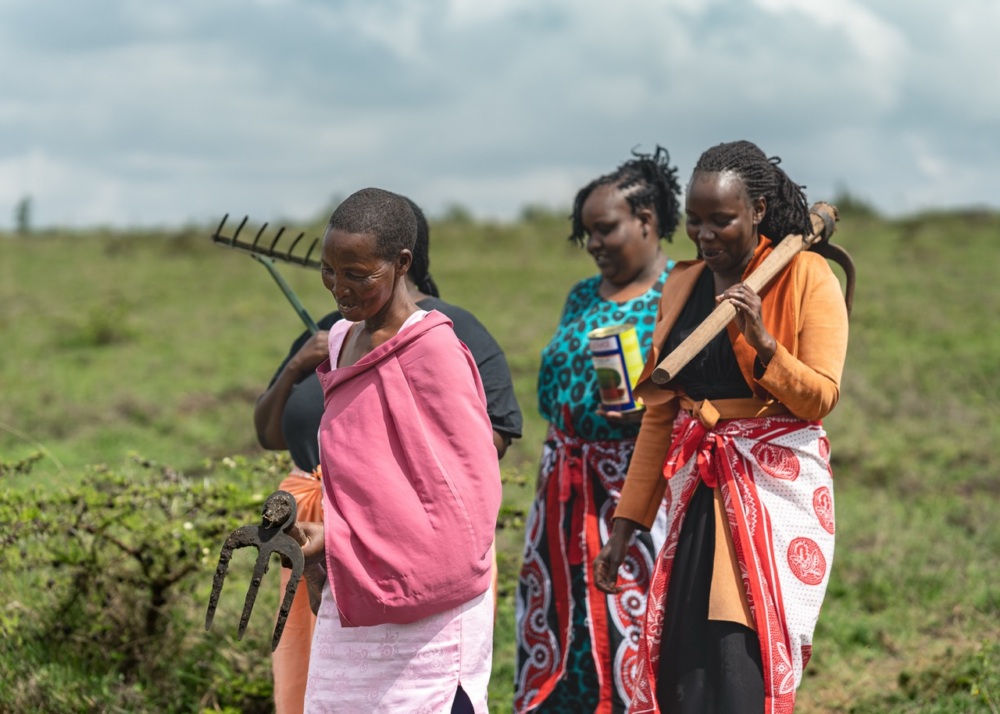
For Esther Lila, life in Kenya’s semi-arid Kajiado County comes with multiple challenges: inadequate rainfall and a lack of groundwater limit her ability to engage in income-generating activities like crop farming. By contrast, families in the area see livestock farming as a less challenging activity despite the high competition for pasture and limited water sources. However, in 2021-2022, a major drought in Kajiado led to the deaths of many of the livestock, resulting in a loss of income and disrupted livelihoods for Lila and her family and friends.
Turning to climate-smart solutions
At the time, Lila was part of a group of women called Naanyu Dupoto based in Oloika village in Kajiado. The group started in May 2011 as a savings circle, where members pooled money to support each other. For years, like most families in the area, they depended on keeping livestock to earn a living. When the drought hit, it became clear to them that they needed to find an alternative mode of making money, and they decided to adopt vegetable farming to support their families.
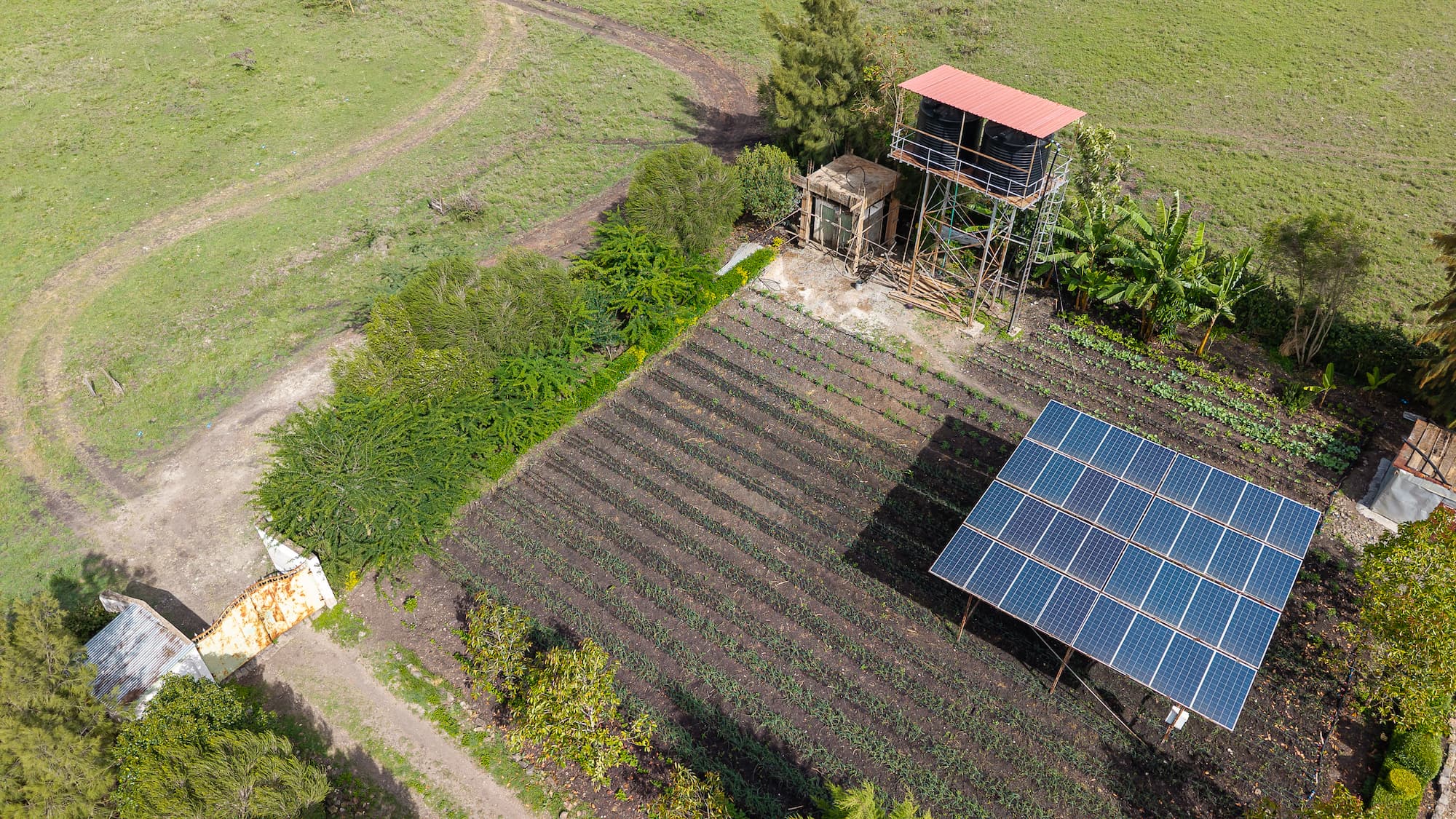
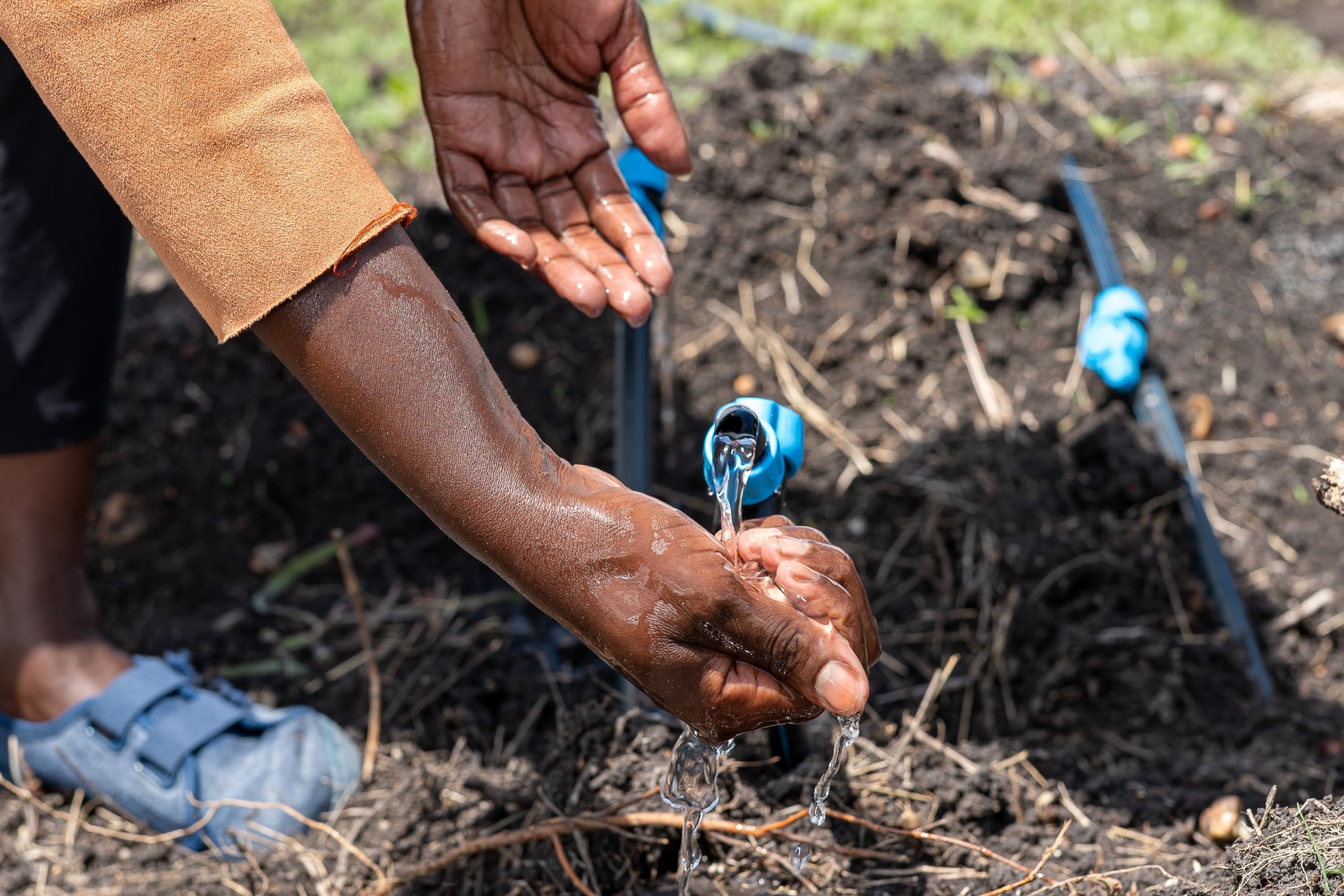
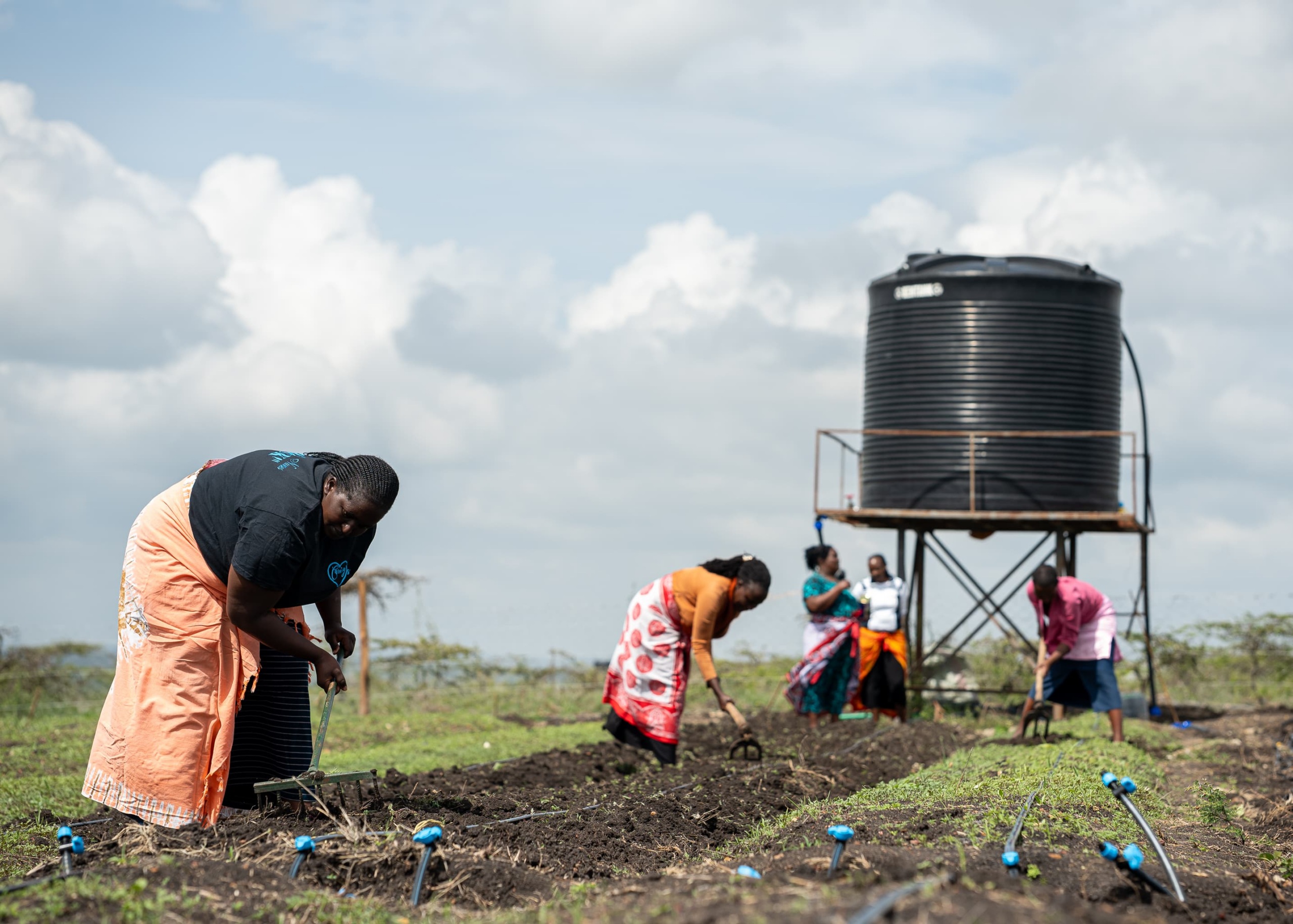
With help from local farming advisors and the county government, Naanyu Dupoto learned how to practice climate smart agriculture by adopting new irrigation technologies. In 2023, the group partnered with the county government for capacity building in climate smart agriculture on a one-acre farm. In July 2025, with additional funding from CLASP through the Efficiency for Access Coalition, the group was able to double their one-acre farm to two acres. With an expanded farm, the women started using drip irrigation infrastructure, including a 10,000-liter storage tank to maximise the submersible pump’s capacity and commercialise the agriculture venture. Through these irrigation practices, the women can farm all year round and consistently sell that generates income and feeds their families.
James Mathau Muthui, Senior Superintendent of Police, has been serving as a trainer and supplier of indigenous trees to the Naanyu Dupoto group. Through his guidance, the group has been able to supplement their crops with indigenous seedlings:
“I saw their lives revolve around pastoralism. When it comes to the dry seasons, they have a challenge. I tried to teach them the best [tree] species…to plant so that when it comes to the rainy season, they can supplement what little food there is with their source of livelihood. I tried to source some indigenous seedlings and show how they’re beneficial to livestock management and production. They’re important species when it comes to livestock production and can help them in the dry season to become a source for their crops.”
Bigger harvests and better livelihoods
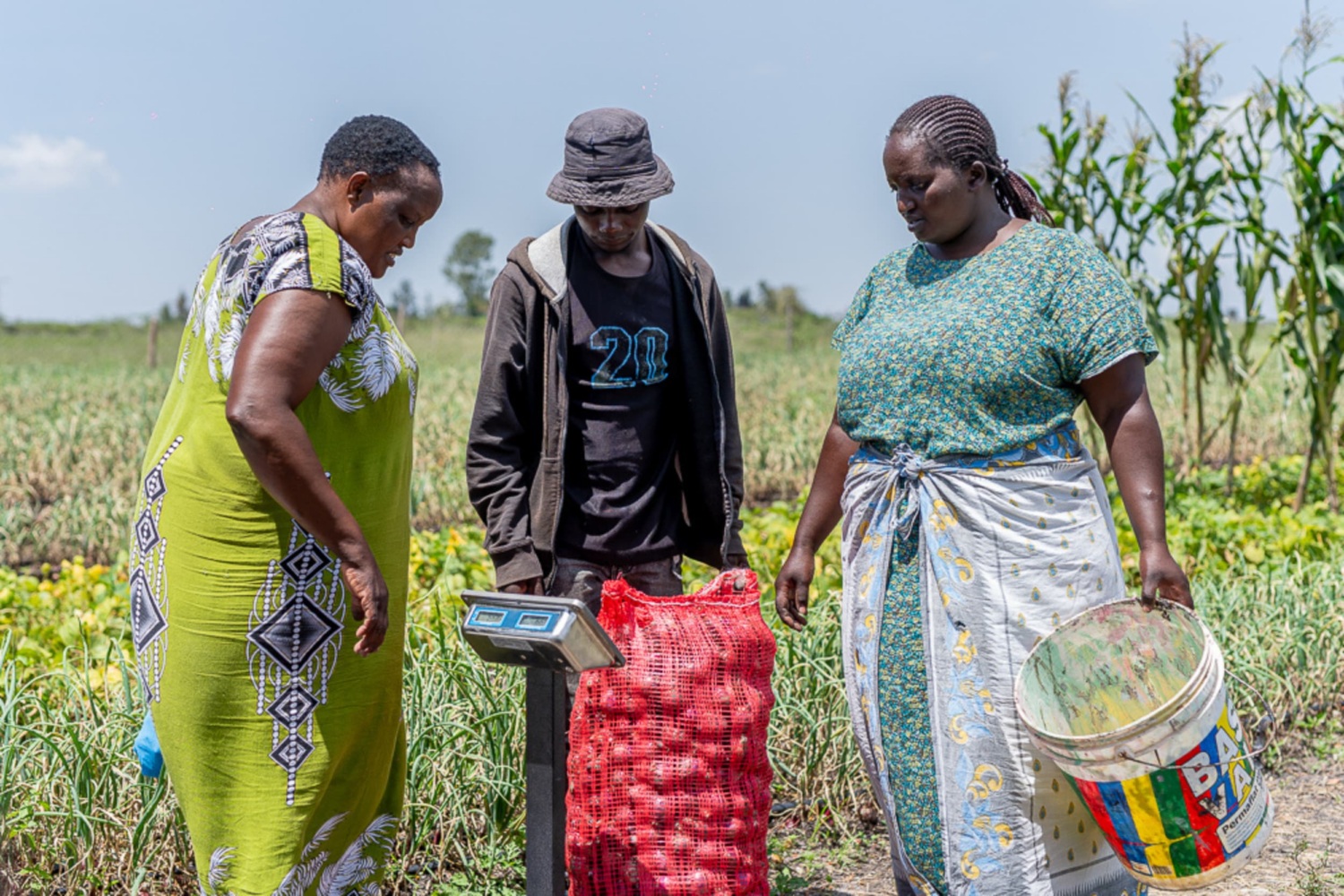
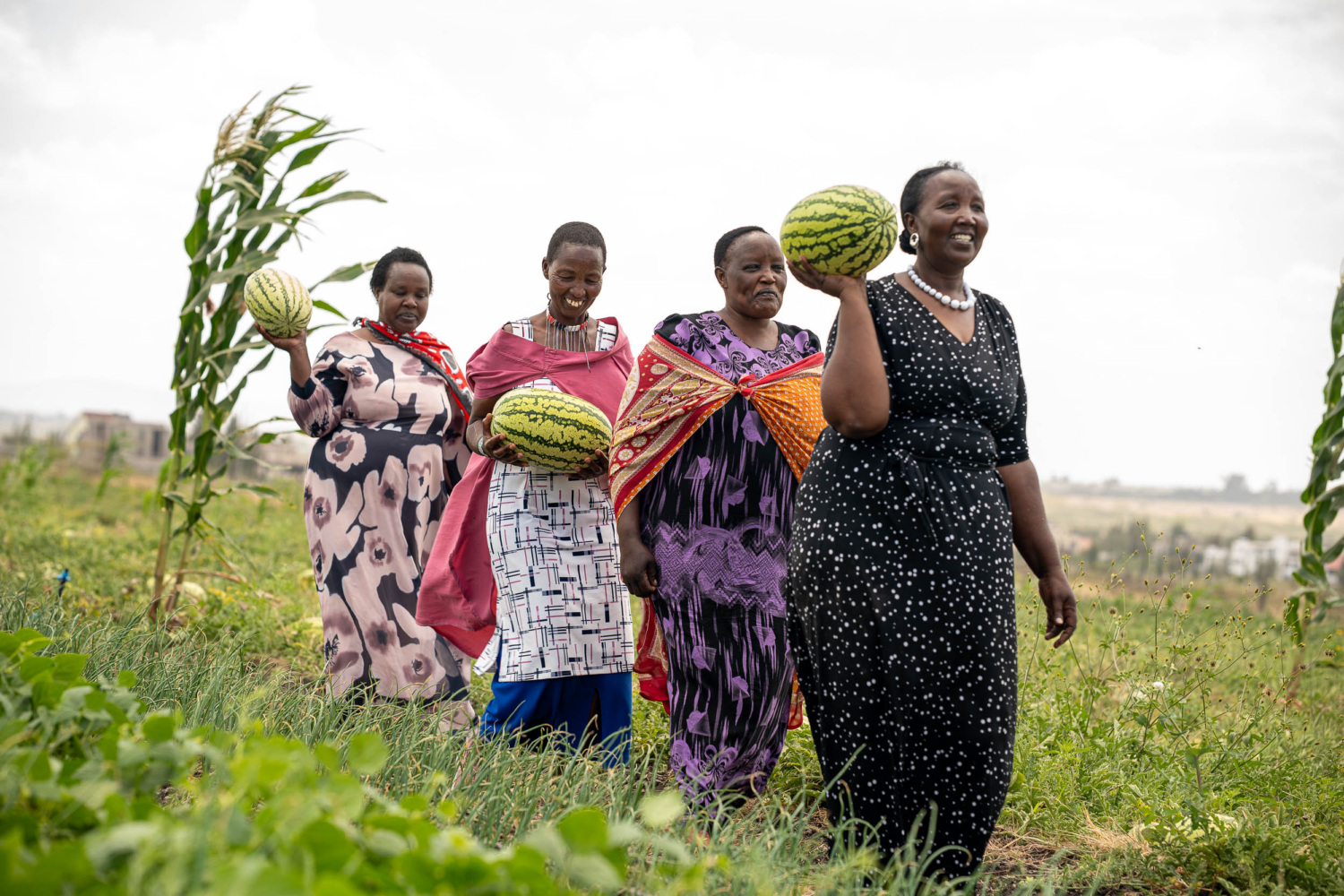
During the two-acre farm’s first harvest, the group harvested onions and watermelons worth about KES 469,075 ($3,600 USD). This was more than quadruple what they raised from their one-acre farm, which generated less than KES 100,000. This substantial increase in revenue has given the women a financial independence that has empowered them to expand their farming activities, planting fruit and other indigenous types of trees. Alongside the increased incomes, the farm has also created employment, with one full-time job for a farm manager and seasonal work for 25 laborers who support with the harvesting, weeding, and transportation to market.
Jane Tiyanga Michael serves as the treasurer of Naanyu Duputo and has watched how the farm has enabled the group’s women to better support their households and limit reliance on their spouses for household support.
“Right now, we are not fully dependent on our spouses for household needs. Traditionally, Maasai women would not be allowed to go out of the household or engage in farming activities. We are glad that it is now possible to do farming and make our own money,” Tiyanga says.
As the chairperson of Naanyu Duputo, Lila also comments on how pivoting to sustainable agriculture has made it possible for the group to stabilise their incomes and diversify their revenue streams.
“There was a time we used to buy goats or sheep, [rearing] them for a year before we sold for a profit. Before they would mature, drought would hit and pastures would disappear, making it hard to continue feeding the livestock,” she says.
Lila also observes how the diverse produce they’re growing has contributed to enhanced health and nutrition for members of her community.
“We mostly plant onions and watermelons. We also have blocks where we have planted cabbage. We used to have a high incidence of malnutrition because we lacked essential minerals and vitamins from a balanced diet. Since we started doing farming, we are able to sustain ourselves with a balanced diet,” says Lila.
A model for gender equity and climate-resilient agriculture
Despite their growing role in society, rural women are still operating under serious constraints, including extreme poverty, low or no education, little or no exposure to new and sustainable agriculture, hectic domestic responsibilities, and inadequate access to credit or financing facilities.
Naanyu Dupoto shows how renewable energy, when combined with efficient appliances, leads to increased income, stronger businesses, reduced reliance on fossil fuels, and improved lives, especially for the women living and working in rural areas
Through the Low Energy Inclusive Appliance (LEIA) programme, CLASP continues to work closely with its local partners to ensure that the farmers have access to technical assistance. The grants and subsidies provided are meant to enable small businesses, entrepreneurs, and households to purchase energy-efficient technologies at favourable prices, allowing them to grow over time.
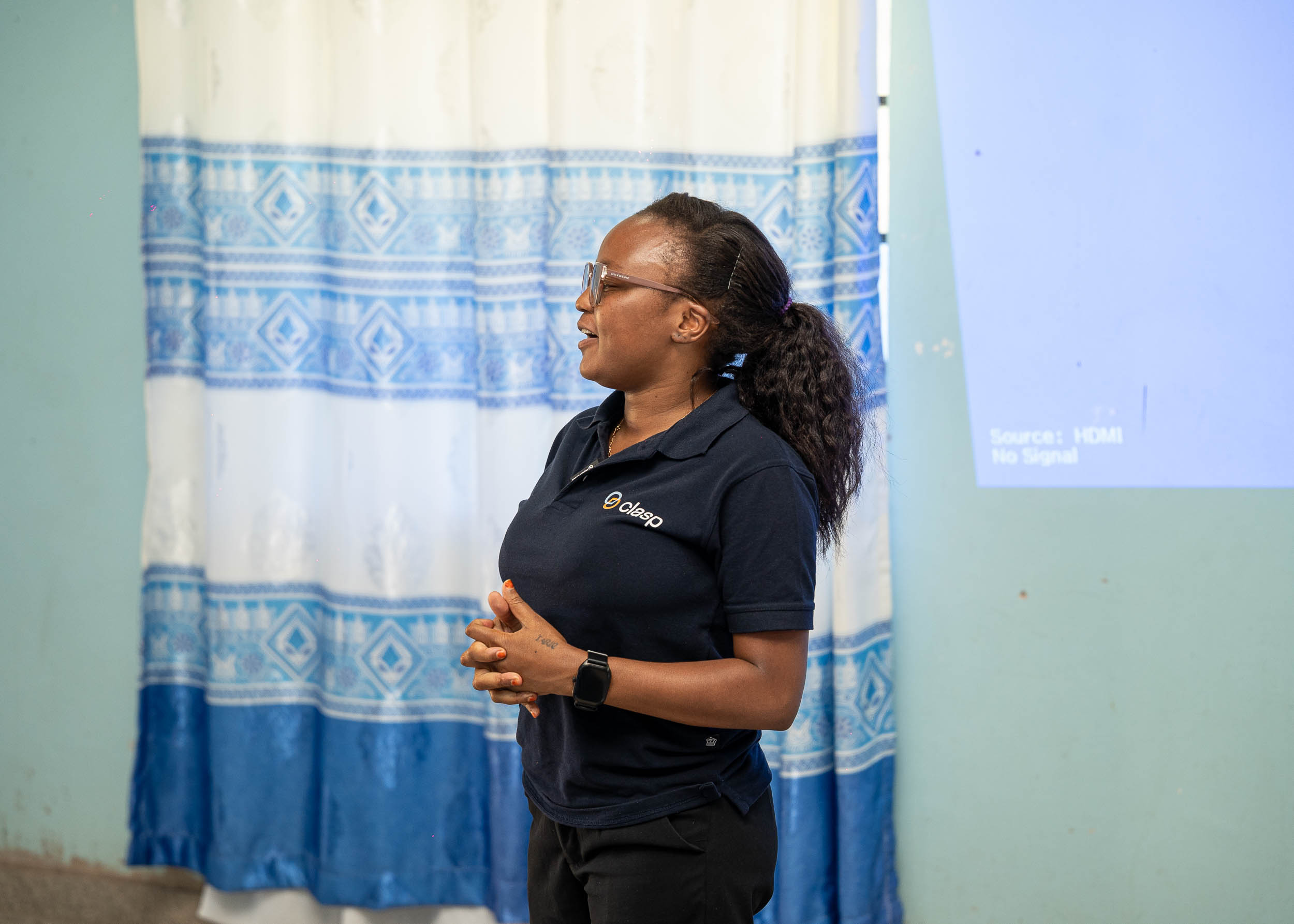
‘’Naanyu Dupoto demonstrates that energy access alone is not the end goal,” says Saumu Ismail, Senior Program Associate at CLASP. “It is what people are able to do with that energy that transforms lives. By leveraging access to energy and energy-efficient technologies, the women have been able to increase their income and strengthen food security in one of Kenya’s most climate-vulnerable regions. This is the kind of market-led impact CLASP aims to catalyse”.
The adoption of solar-powered irrigationis opening up opportunities for those living in vulnerable regions to increase their productivity. As the effects of desertification continue to intensify, solar-powered irrigation will help farmers in Kenya and across Africa to harvest sufficient food that benefits their businesses, families, and communities.
Watch the news video below featuring Senior Program Associate at CLASP, Saumu Ismail, speaking about the project.