Young Talent is Powering Kenya’s Solar Irrigation Push
As Kenya's farms turn to solar systems, a new generation is stepping up to build and maintain it.
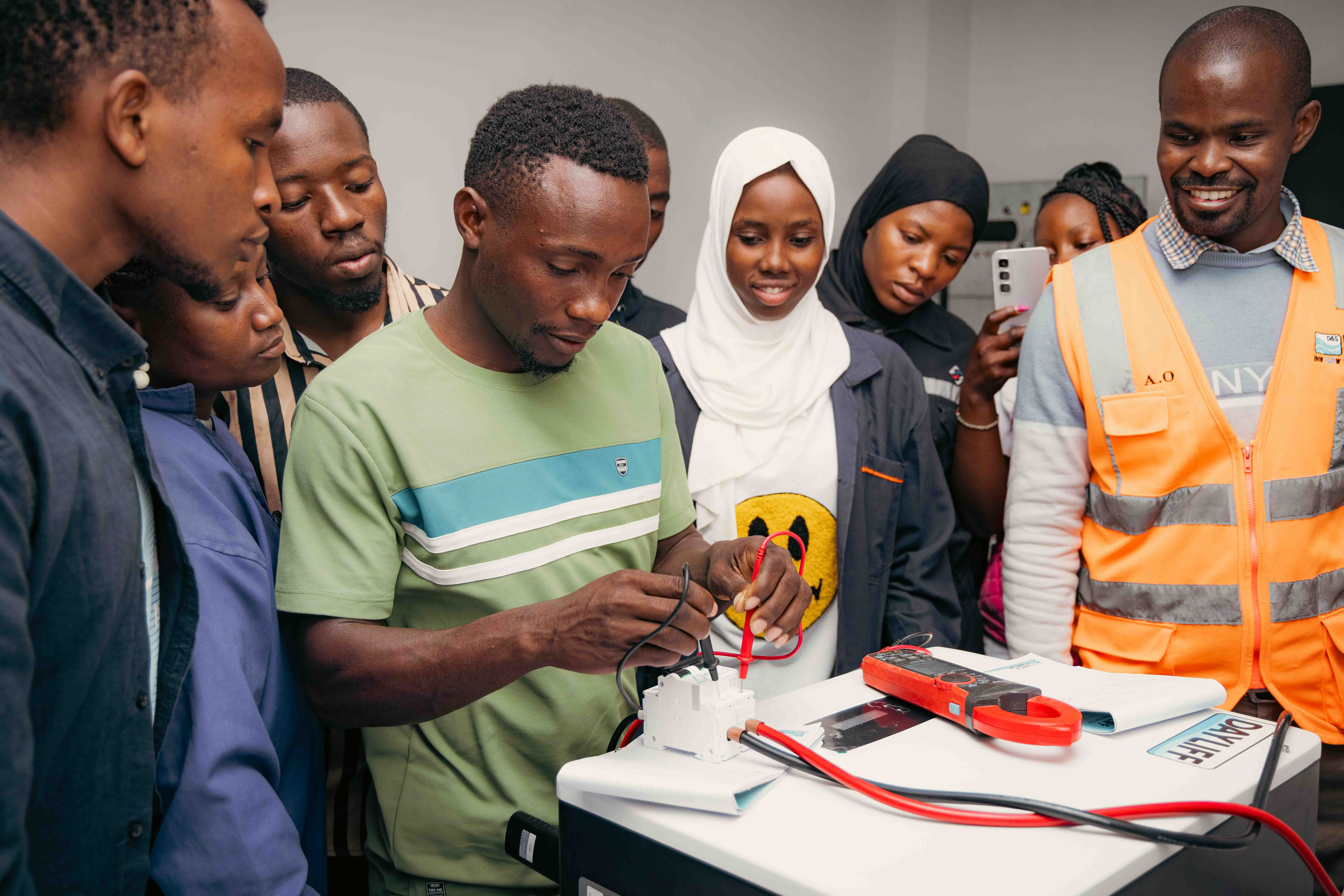
For Peter Muthama, the golden late afternoon sun spreading its refreshing rays over Tatu City signals the end of a very enriching day at Davis & Shirtliff’s Engineering Centre. A gentle breeze carries the faint hum of distant traffic mixed with a slight trace of solder and plastic from the training hall. Outside the modern glass-and-steel building, Muthama stands with fellow trainees for one final group photo. They all appreciate that it has been a fulfilling day. He is an engineering student at Ndia Technical and Vocational College in Kirinyaga County and is among a cohort of 47 young people selected from Technical and Vocational Colleges to undertake practical training on solar powered irrigation systems.
At twenty-three, the soft-spoken young man has spent the entire day immersed in the practical world of solar-powered irrigation systems. He has received training on piping, assembling pump controllers, troubleshooting common faults, and learning how to apply irrigation methods on farms. He says he is lucky to have been a part of the training.
“As a young person, I have learnt a lot about irrigation and water and energy conservation. I have had the privilege of interacting with highly knowledgeable trainers here who have passed on skills to us. What I have learnt here will help me support my community to reap the benefits of solar irrigation,” says Muthama.
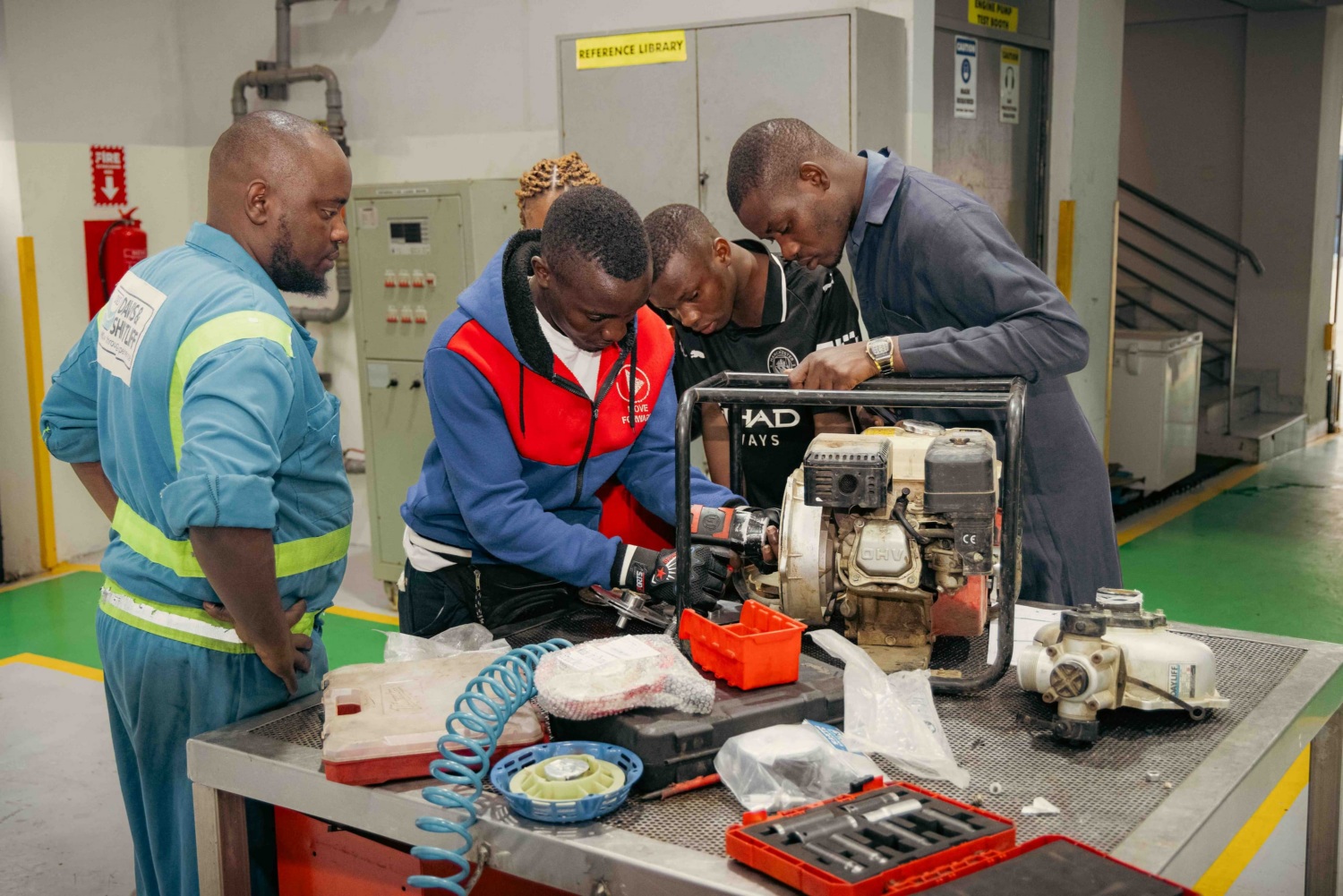
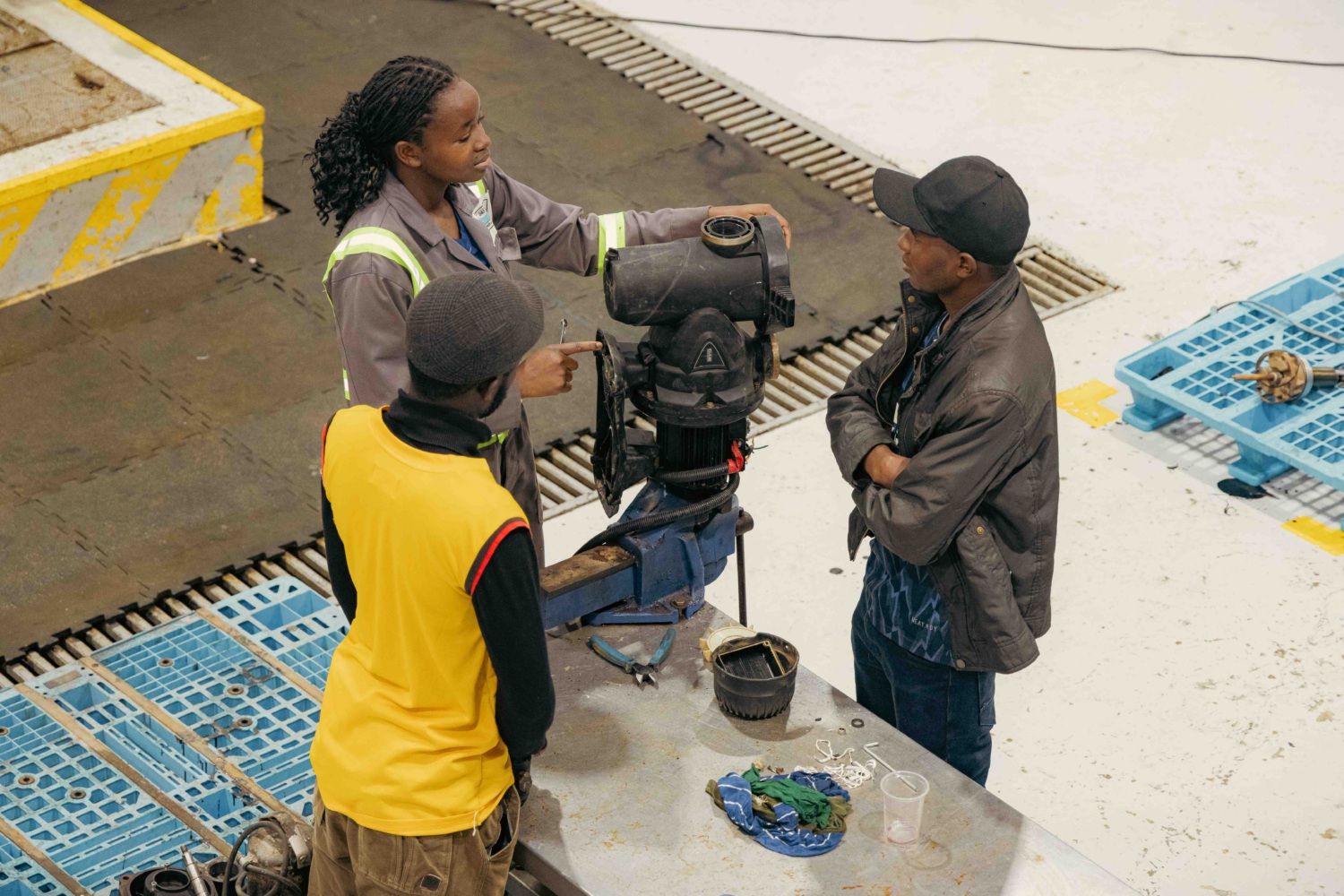
Like Muthama, his fellow trainees are happy to have been a part of Davis and Shirtliff’s (D&S) week long practical training on SPIS. The training covered key modules including solar energy, pumping systems, irrigation, maintenance & troubleshooting, sales and health & safety. As part of the practical irrigation sessions trainees visited a demonstration farm on the D&S premises, where they gained hands-on exposure to different irrigation methods and how these can be applied in real farm settings. A core objective of the training is to strengthen the trainees technical and soft skills so that they are better equipped and prepared to enter the job market.
The training is funded through the Efficiency for Access program (EforA) with support from the IKEA foundation and the UK government via the Transforming Energy Access platform. It aims to connect rural Kenyan youth with employment opportunities in solar-powered irrigation systems (SPIS) by equipping them with practical, market-relevant skills.
In the collaborative effort with partners, the EforA program is serving as the program funder and strategic lead as well as providing overall oversight and direction. EforA will also ensure that learnings are captured and shared with partners for effective assessment and pivoting where needed. Other partners on the project include Dalberg (design and learning partner), Davis & Shirtliff (technical training and jobs partner), and the Aga Khan Foundation (recruitment and community engagement partner).
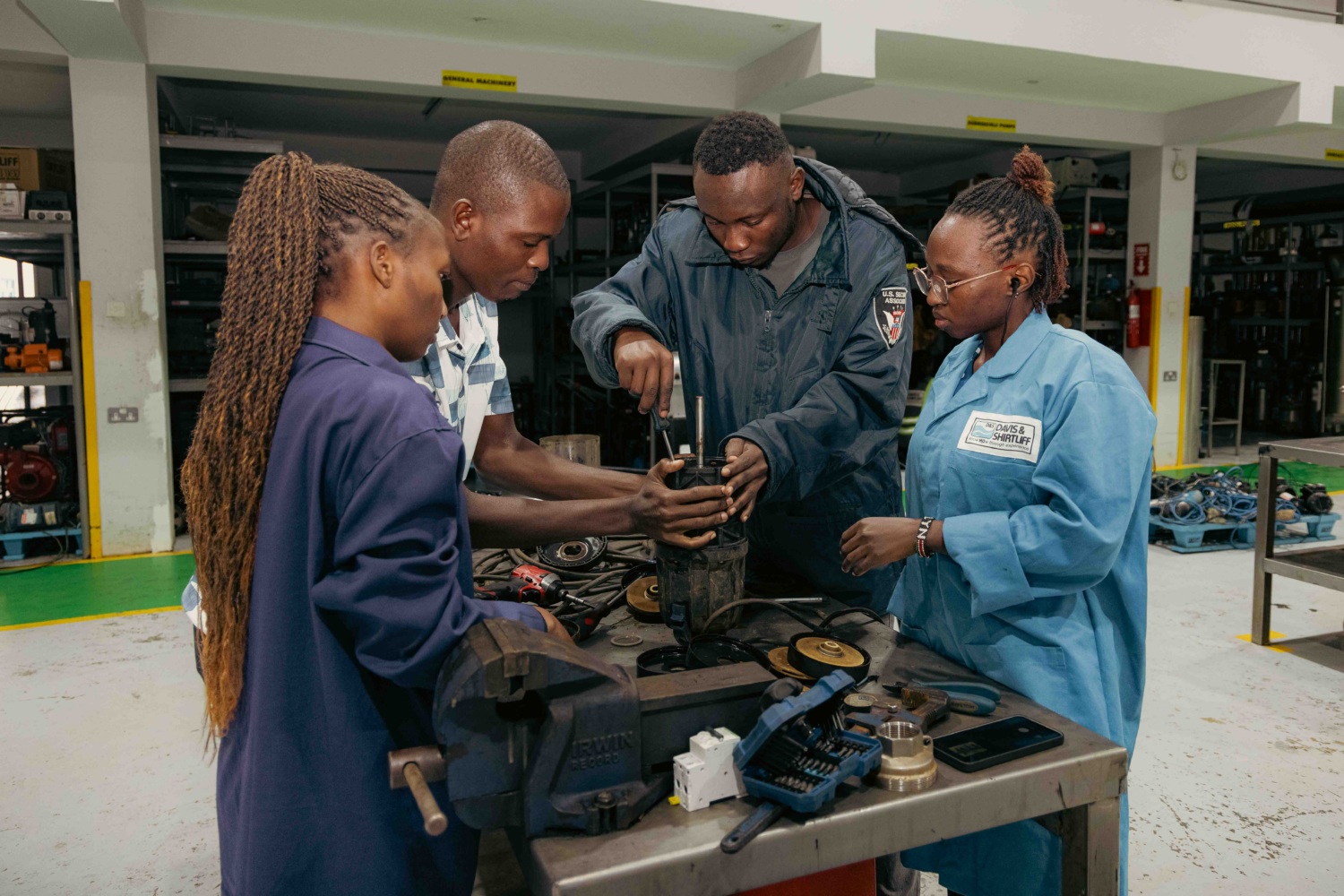
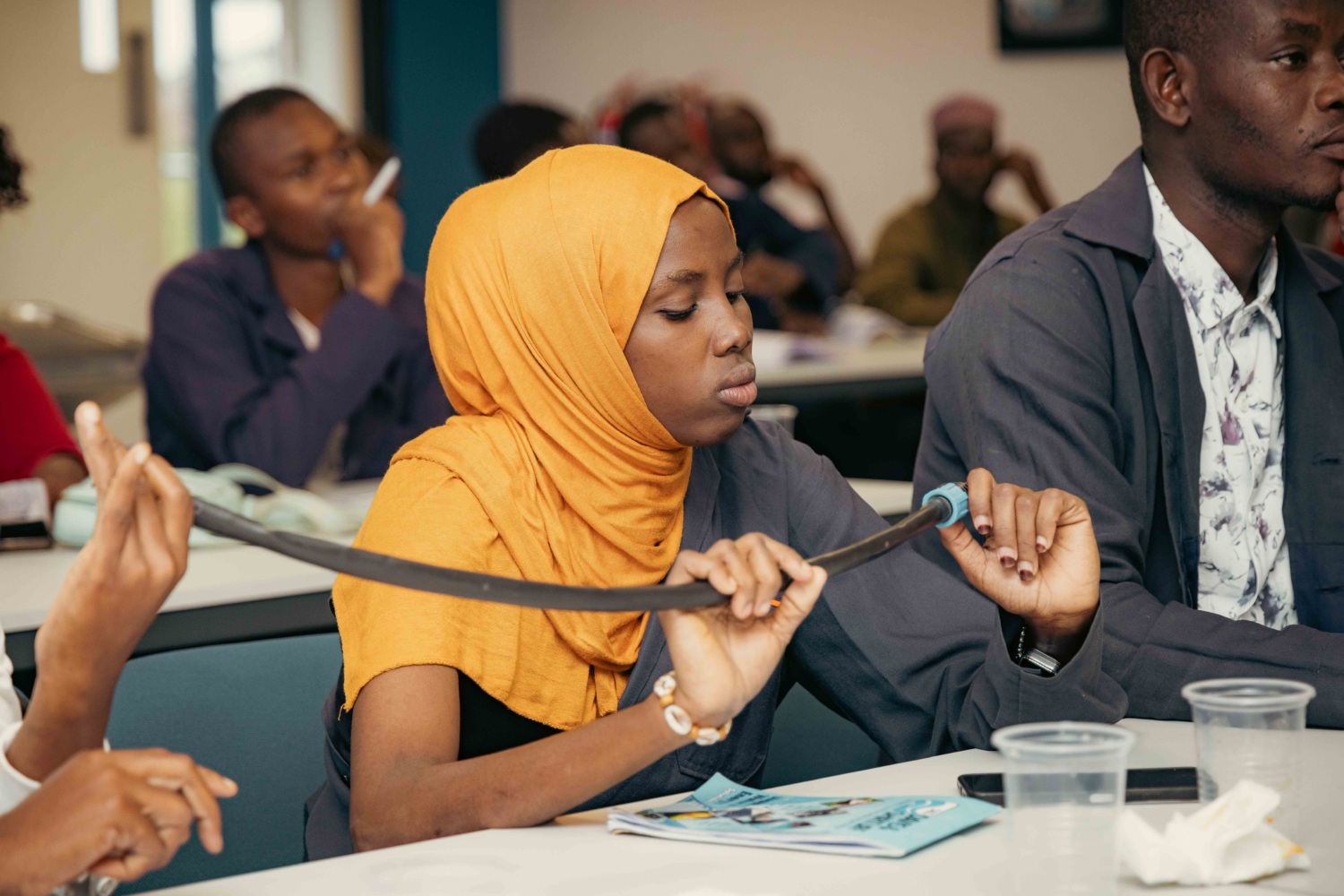
The training is a much-needed intervention to bridge the skills gap in the agriculture sector.
According to the Ministry of Labour and Social Protection, farming skills like irrigation and agricultural production are some of the most sought-after skills in the agricultural sector. This highlights the importance of expertise in irrigation and understanding of how this can help young people drive the growth and development of agriculture in the country. Acquiring and strengthening these skills will enhance the employability of young people and create more opportunities within the agricultural value chain. Moreover, investing in education and training programs that offer hands-on experience in these areas will also play a crucial role in increasing job prospects for young people.
Peris Neema, a trainee from Kinango Technical and Vocational College in Kwale County says the training made it possible for her to practically apply what she learnt in class and gain valuable insight into a wide range of skills required in solar irrigation.
“As a student of electronics and electrical engineering, I have gained valuable technical skills on solar irrigation. This includes pump installation, irrigation and agricultural engineering. I have been able to expand on what I learnt in class through the practical application of that knowledge in the field. I am now able to do piping and pump water from the source to where it is needed,” says Neema.
The project utilized a market-driven approach that closes a long-standing gap in practical skills in solar energy adoption and usage. A recent joint research by EforA and Dalberg showed a strong job potential in Kenya’s growing solar irrigation sector but identified growing disparities between existing training and the hands-on skills needed by employers and the private sector in installation, maintenance, and servicing of solar equipment and appliances. This project is designed to directly address this gap by training a select cohort of Kenya’s youth to equip them with both technical SPIS competencies and soft skills such as teamwork, critical thinking, time management, and personal action planning.
Philip Holi, Technical Director at Davis & Shirtliff says there is great value in linking the classroom with what happens in the field.
“While training institutions provide the necessary academic and technical foundations for green jobs, we also need industry players who provide the exposure to best practices in terms of real-life experiences in the field. This is why it is important to link industry and academia through targeted curricula. This program has been specifically designed to bridge the gap between academia and practical field experiences,” said Holi.
CLASP Senior Program Associate Abigail Kuria reiterated the need to equip Kenyan youth with necessary skills to drive climate resilient economic activities.
“This project is going to be a practical pathway into jobs in solar irrigation systems. Through our research, we have identified jobs that are coming up in the solar irrigation sector and the skills needed in those jobs. We have found a lot of gaps in practical skills training and linkages between academia and what is needed in the private sector. This has been mostly due to a lack of emphasis on practical skills development. The key objective of this project and curriculum is to address these shortcomings,” said Kuria.
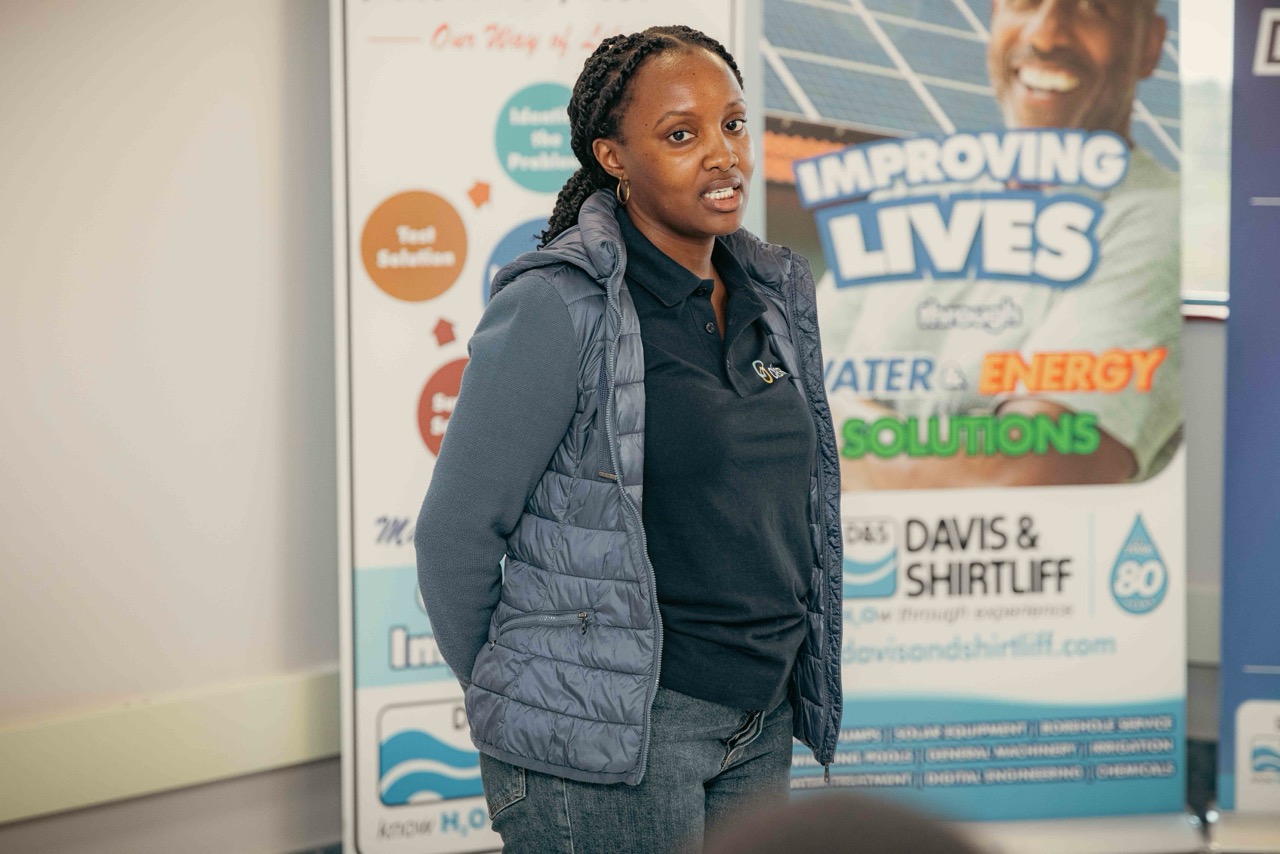
For Casperalvin Kibicho, a student of Electrical Engineering at Kirinyaga Central Technical Vocational College in Kirinyaga County, using his skills to help his community will be his greatest fulfilment.
“The Training has helped me acquire skills on how to use pumps, boreholes and renewable power sources like solar panels. Skills that I have learnt here will help me support my community in installing solar in the village and help others to gain knowledge in this field,” says Kibicho.
The project was structured into distinct phases to ensure trainees benefit maximumly from the training. It begun with curriculum development and TVET validation. During the validation workshop, participants including TVET instructors, industry experts, and development partners reviewed and provided feedback on the draft curriculum to ensure it meets both industry standards and Technical and Vocational Education and Training (TVET) requirements. The next phase included recruitment of 50 trainees from the 5 participating TVETs Ndia, Mwea, Kirinyaga Central, Kinango and Matuga. Davis & Shirtliff then delivered the technical training after which the trainees will be posted to Kirinyaga and Kwale for in-field training led by the Aga Khan Foundation (AKF). They will then be attached to AKF for 3 months of internship and will benefit from structured apprenticeship placements that will pair them with experienced teams and connect them to real farmer demands. Finally, the trainees will be onboarded onto the D&S connect platform that will link them to ongoing service and job opportunities.
Daniel Muraya, Aga Khan Foundation Kenya Programme Director, noted that the program will also equip trainees with the broad skills needed to thrive in modern workplaces, including collaboration, problem-solving, productivity, and reflective planning.
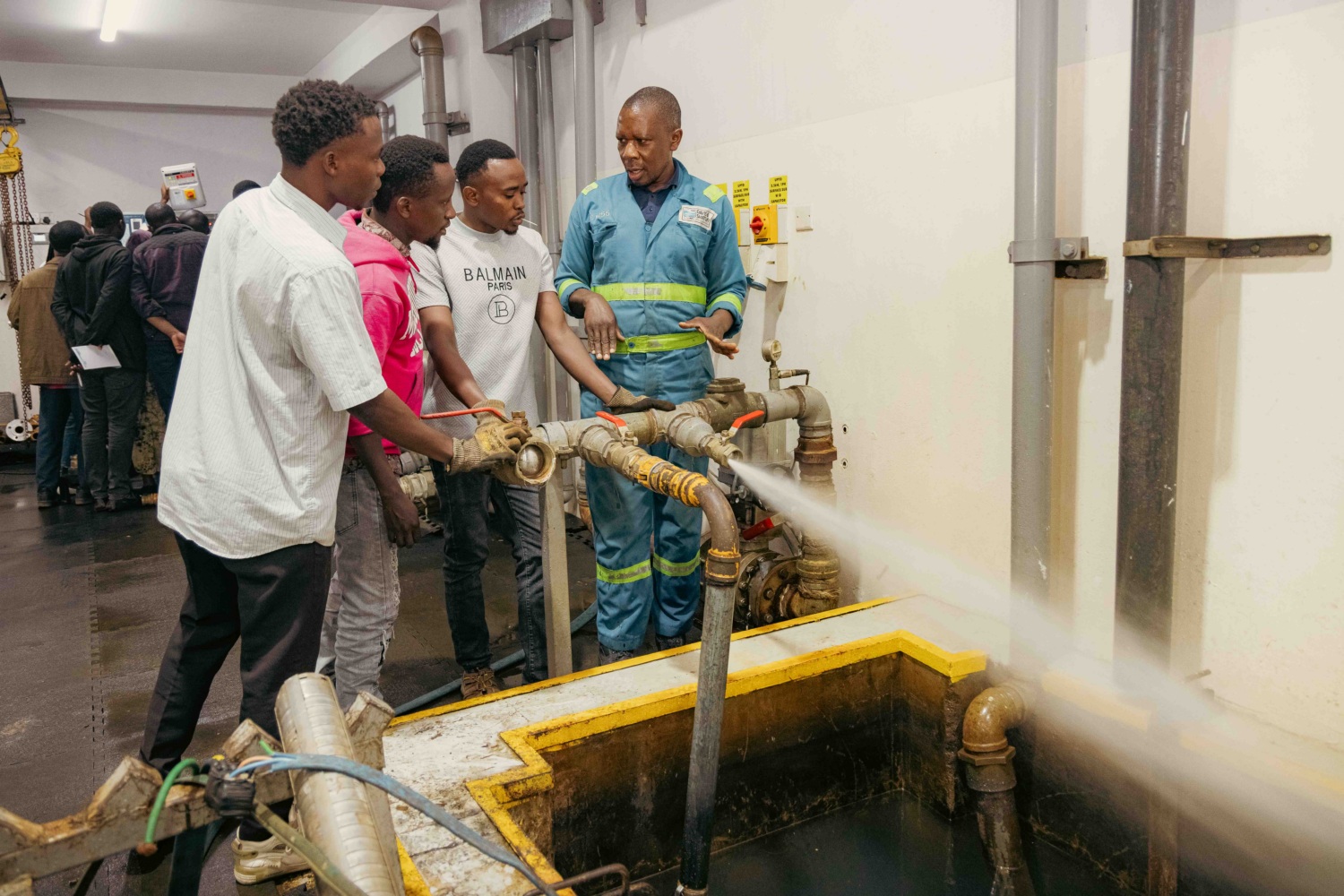

The curriculum’s objective is to equip young people with relevant skills, create reliable pathways into paid work, expand farmer access to reliable solar irrigation, and generate evidence that can inform larger-scale workforce programs across the productive-use renewable energy sector. In doing so, the project will support climate resilience, food security, and dignified livelihoods for rural communities.
As Kenya continues to develop economically, the demand for consistent food production to feed the country will keep growing. As the Kenyan economy adjusts to changes brought about by global disruptions like conflicts along key trade routes and the reduction of international aid, emphasizing modern farming techniques like solar irrigation will be crucial to absorb new farm-level workers, as well as to raise the incomes of those already engaged in agriculture. Over time, the growth in the broader food system will require a consistent supply of workers with the necessary skills to drive beneficial growth. As such, interventions like the Efficiency for Access program to train young people on solar irrigation will go a long way in unlocking opportunities for young people within the agricultural value chain.