What will it take to scale Productive Use of Renewable Energy in Kenya?
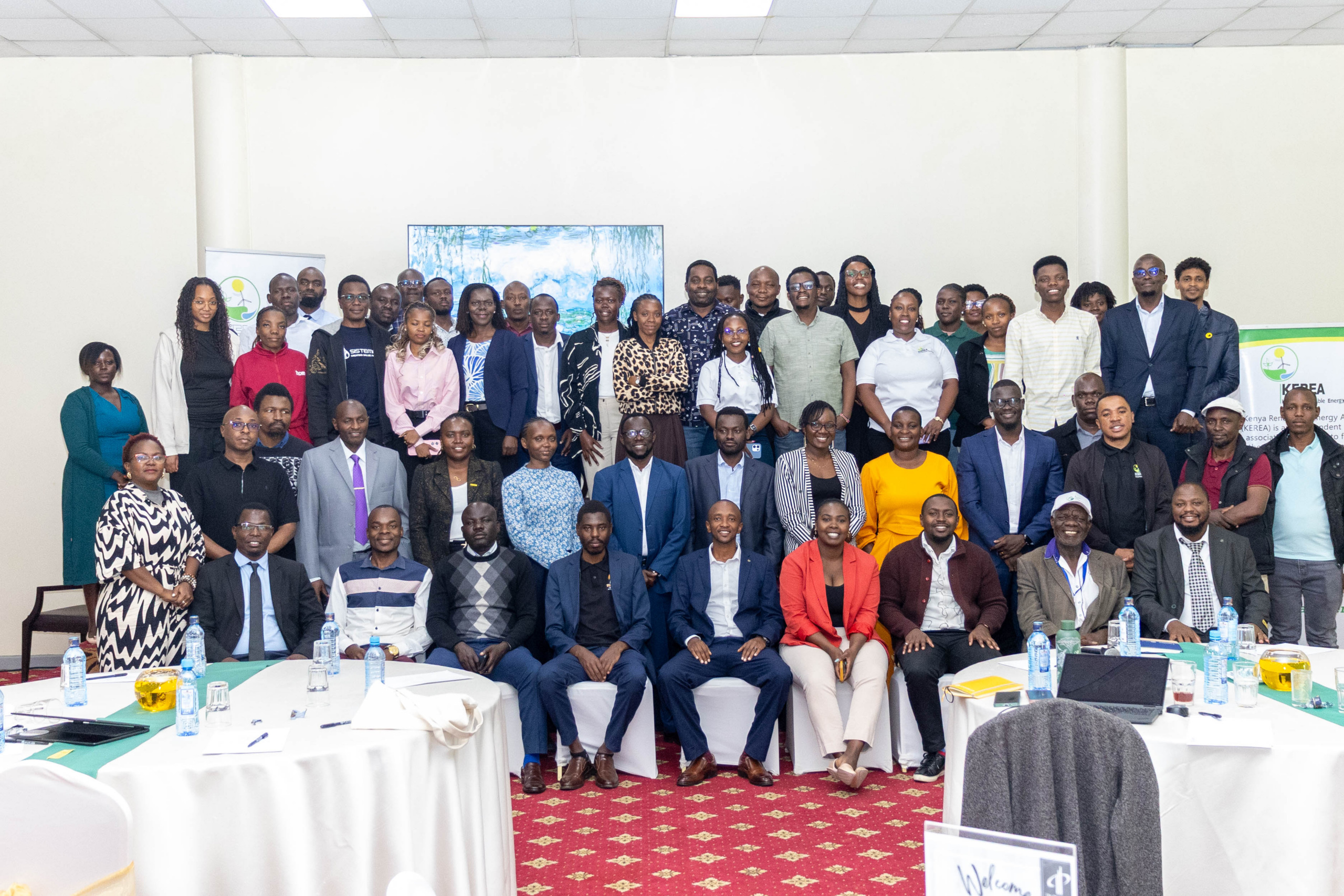
On 10 August 2026, the Kenya Renewable Energy Association (KEREA) organized the National Policy Dialogue and Showcase on Productive Use of Renewable Energy in Nairobi, Kenya.

On 10 August 2026, leaders and stakeholders interested in the potential of Productive Use of Renewable Energy (PURE) gathered in Nairobi to discuss the future of clean energy in Kenya and Africa more broadly. Organized by the Kenya Renewable Energy Association (KEREA), the National Policy Dialogue and Showcase on Productive Use of Renewable Energy at the Panari Hotel was a moment for appliance manufacturers, suppliers, policymakers, regulators, private sector leaders, development partners, and practitioners to hear from one another on the most exciting developments and biggest challenges in the decentralized renewable energy space. The goal? To find a pathway to turn decentralized renewable energy into a genuine engine for agricultural transformation, enterprise growth, and resilient livelihoods across the country.
A promising solution in a challenging landscape
According to the International Energy Agency, nearly 70% of new electricity connections in sub-Saharan Africa will come from distributed energy solutions by 2030. Technologies, such as mini-grids, solar home systems, and PURE appliances, like solar agro-processing equipment, solar water pumps, cold storage, etc., present a viable alternative to costly grid extensions, especially for rural and underserved communities where the grid either doesn’t reach or isn’t reliable. Beyond expanding access to electricity to the 500 to 600 million people in sub-Saharan Africa who still lack electricity, these solutions drive agricultural productivity, business development, job creation, climate resilience, and inclusive economic growth.
Despite its clear potential, investment in PURE remains limited, and the market still grapples with questions or product quality, consumer confidence, and coherent standards from national to county level.
Coordination and trust are keys for PURE technology growth
These challenges were top of mind for those gathered on 10 August. At one panel on county policies, planning, and market growth for PURE, participants unpacked operational efficiency and standardization approaches for appliances like solar water pumps, refrigerators, and cold rooms used to store agricultural products. The message was clear: the potential for distributed renewable energy is huge, but a gap remains. Policymakers, industry leaders, and other experts must work collaboratively to find pathways to deliver reliable clean energy paired with PURE appliances that—importantly—consumers can trust.
Martha Wakoli, Senior Manager at CLASP and panel moderator for a discussion on quality assurance and standards considerations for PURE appliances, emphasized the need for practical coordination across all levels of government to ensure smoother implementation of standards.
“It is important that we have increased coordination from the national level to the county level in implementation responsibility and mandate. There is an opportunity to collaborate with county officials to see how we can decentralize national standards so that they are being used at all levels of the county. For instance, I see no need for every county to have a different requirement for a water pump; the understanding should be that if it is good enough for one area, it should ideally be good enough for any other area of this country,” said Wakoli.

The importance of quality assurance in promoting PURE technologies
The importance of consumer trust was another theme that wove its way through discussions throughout the day. Sally Musonye, Senior Associate at CLASP, spoke about the role of quality assurance in building that trust by spotlighting the work of VeraSol, a global quality assurance program.
“We maintain an active, publicly accessible database of verified solar energy kits and appliances including refrigerators, solar water pumps, egg incubators, and more. This builds confidence not only for manufacturers producing quality products, but for consumers who can check that what they are purchasing has been tested and performs as claimed,” said Musonye.
VeraSol builds this trust by developing robust test methods that align with International Electrotechnical Commission (IEC) standards. These test methods are then adapted by regional and national bodies to meet local realities. In partnership with the University of Nairobi, VeraSol also uses laboratory testing to ensure that appliance verification happens close to the markets where the appliances are being used. Throughout the discussions, it was evident that quality assurance was a key building block to establishing trust with consumers.

Partnerships at the heart of change
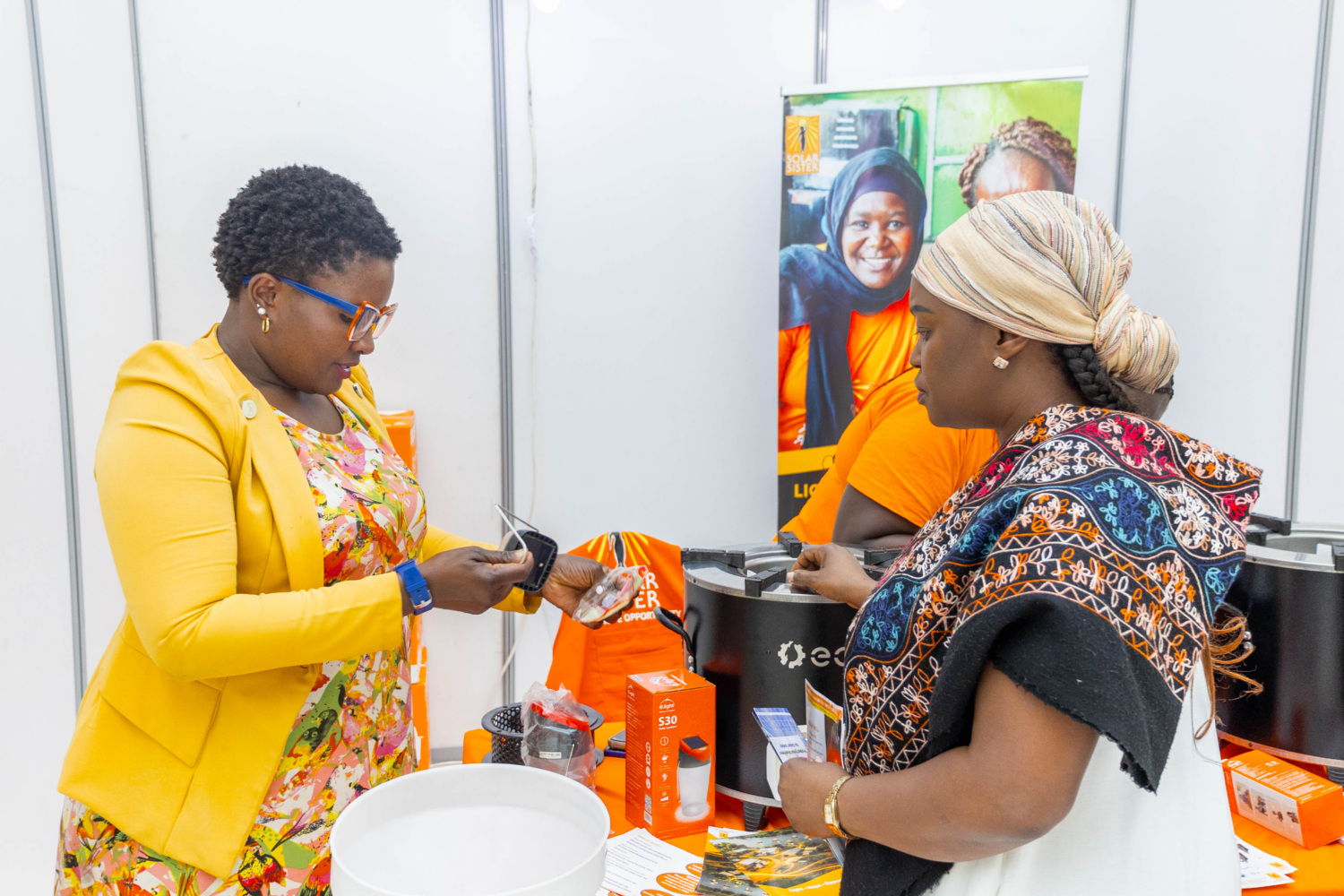
Beyond the panel discussions, the day also featured broader dialogue on county-level policies and market growth, and the presentation of a new White Paper on the “State of Policy Coherence and Adoption of Quality Assurance and Appliance Efficiency Standards for PURE in Counties.” A showcase of PURE technologies throughout the day also allowed participants to see PURE solutions in action and network across the ecosystem.
As ever, partnership remains the bedrock of true change, from local to national levels, and the event emphasized this necessity. As the Efficiency for Access Coalition, CLASP and VeraSol brought deep expertise in appliance performance, testing methods, partnership support, and market trust, while government institutions like the Energy and Petroleum Regulatory Authority (EPRA) and the Kenya Bureau of Standards (KEBS) grounded the conversation in regulatory reality. Alongside technical expertise and government support were private sector innovators, such as SunCulture and Davis & Shirtliff, who ensured that the discussion stayed connected to the practical challenges of manufacturing, distribution, and customer experience across multiple touchpoints.
Looking ahead
The conversations at the Panari Hotel marked an important step in embedding quality culture more deeply into Kenya’s PURE ecosystem. The real measure of success will be visible in the years ahead in higher consumer confidence, fewer substandard products in the market, stronger local testing capacity, and more farmers, entrepreneurs, and households benefiting from reliable, productive energy services.
The Efficiency for Access Coalition remains committed to supporting this progress through VeraSol and its broader work on standards, financing, and market development. Together with partners across government, industry, and civil society, Efficiency for Access will work to ensure that the next generation of renewable energy solutions in Kenya are not only accessible, but truly trusted.