Efficiency for Access’ Green Jobs Project Selected for WorldSkills Conference 2026
Efficiency for Access selected to participate in the inaugural Skills CoLab at the WorldSkills Conference in Shanghai for the team’s impactful and innovative work on youth unemployment.
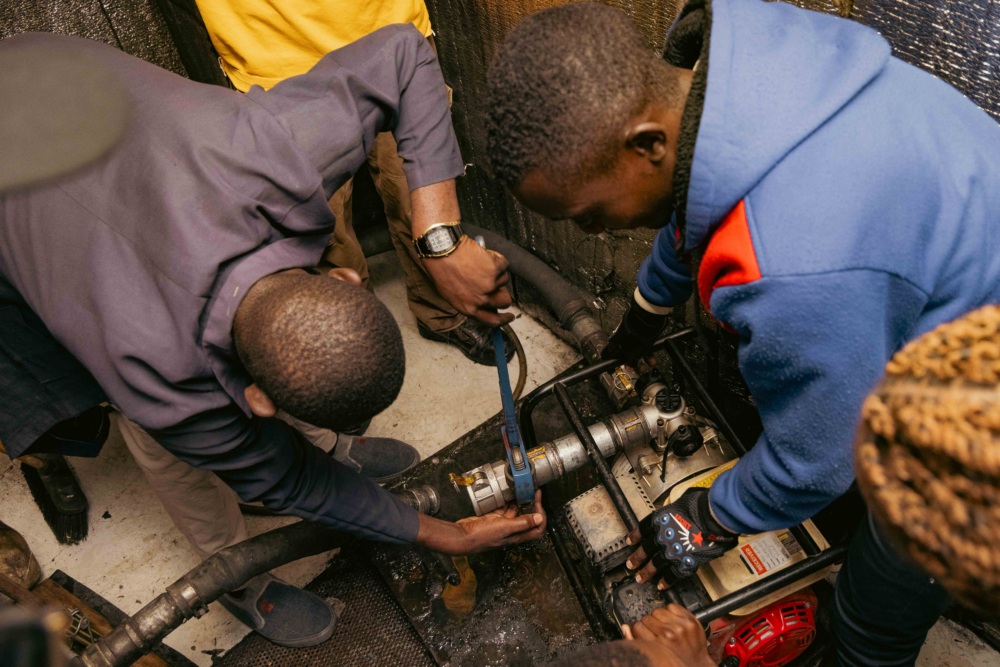
Efficiency for Access’ Green Jobs Project has been selected to participate in the inaugural Skills CoLab at the WorldSkills Conference at the NECC in Shanghai, China from the 23 to 25 September. Out of more than 130 submissions from 35 countries, this project was recognised by the selection jury as one of the most innovative, impactful, and internationally relevant.
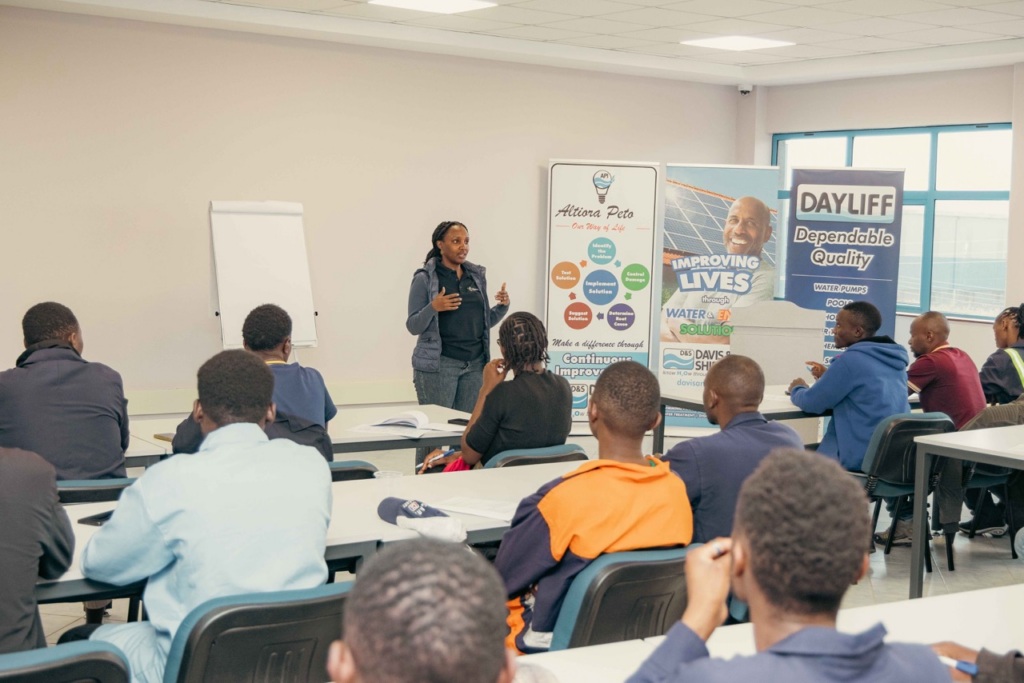
Abigail Kuria, Senior Associate at CLASP and manager of the project, will present at the Skills CoLab and speak about the significance of the project’s trainings in helping address youth unemployment in Kenya’s growing clean energy sector.
“I’m honoured to represent Efficiency for Access at the WorldSkills Conference in Shanghai, where I’ll speak about the work we’ve been doing to support workforce development for the growing green economy. These employer-linked trainings show what’s possible when we design skills programs around the jobs the clean energy access sector needs,” said Kuria. “I’m looking forward to sharing what we’ve learned in Kenya with other countries facing the same challenge, and learning from their approaches too.”
Meeting a growing need
Youth unemployment is one of sub-Saharan Africa’s most urgent challenges. With populations growing and economies under pressure, the need for meaningful, sustainable employment has never been greater. At the same time, clean energy is expanding rapidly across the region, creating demand for a workforce that does not yet fully exist.
Skills for solar-powered irrigation
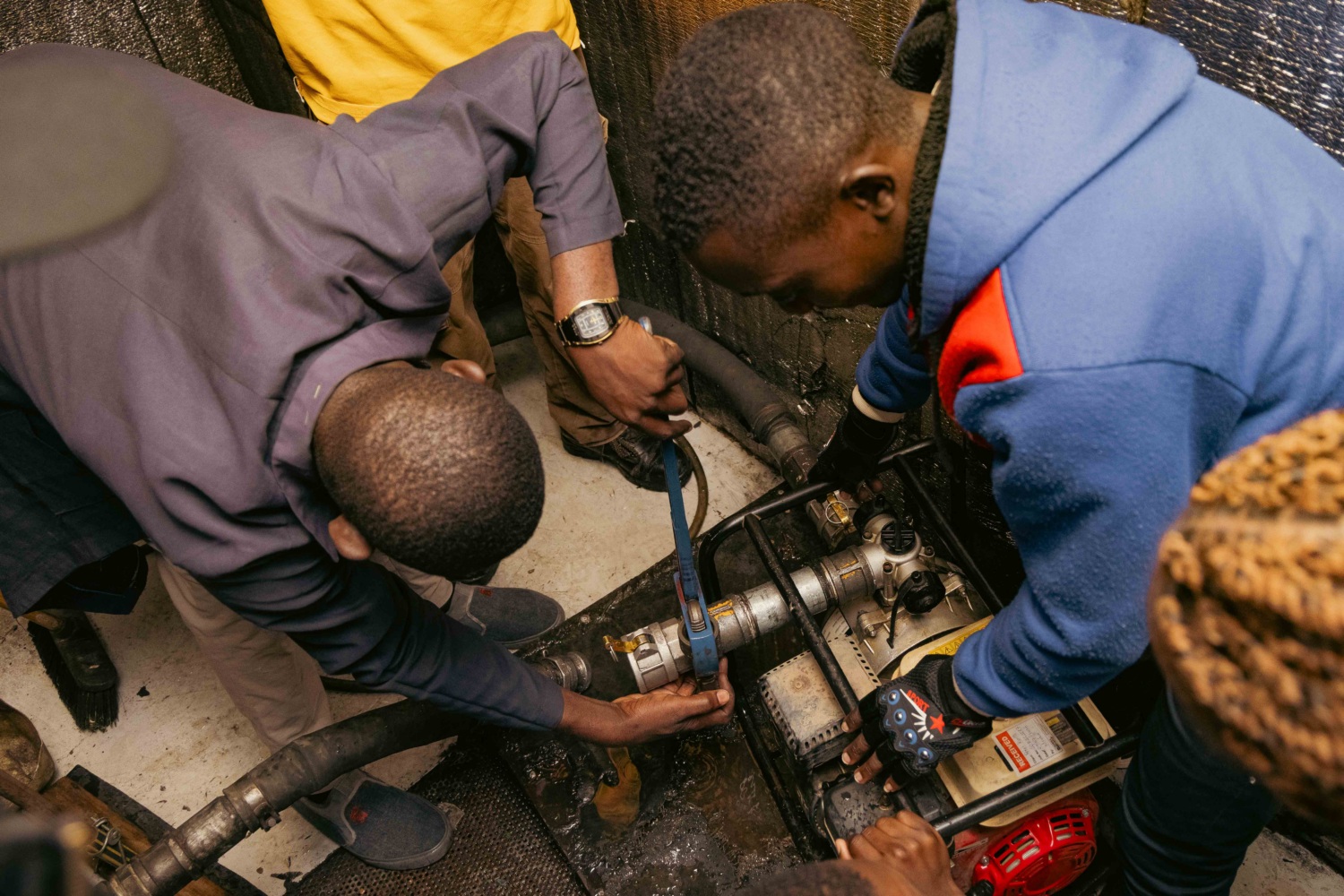
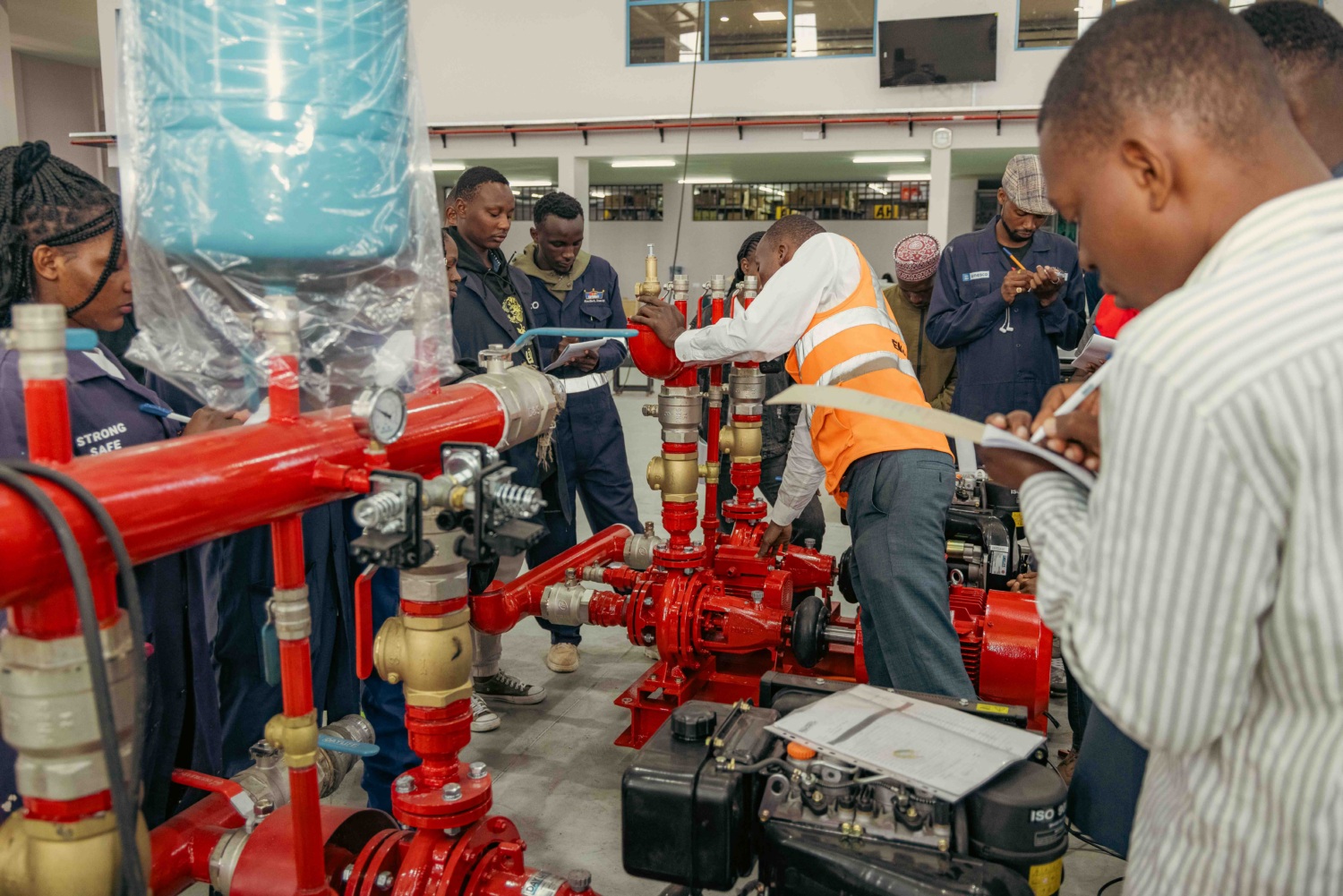
This first training aims to equip young people with the skills to sell, install, operate, and service solar-powered irrigation systems that help farmers increase yields and income. Fifty trainees from the five participating technical and vocational educational training (TVET) programmes in Ndia, Mwea, Kirinyaga Central, Kinango and Matuga recently attended a solar irrigation skills training led by Davis and Shirtliff as part of the project.
Welding skills for cleaner cookstoves
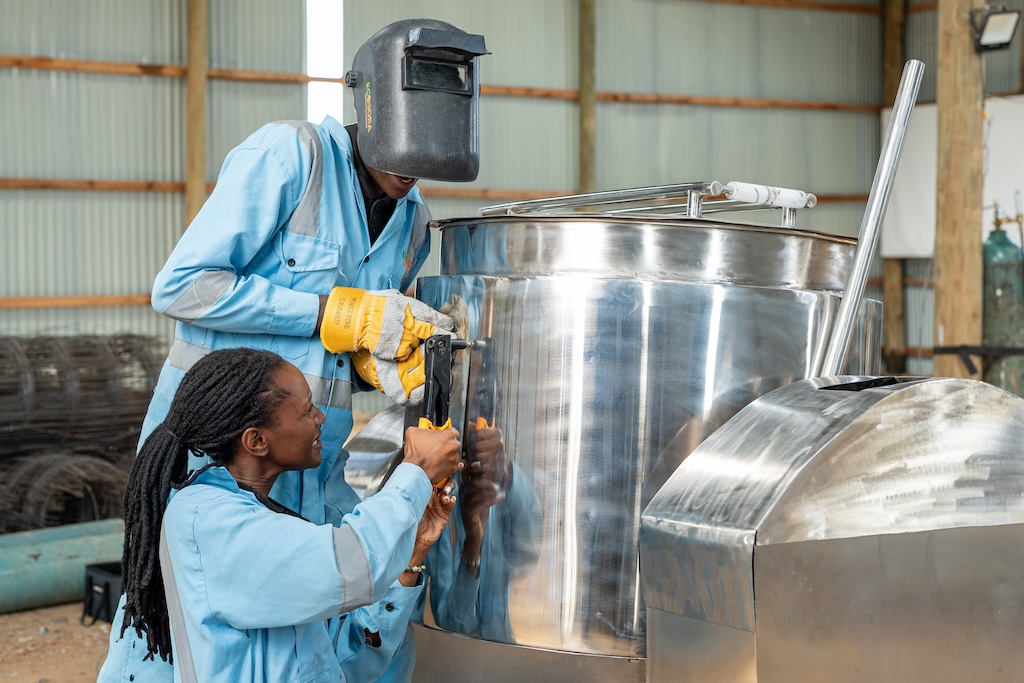
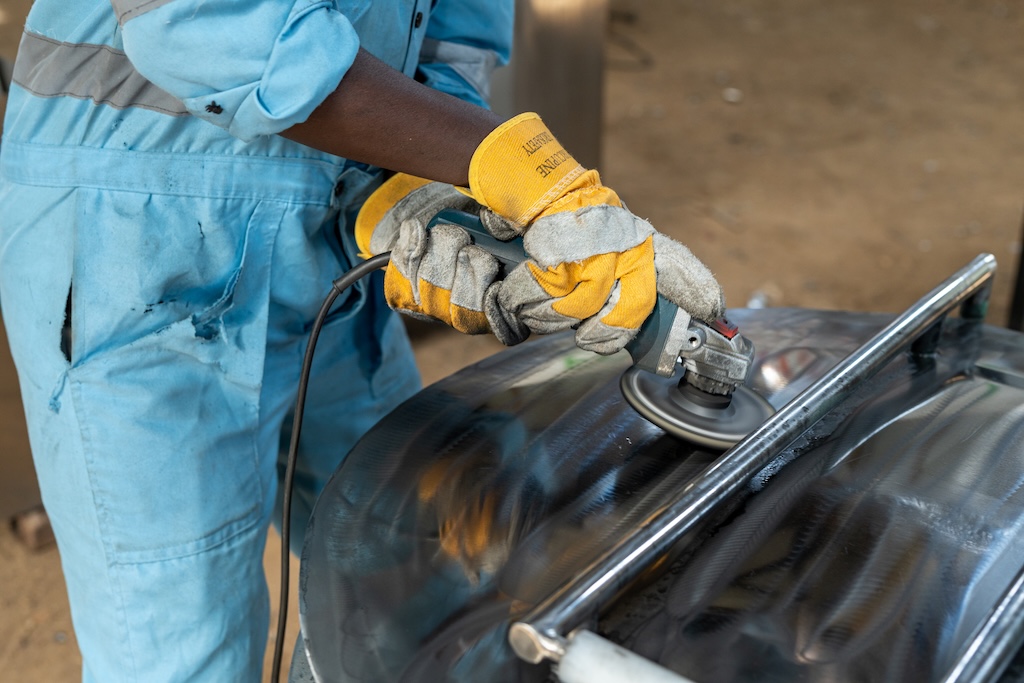
The second skills training is a Stainless Steel Welding pilot, which trains young people in welding and fabrication skills needed to manufacture improved cookstoves, cleaner, safer alternatives to biomass options used in institutions and homes across Kenya.
Designed with industry, backed by research
Both initiatives are designed in close partnership with industry, training institutions, development partners, and the government to ensure that the skills being taught reflect what employers actually need. These projects respond to recommendations from a joint research report by Efficiency for Access and Dalberg, which shows strong job potential in Kenya’s growing solar irrigation sector, and Efficiency for Access’ Green Jobs for Rural Youth report, which finds that the clean energy transition can generate substantial mid-skill technical employment. Efficiency for Access’ 2024 Closing the Loop report further demonstrates that appliance repairability and durability are critical to both environmental sustainability and the creation of local green jobs.
A model for inclusive green growth
This recognition puts Kenya’s green jobs work on a global stage. These pilots offer a model for strengthening youth employment that simultaneously helps expand access to clean energy, addressing two challenges with one impactful solution. By strengthening the pipeline of skilled workers in these sectors, these initiatives support the growth of the clean cooking and productive appliance markets in Kenya. This means stronger local market ecosystems, more accessible technologies, and more resilient supply chains. The result is more inclusive green economic growth in Kenya that reaches those who need it most.
Looking ahead
At the Skills CoLab, Efficiency for Access looks forward to exchanging ideas with skills programmes from around the world and bringing those lessons back to strengthen youth employment in Kenya and beyond.