Solar Cold Rooms Can Cut India’s Crop Losses. Keeping Them Full Is the Hard Part
What a national convention and two state workshops taught us about making solar powered cold storage work in India
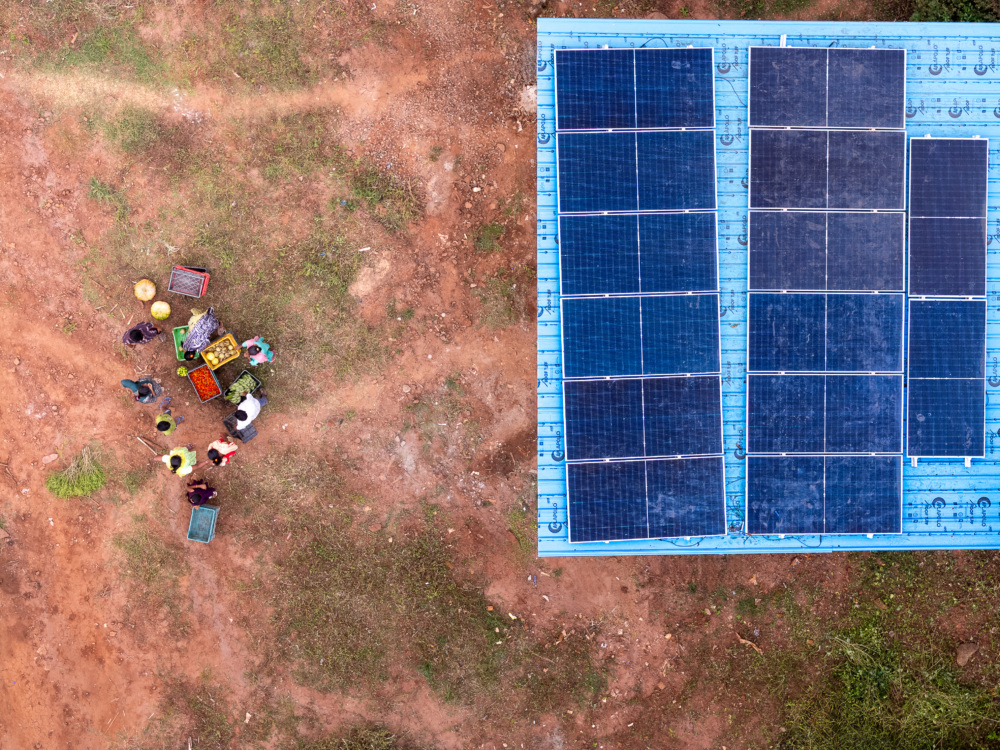
India loses an estimated 4.87-15.05% of fruits and vegetables along the supply chain, with annual post-harvest losses across agriculture estimated at around USD 18.5 billion. Solar-powered cold storage can help cut that figure. But installing a cold room is not enough. To support rural livelihoods and local economies, it has to respond to local demand, plug into an existing value chain, and run as a viable business.
In June 2026, CLASP, through Efficiency for Access, hosted a national convention in New Delhi, bringing together policy makers, entrepreneurs, farmers, and other value chain actors to explore how cold storage units can improve rural livelihoods and reduce post-harvest loss in India, followed by workshops in Odisha and Himachal Pradesh.
At the national convention and the state workshops, people kept coming back to one point. A cold room only works if people need it and use it all year. Getting there takes work at both levels.
What the national convention found:
At the national convention, government agencies, banks and companies in the room focused on the bigger picture: how cold rooms are planned, funded and supported.
- Technology exists, but it doesn’t always reach the right customer. The discussion kept coming back to a recurring gap. In many cases, no one had identified who the beneficiaries were or whether there was enough demand to make a cold room worthwhile for farmers and other value chain actors.
- Most deployments so far have been planned without a business and utilization plan. An Efficiency for Access (E4A) and National Institute of Solar Energy (NISE) upcoming report shows that agricultural production, commodity flows, harvest periods, market structures, financing conditions and user needs vary between states and even between clusters within one state, so what works in one place can fail in the next. Mapping production, seasonality, and potential customers at the cluster-level helps procurement agencies choose sites that can succeed.

What the state workshops found:
After the convention, CLASP hosted workshops in the Indian states of Odisha and Himachal Pradesh, where farmers, farmer producer organizations (FPOs), local officials and businesses explored how cold chain storage could look like within their own agricultural value chains.
In Odisha, the emphasis was on understanding what’s being grown, how much, when and who would potentially use cold storage. Participants said it’s important to study each site before installing a cold room, to check that there’s enough demand, a mix of crops to store, the right size of facility, and someone who can run it as a business
In Himachal, the conversation centered on demand for seasonal fruits such as apples and kiwis. Demand for cold storage spikes at harvest and then disappears for the rest of the year, leaving the asset severely underused. Participants said installing equipment isn’t enough. To work at scale, cold rooms need to be part of a wider business that also processes and collects produce and has buyers lined up, so they stay in use and earn steady money all year.
Five steps to fuller cold rooms
Across the convention and the workshops, the message was clear. A cold room is only as good as the thinking that goes into where it’s placed and who it serves. Five steps can help make that happen:
- Assess demand and market opportunities before deployment. Understanding production, seasonality, storage needs, and potential customers at the cluster level help procurement agencies choose sites with a better chance of success.
- Link cold storage to the market from day one. Connect farmers, farmer producer organizations, operators, buyers, and aggregators early so supply and demand stay steady.
- Provide support after installation. Where deployment is subsidized, outside support from an operator or NGO for at least two to four seasons helps owners learn to run cold storage as part of their business and cuts post-harvest loss.
- Design for multiple commodities and uses. Multi-commodity storage, processing, aggregation, and other value-added services can extend use beyond peak harvest periods.
- Build financing that fits the business. Farmers said current financing is one-size-fits-all and doesn’t reflect ground realities. Good financing, whether through banks or Non-Banking Financial Company (NBFC) should account for seasonality, revenue cycles based on expected use, and the time a cold storage owner needs to build stable links within the local value chain. Philanthropies or governments could also fund a risk mitigation mechanism to help financing scale.
What’s next: a framework for the next deployments
CLASP is now conducting cluster-level demand assessments in Maharashtra, Tamil Nadu, Assam and Meghalaya, building on solar pilots with small businesses in Assam and Meghalaya to find where cold storage can make the biggest difference. The aim is to develop a common framework that procurement agencies can use before buying and installing cold storage units. The findings will inform help state energy and agriculture departments plan where to install cold rooms next.
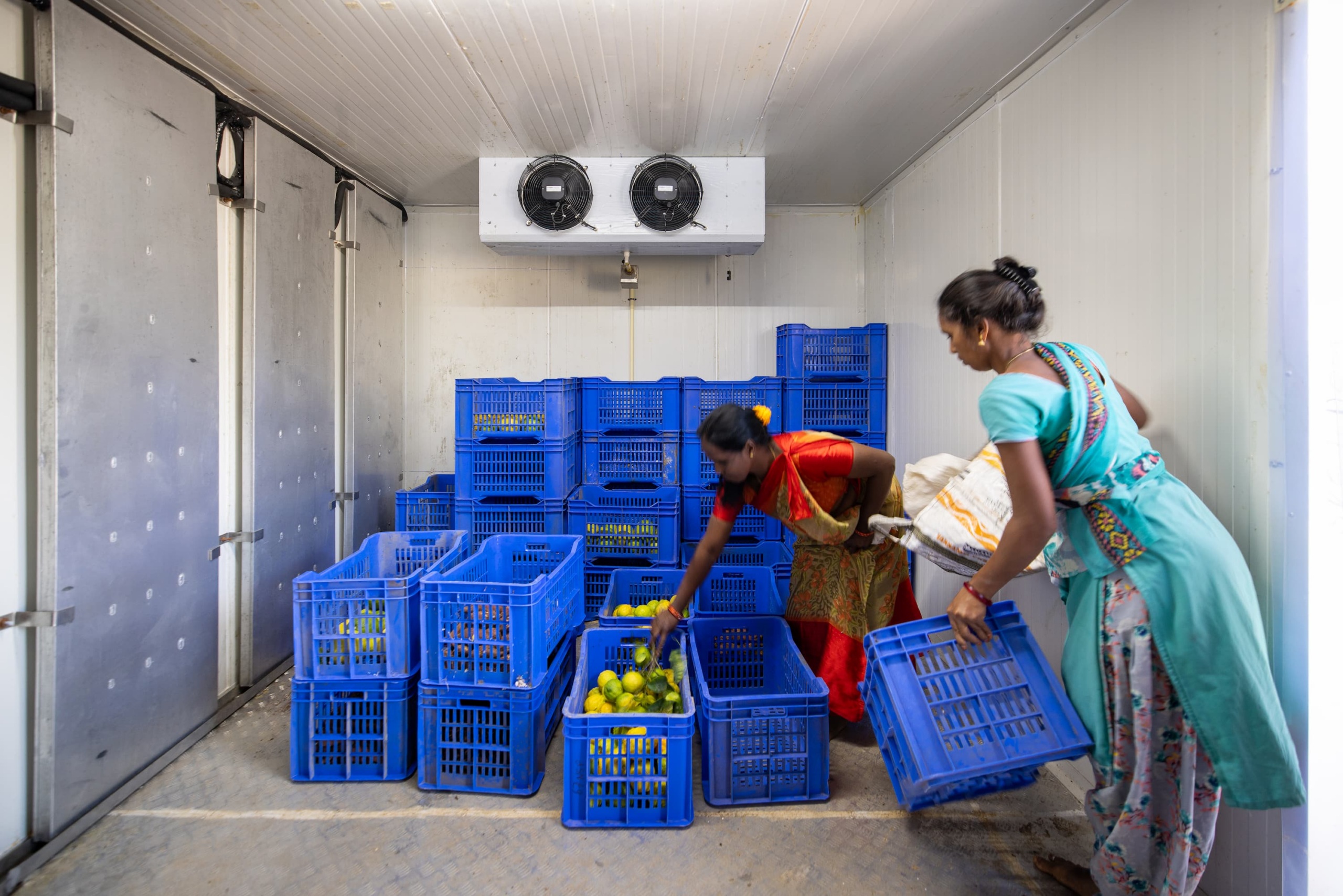
Quality is improving too. With VeraSol’s support, a new global standard now sets out how to test refrigerators built for off-grid and unreliable power.
Efficiency for Access helps bring solar cold storage to the farmers, traders and small businesses who rely on it, so more food reaches the market and more income stays local. That work spans Africa and Asia, from cold chain research in Kenya and Nigeria to cold rooms already running at Nairobi’s City Park Market and in Homa Bay in western Kenya. Both point to the same lesson as India. Cold rooms succeed when they’re planned around the people who use them.