Efficient Appliances are the Key to Unlock Africa’s Projected $1 Trillion Agribusiness Sector
While at the Africa Food Systems Forum in Kigali, Rwanda, CLASP's Senior Director for Africa, Emmanuel Aziebor, made the case to leaders from across the continent's food and agriculture sector that unlocking Africa's projected $1 trillion agribusiness sector will require more than capital.
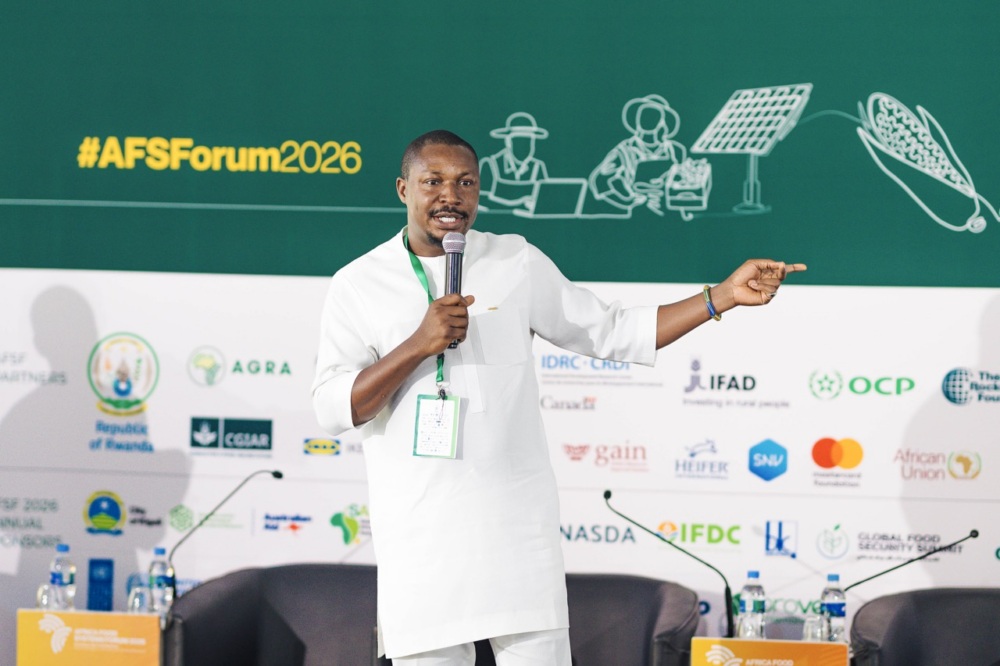
At the Africa Food Systems Forum in Kigali earlier this September, Efficiency for Access made its case for a piece of the agriculture investment conversation that usually gets left out: efficient appliances and equipment. Representing Efficiency for Access, CLASP’s Senior Director for the Africa program, Emmanuel Aziebor, took the stage to argue that the continent’s trillion-dollar agribusiness ambitions won’t happen without it. He was one of five speakers at Bright Lights Innovation Hub’s event, Reimagining Private Sector Investment in Agri-Food Systems.

At the opening of his speech, Aziebor showed a photo of the women of Naanyu Dupoto, a farming cooperative in Kajiado, Kenya and a beneficiary of Efficiency for Access’ PURE Demonstrator grant, celebrating a good watermelon harvest. He argued that while farmers need capital, power, and land, they also need something very few people are talking about: energy-efficient equipment. Naanyu Dupoto serves as a powerful example of Aziebor’s claim. When Naanyu Dupoto acquired a solar-powered irrigation system and partnered with the county government, the group experienced an increase in their acreage, income, and local jobs. The equipment was the missing piece that helped bring together a decade of building and working.
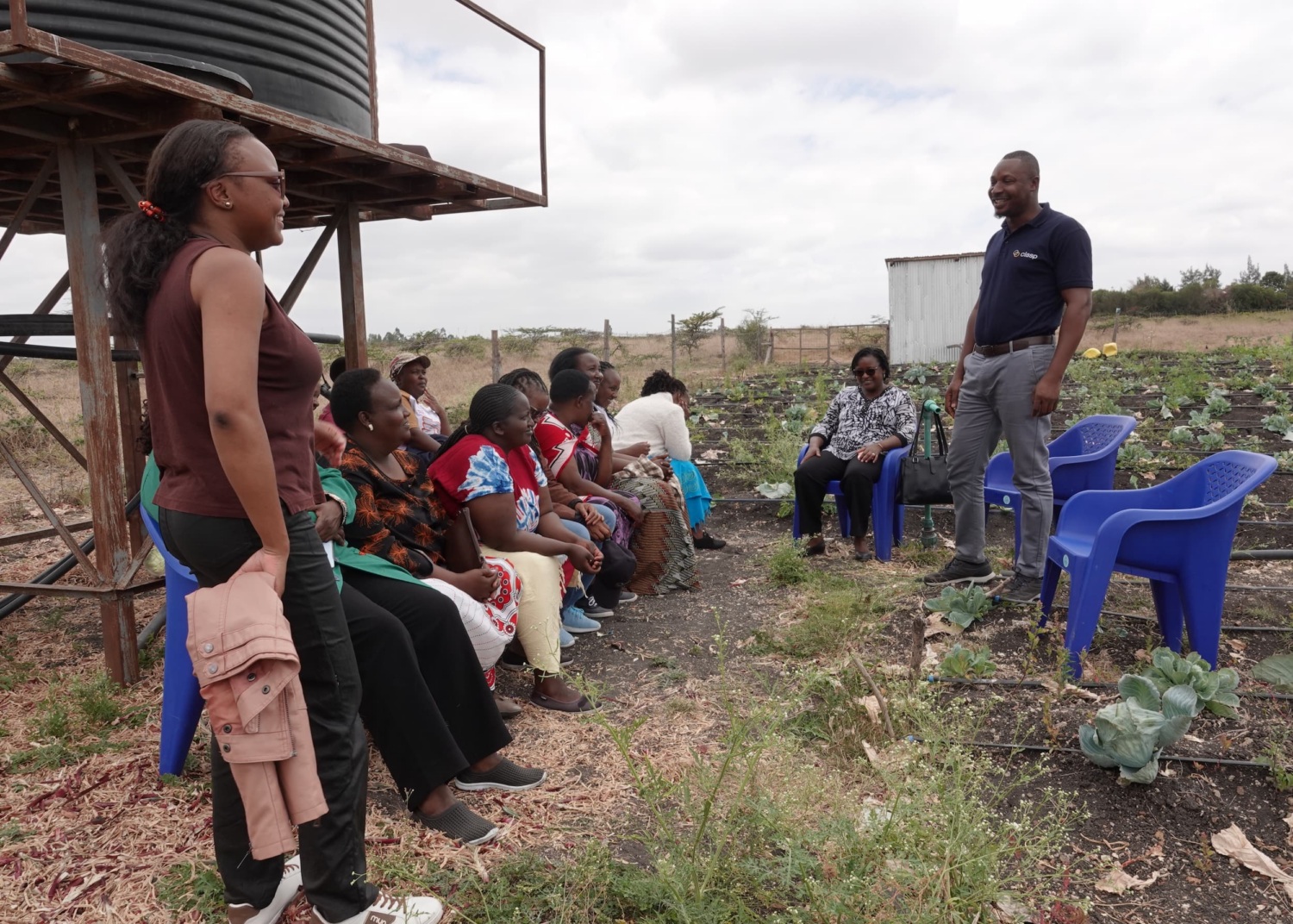
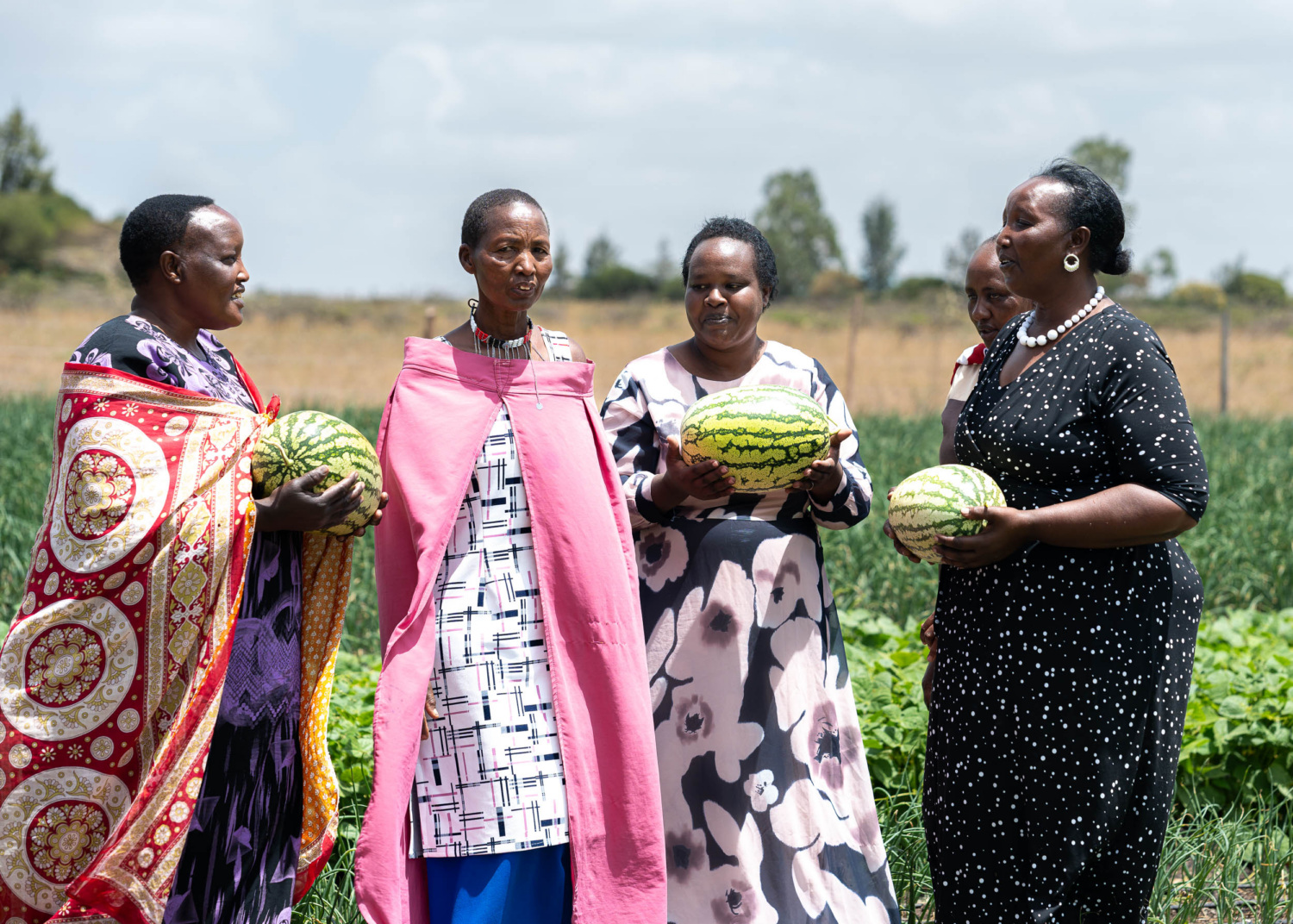
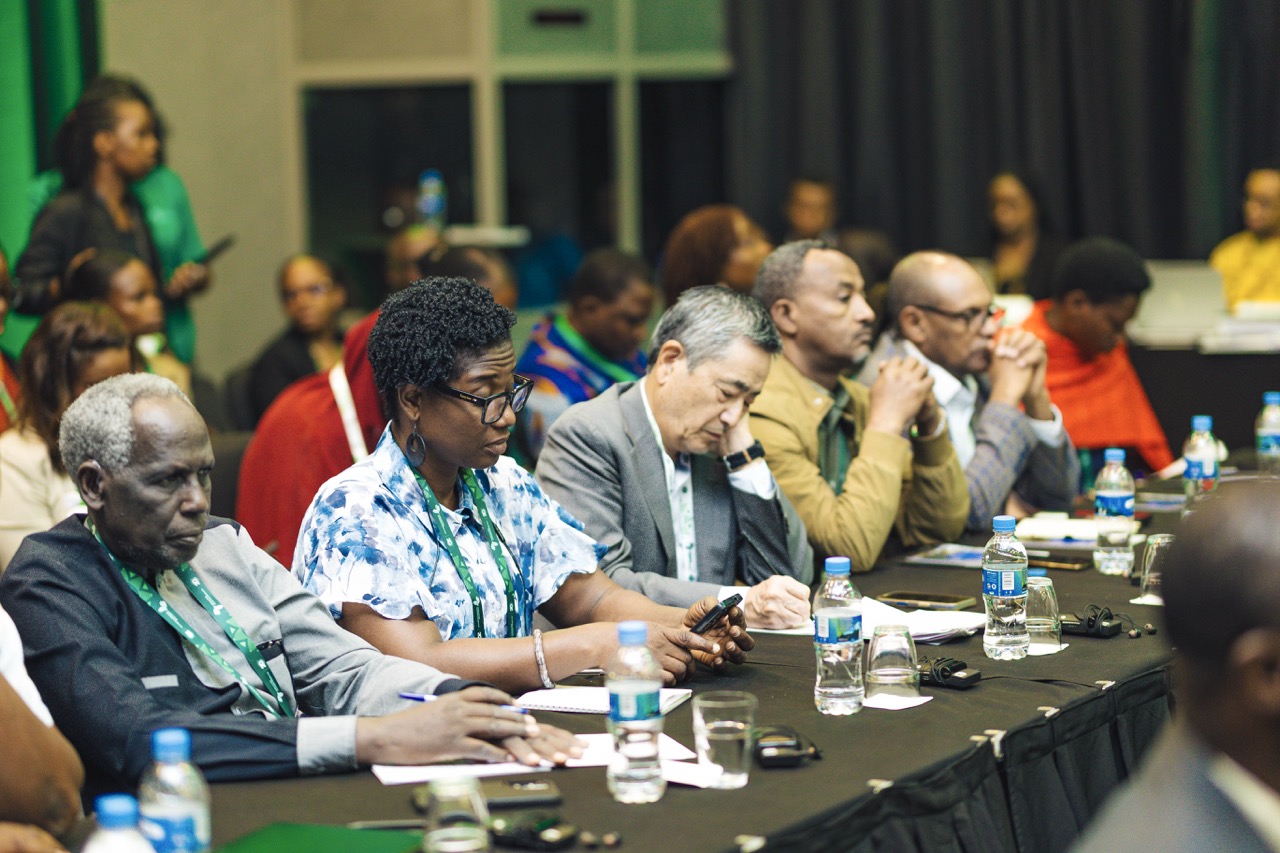
There were four other speakers at the Bright Lights event who spoke about capacity building, aquaponics, conservation, and nutrition science. While all the speakers from across organizations covered different aspects of the food production system, Aziebor’s argument made a case for what gets all of it into a farmer’s hands. His argument, told through Naanyu Dupoto’s story, struck a chord with people in a way that statistics alone don’t, highlighting that when we put people at the center of our stories, listeners connect.
Aziebor’s message reached beyond the Africa Food Systems Forum that week: an op-ed for Kenya’s Daily Nation, plus interviews on CGTN, farm radio, and the AFSF podcast. It was the same argument for different audiences, serving as a deliberate push to get the message in front of as many people as possible, because the case only works if it reaches the people who can respond and act on it.
“What the sector needs is investment models where this infrastructure is built in from the start. The data backs this up. More than 16,000 solar refrigerators, water pumps, and milling equipment were delivered to 58,000 households in Africa. The result? Farmers producing more, losing less, and earning more. This is what growing jobs, building resilience, and adding value actually looks like.”
While almost all of the pieces are in place in regions like Kajiado County where Naanyu Dupoto is—the money, the access to electricity, the land, the natural resources—the access to equipment is still missing. When all these pieces come together, with equipment as the key to unlock the whole system, that potential turns into jobs, income, and opportunity. That’s the gap that Efficiency for Access works to close, helping make efficient appliances more affordable, trustworthy, and easier to reach the people who need them, so the next Naanyu Dupoto doesn’t have to wait a decade for the last missing piece.
Watch the interview with Emmanuel Aziebor on CGTN: